Danish Coastline Grapples with Spate of Whale Deaths and Ethical Dilemmas
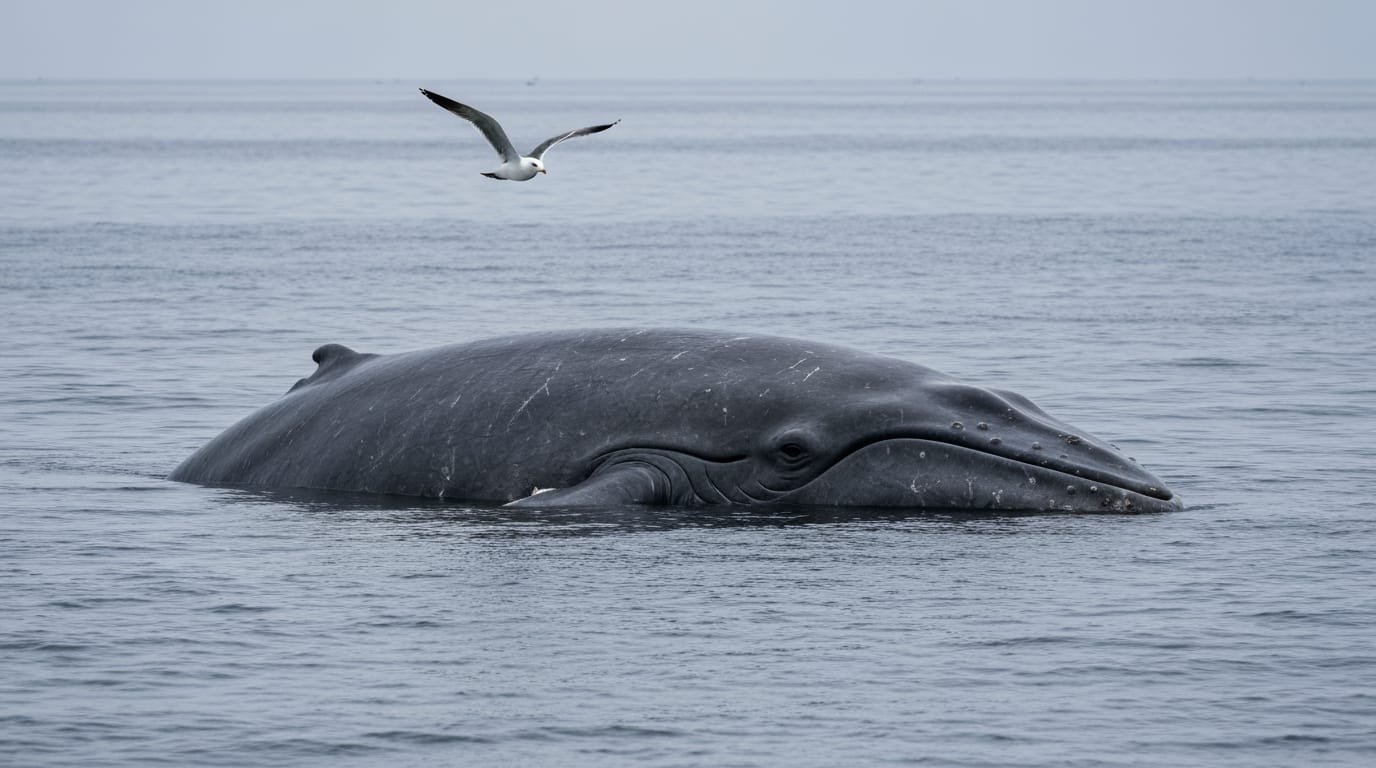
Denmark's coastal waters have recently become the somber stage for a series of whale strandings and deaths, highlighting both the increasing challenges faced by marine life and the complex ethical questions surrounding human intervention. A troubling pattern of incidents, including multiple sperm whale deaths in February and the widely publicized plight of a humpback whale named "Timmy" in May, has drawn significant attention to the fragile balance between marine conservation and the natural, often harsh, realities of the ocean.
A Troubling Trend in Danish Waters
The early months of 2026 saw an unusual number of sperm whale strandings along Denmark's North Sea coast. In February alone, a total of six sperm whales perished after becoming trapped in the shallow waters off the island of Fanø and the Skallingen peninsula. Authorities discovered four of the massive mammals on a Friday, with two more found the following day, ultimately confirming all had died. These incidents followed two earlier sperm whale strandings in the same month: a 13.7-meter-long whale found dead in North Jutland on February 1st, and another discovered days later near Esbjerg.
Experts from the Danish Environmental Protection Agency suggested that these young male sperm whales likely became disoriented while migrating from their Arctic feeding grounds towards warmer areas south of England, inadvertently entering the treacherous, shallower North Sea waters. Such navigation errors often prove fatal for these deep-diving creatures, unaccustomed to constricted environments. In the aftermath of the Fanø strandings, authorities took the unusual step of sawing off the jawbones from the deceased whales. These were subsequently sent to the University of Copenhagen for scientific analysis, a critical step in understanding the causes of stranding and the health of these populations. The collection also served a practical purpose: to deter potential theft, as parts of a sperm whale's jaw had been stolen earlier in the month following another stranding in Jutland.
The Plight of "Timmy": A Controversial Rescue Effort
Adding to the series of marine incidents, the story of "Timmy," a humpback whale that had been stranded off Germany's Baltic coast since March, reached a critical and ultimately tragic juncture in early May. After weeks of deteriorating health and multiple unsuccessful attempts to coax it into deeper waters, a controversial, privately funded rescue operation was launched to transport the whale to the North Sea. Estimated to cost approximately €1.5 million, the ambitious plan involved moving the whale in a water-filled barge from Germany towards Danish waters.
However, the rescue was fraught with challenges and criticism. Many marine experts expressed serious doubts about the whale's chances of survival, arguing that it was too weak from prolonged stranding and skin ailments caused by the Baltic's low salinity. Concerns were also raised about the immense stress the transport would place on an already ailing animal. Despite these warnings, Timmy was released into the North Sea off Denmark on May 2nd. Tragically, experts from the German Oceanographic Museum now believe it is "highly likely" that Timmy has died, citing the whale's extremely weakened state and the failure of a fitted GPS tracker to transmit vital data. The lack of information from the tracker and the overall handling of the operation have led to calls for greater transparency and accountability from the privately funded rescue team.
Denmark's Evolving Approach to Stranded Whales
The repeated incidents, particularly the high-profile nature of Timmy's rescue, have brought Denmark's policy on stranded whales into sharper focus. The Danish Environmental Protection Agency has an updated guideline that advises against intervening with large stranded whales, preferring to let nature take its course. This policy stems from the belief that attempts to euthanize or refloat large whales are often neither ethical nor safe, and can cause additional stress to an already suffering animal.
A notable case supporting this approach occurred in 2022, when a killer whale (orca) stranded in the shallow Limfjord for an extended period. Despite initial concerns and considerations of euthanasia, the orca eventually regained its strength and swam back to sea, confirming that non-intervention can sometimes lead to surprising natural recoveries. Danish authorities reiterated this stance regarding Timmy, stating they would not intervene if the humpback whale stranded again on their coast. This position, while rooted in a respect for natural processes and an understanding of the limited success of many interventions, often clashes with public sentiment and the emotional desire to save distressed animals. The debate highlights the complex balance between animal welfare, scientific understanding, and the practical challenges of managing such large marine creatures in crisis.
The Ecological Legacy of Whale Falls
While individual whale deaths are undoubtedly tragic, especially when human activity might be a contributing factor, these events also serve as a powerful reminder of the broader ecological significance of whale falls. When a whale carcass sinks to the ocean floor, it creates a unique and nutrient-rich habitat that can sustain a diverse array of deep-sea organisms for decades, sometimes even for over 50 years. This process, known as "whale fall," is crucial for marine biodiversity, providing food for scavengers like sharks and crabs, and forming the foundation for chemosynthetic ecosystems where specialized organisms thrive on the decomposition of bones.
Beyond supporting deep-sea life, whale carcasses also play a vital role in the global carbon cycle. By sinking to the ocean floor, they sequester vast amounts of carbon, preventing it from returning to the atmosphere as carbon dioxide and thus contributing to climate change mitigation. A single large whale can sequester up to 30 tonnes of carbon over several decades. On land, stranded whales, like the seven-meter-long humpback found dead in Djursland in April 2025, or the fin whale that attracted tourists in North Jutland in 2016, also enrich coastal environments by providing essential nutrients and food for scavengers. The reduction in global whale populations due to historical whaling has significantly decreased the frequency of these ecologically vital whale falls, underscoring the importance of every whale in maintaining healthy ocean ecosystems.
The recent surge in whale strandings off Denmark underscores the persistent challenges marine life faces in an increasingly human-impacted world. From the mysterious disorientation of sperm whales to the contentious rescue of Timmy the humpback, these events provoke both public fascination and scientific inquiry. While each stranding presents a unique set of circumstances, Denmark's evolving approach leans towards allowing natural processes to unfold, balancing the impulse to intervene with the ecological realities and the long-term health of marine environments. The ultimate fate of these majestic creatures, whether through natural decomposition or human-led efforts, continues to highlight their profound and multifaceted role within the world's oceans.


