Deadly Hantavirus Outbreak Strikes Atlantic Cruise Ship, Claims Three Lives
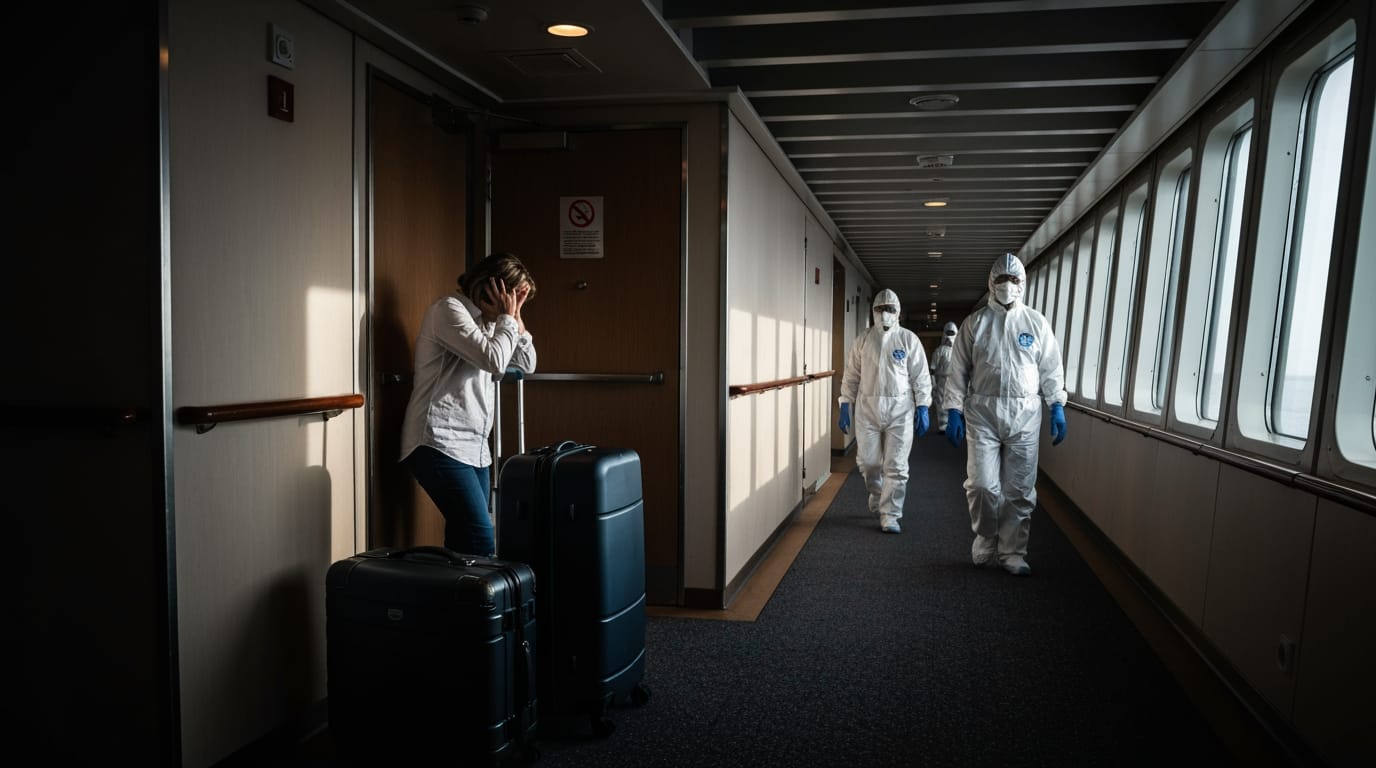
A suspected hantavirus outbreak aboard an international cruise ship navigating the Atlantic Ocean has led to the deaths of three individuals, with several more falling ill, the World Health Organization (WHO) confirmed this week. The alarming incident unfolded on the MV Hondius, a Dutch-flagged vessel, prompting an urgent international public health response as medical authorities grapple with the rare and often severe rodent-borne illness in a maritime setting. The fatalities underscore the critical need for swift action and rigorous epidemiological investigation into the source and potential spread of the virus.
The Voyage Plunges into Crisis
The MV Hondius, operated by Oceanwide Expeditions, departed Ushuaia, Argentina, three weeks ago for a journey across the Atlantic, including stops in Antarctica, the Falkland Islands, St Helena, and other remote locations, with its ultimate destination being the Canary Islands. The first signs of trouble emerged when passengers began exhibiting symptoms consistent with severe respiratory illness. Among the initial casualties was a 70-year-old male passenger who succumbed to his illness on board, his body remaining on the British territory of Saint Helena. His 69-year-old wife also fell critically ill during the voyage, subsequently being medically evacuated to Johannesburg, South Africa, where she later died in a hospital. Reports indicate this couple was Dutch. A third individual, a 69-year-old British passenger, was also evacuated to Johannesburg and is currently in intensive care in a South African hospital, while some initial reports suggested this third fatality was still onboard the ship. In total, six individuals have been identified as affected, with one case laboratory-confirmed as hantavirus infection and five others classified as suspected cases.
Understanding the Hantavirus Threat
Hantavirus refers to a family of viruses primarily transmitted to humans through contact with infected rodents, or their urine, feces, and saliva. Infection most commonly occurs when individuals inhale aerosolized particles from dried rodent waste. While relatively rare, hantavirus infections can cause severe and life-threatening conditions. The most common form in the Americas is Hantavirus Pulmonary Syndrome (HPS), characterized by rapidly progressing respiratory distress that can lead to lung and heart failure.
Initial symptoms often mimic the flu, including fever, chills, muscle aches, headaches, nausea, vomiting, and abdominal pain. However, these symptoms can quickly escalate to severe breathing difficulties, coughing, and chest tightness as fluid accumulates in the lungs. The incubation period for hantavirus can range from one to eight weeks, complicating early diagnosis as initial signs are easily mistaken for other common illnesses. There is currently no specific vaccine or antiviral cure for hantavirus, making supportive medical care, often involving oxygen therapy and fluid management, the primary treatment approach. Early medical intervention significantly improves the chances of survival.
Cruise Ship Protocols and Public Health Coordination
The World Health Organization has taken an active role in coordinating the international response to the outbreak. WHO Director-General Tedros Adhanom Ghebreyesus announced that the agency is working closely with the ship's operators and affected member states to facilitate medical evacuations, conduct thorough risk assessments, and provide support to remaining passengers and crew. This multi-country coordination is critical, as the MV Hondius had embarked on an extensive journey, potentially exposing individuals from various nationalities. At one point, Cape Verdean authorities had not yet authorized the disembarkation of sick passengers for medical care, leading to complex logistical challenges for the ship and medical teams.
Investigations are ongoing to pinpoint the exact source of the infection. While hantavirus is typically linked to environmental exposure to rodents, the WHO acknowledges that human-to-human transmission, though rare, is possible. Some strains, like the Andes virus, are known to have limited person-to-person spread. The ongoing investigation includes further laboratory testing and epidemiological studies, with virus sequencing underway to better understand the specific hantavirus strain involved and its transmission characteristics.
Broader Implications for Travel and Safety
This tragic event highlights the persistent public health challenges that can arise even in modern travel environments. While outbreaks of this nature are exceedingly rare on cruise ships, the incident on the MV Hondius serves as a stark reminder of the importance of robust health and safety protocols across all modes of international transportation. Preventing hantavirus primarily involves minimizing exposure to rodents, which typically means strict rodent control measures in living and working environments. For cruise operators, this necessitates vigilant pest control and sanitation practices, particularly in areas where rodents could potentially access the vessel, such as during port calls in diverse geographic regions.
The suspected outbreak may prompt increased scrutiny of health emergency preparedness within the cruise industry and could influence traveler confidence. Passengers are generally advised to practice good hygiene and be aware of health advisories when traveling. The long incubation period of hantavirus, coupled with its non-specific initial symptoms, poses diagnostic challenges that can delay treatment and containment efforts. This incident underscores the need for rapid diagnostic capabilities and coordinated international health responses to manage potential outbreaks effectively and protect global public health.