Deadly Weekend Bloodshed: Ten Killed in Township Shooting Near Johannesburg
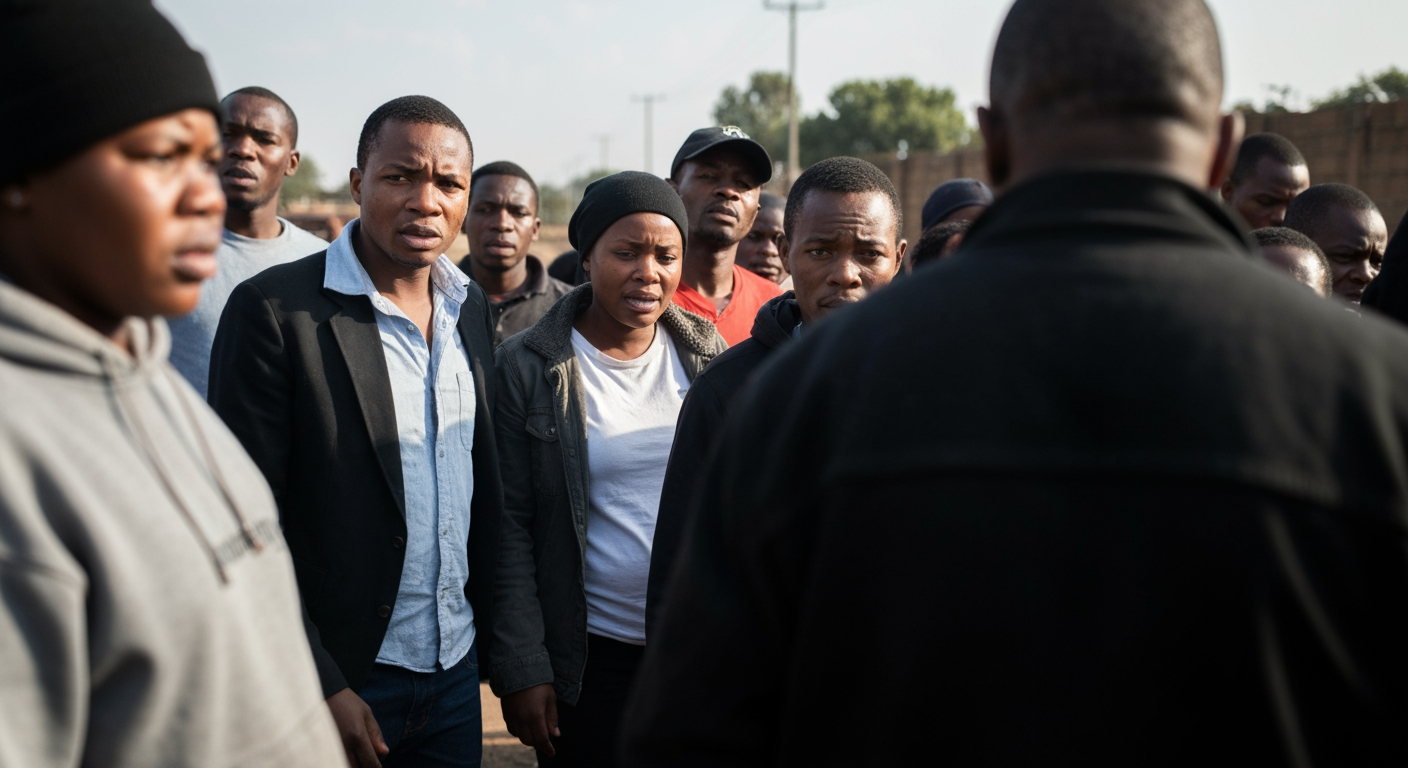
JOHANNESBURG – A brutal act of violence unfolded in a township near Johannesburg on Sunday, December 21, 2025, as unknown gunmen opened fire, killing at least 10 people and wounding 10 others. The brazen attack, which saw some victims randomly shot in the streets, has sent shockwaves through the community of Bekkersdal, a mere 40 kilometers southwest of South Africa's economic hub. Police have launched a manhunt for the perpetrators, but as of Sunday, the motive behind the senseless killings remains elusive, underscoring the persistent and alarming challenge of gun violence plaguing the nation.
The Bekkersdal Tragedy Unfolds
The silence of a Sunday morning was shattered in Bekkersdal as residents awoke to the grim aftermath of a mass shooting. Reports from local media, citing police statements, indicated that an unspecified number of assailants targeted individuals indiscriminately, leaving a trail of death and injury. Ten individuals were confirmed dead at the scene or shortly thereafter, with an additional 10 suffering wounds, some severe enough to require hospitalization. The police spokesperson confirmed the incident, stating that the motive was unknown, a common and frustrating refrain in many of South Africa's mass shooting investigations. The rapid escalation of the event, with victims reportedly shot at random, highlights the terrifying and unpredictable nature of such attacks on civilian populations. This incident marks another dark entry in a long list of mass casualty events that have become a distressing feature of South Africa's crime landscape.
A Nation Grappling with Persistent Gun Violence
The Bekkersdal shooting is not an isolated incident but rather a stark reminder of South Africa's severe and entrenched gun violence crisis. The country consistently ranks among the highest in the world for homicide rates, with firearms being the predominant instrument of death. Police data from October to December 2024 revealed that 42% of murders and 58% of attempted murders involved firearms. Between 2021-22 and 2022-23, gun-related murders saw a staggering 35% increase, rising from an average of 23 people shot dead daily to 31. More recent figures indicate that between July and September, an average of 34 people were shot dead each day.
Mass shootings, defined by South African police as incidents where three or more people are shot with a firearm, have become an embedded feature of violence, frequently occurring in taverns, shebeens (unlicensed bars), or private homes. Just weeks prior to the Bekkersdal tragedy, a mass shooting at an illegal bar near Pretoria on December 6, 2025, claimed 11 lives, including three children aged 3, 12, and 16, and wounded 14 others. In May 2025, eight people were gunned down in a tavern in Durban. These incidents follow a disturbing pattern, with previous years recording similar horrors, such as the killing of 16 people at a Soweto tavern in 2022, and the murder of 18 people in Lusikisiki in September 2024. The easy availability of firearms, both legal and illegal, is often cited as a critical factor enabling these high rates of violence.
The Elusive Pursuit of Justice: Challenges for Law Enforcement
The ongoing investigation into the Bekkersdal shooting highlights the formidable challenges faced by the South African Police Service (SAPS) in combating these crimes. With "unknown gunmen" as the perpetrators and an unclear motive, the task of bringing those responsible to justice is particularly arduous. This scenario is unfortunately common in mass shooting cases across the country.
Despite relatively strict gun ownership laws, authorities acknowledge the significant problem of illegal, unregistered firearms circulating freely. Many illegal firearms are believed to originate from legal sources, leaking into criminal markets through theft, loss, or corruption. The ability of criminals to wield such destructive power undermines the state's authority and perpetuates a cycle of fear. Police resources are often stretched thin, and there are concerns about a lack of proactive analysis of crimes by detectives and a disconnect between policing and the communities they serve. Political parties, such as the Democratic Alliance (DA), have voiced concerns regarding instability within SAPS and leadership failures that hinder effective crime-fighting efforts.
Communities Under Siege: A Call for Action
The human cost of this pervasive violence is immeasurable, leaving communities like Bekkersdal gripped by fear and mourning. The repeated occurrence of mass shootings instills a sense of insecurity among citizens, who routinely wake up to news of further bloodshed. Community policing forums and local residents frequently call for increased police presence, stop-and-search operations, and the removal of firearms from their streets.
Organizations like Gun Free South Africa have consistently expressed deep concern over the escalating gun-related crime and a perceived lack of attention to the gun violence epidemic. They emphasize that firearms are "crime enablers and violence multipliers" that contribute massively to deaths, injuries, and fear. Experts and activists advocate for a comprehensive, integrated strategy to reduce firearm crime, focusing not only on recovering illegal guns but also addressing underlying issues like gang violence, organized crime, and disputes over resources. The devastating impact on victims, who often require extensive medical care, also places an enormous burden on the healthcare system.
Conclusion: An Urgent Plea for Lasting Solutions
The tragedy in Bekkersdal stands as a grim testament to South Africa's ongoing struggle with endemic gun violence. The loss of 10 lives and the injury of 10 others by unknown gunmen add to a mounting death toll that reflects a deeply rooted societal problem. While police investigations are underway, the lack of immediate answers regarding motive and perpetrators mirrors the broader challenges faced by law enforcement across the nation.
The constant threat of random violence, fueled by the circulation of illegal firearms and often linked to gang rivalries or other illicit activities, continues to erode public safety and community trust. As South Africa grapples with the aftermath of yet another mass shooting, there is an urgent and pressing need for sustained, multi-faceted interventions. These include more effective policing strategies, better intelligence gathering, and comprehensive efforts to disarm criminals and address the socio-economic factors that contribute to the proliferation of gun violence. Without decisive action, the cycle of bloodshed, fear, and unresolved justice is likely to persist, further destabilizing communities and deepening the national crisis.
Related Articles

Ratko Mladić, "Butcher of Bosnia" and Convicted War Criminal, Dies at 84
THE HAGUE, Netherlands – Ratko Mladić, the former Bosnian Serb military commander known as the "Butcher of Bosnia" and convicted of genocide, war crimes, and crimes against humanity, has died at the age of 84. Serbian...

Long-Awaited 9/11 Mastermind Trial Set for 2028, Decades After Attacks
GUANTANAMO BAY, Cuba – Nearly a quarter-century after the devastating terror attacks of September 11, 2001, a military judge has finally set a trial date for Khalid Sheikh Mohammed, the alleged mastermind behind the...