Democratic Republic of Congo Joins U.S. Third-Country Deportation Network Amidst Rising Scrutiny
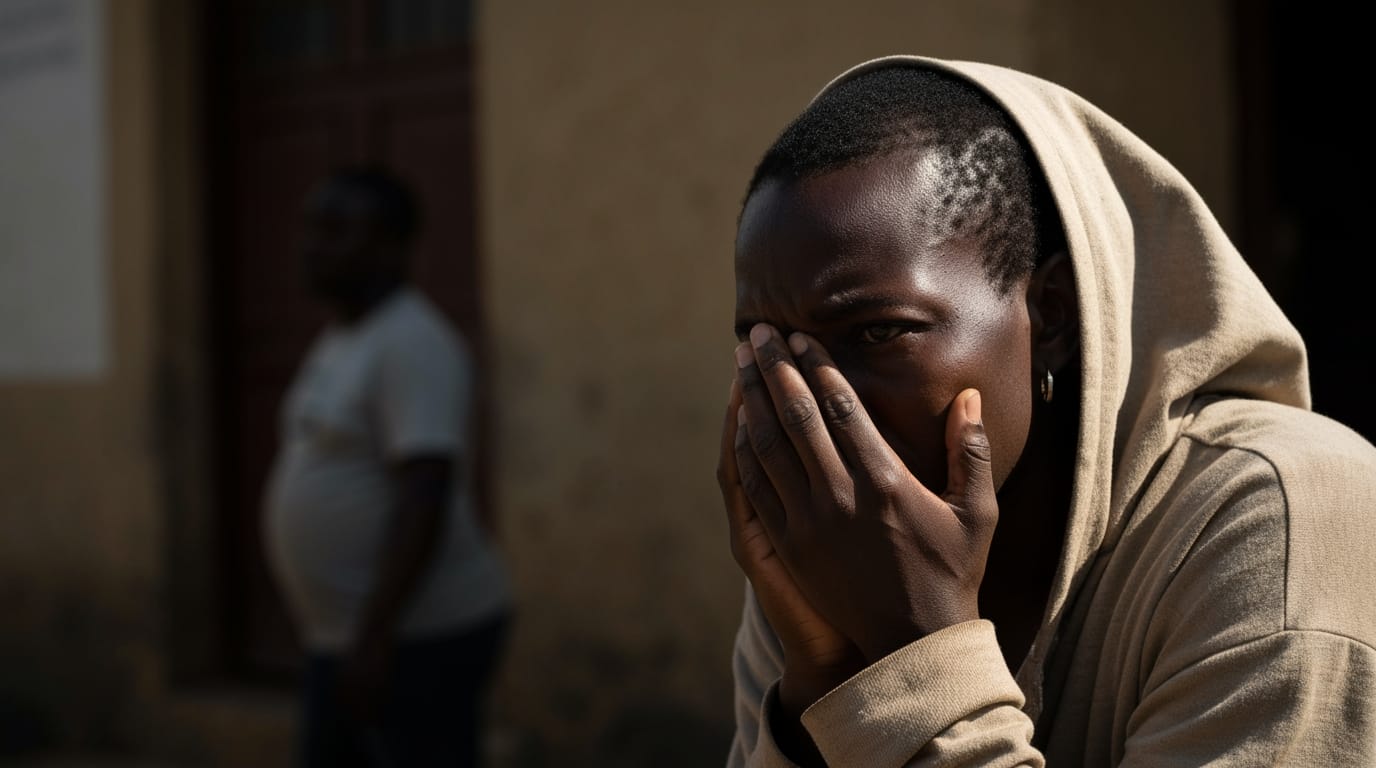
KINSHASA, Democratic Republic of Congo – The Democratic Republic of Congo (DRC) has officially joined a growing list of nations agreeing to accept non-citizen migrants deported by the United States, a move announced on April 5 and 6, 2026, by the Congolese government. This controversial agreement marks a significant expansion of the U.S. government's "third-country deportation" strategy, which aims to accelerate removals of migrants who cannot be repatriated to their countries of origin. While Kinshasa frames its participation as a commitment to international cooperation and humanitarian solidarity, the deal has ignited concerns among human rights advocates regarding the welfare and legal protections of those being transferred to a country often grappling with its own internal strife and humanitarian crises.
The new arrangement means the DRC will serve as a temporary reception destination for individuals deported from the United States who are not Congolese nationals, with the first arrivals anticipated as early as April 2026. The specifics of the agreement, including the exact number and nationalities of deportees, remain largely undisclosed, prompting calls for greater transparency from international observers.
A Strategic Shift in U.S. Immigration Enforcement
The United States, under the Trump administration, has increasingly relied on third-country deportations as a central pillar of its aggressive immigration enforcement agenda. This policy allows the U.S. to send individuals, who have been formally ordered deported, to a country that is neither their country of origin nor a nation where they held prior residency or citizenship. The primary motivation for this strategy, according to U.S. officials, is to reduce the number of migrants held in American detention facilities and to circumvent legal or practical impediments to direct repatriation to their home countries. This includes cases where migrants have received protection orders from U.S. immigration judges, preventing their return to countries where they face significant safety concerns.
The U.S. government views these agreements as a tool to accelerate migrant removals and streamline the deportation process. A report by Democratic staff on the Senate Foreign Relations Committee indicates that the U.S. has spent at least $40 million to deport approximately 300 migrants to various third countries globally. This financial outlay underscores the administration's commitment to expanding this network, often through quiet negotiations with limited public detail.
Kinshasa's Stated Commitments and Underlying Factors
For the Democratic Republic of Congo, the decision to participate in this U.S. deportation program comes with specific conditions and broader diplomatic considerations. The Congolese government has publicly stated that its acceptance of these deportees reflects its commitment to international cooperation and humanitarian responsibility. Crucially, Kinshasa emphasized that the United States will bear all logistical and financial costs associated with the program, ensuring no monetary burden falls on the DRC's public treasury. Designated temporary reception facilities are reportedly being prepared near the capital, Kinshasa, to accommodate the incoming individuals.
Furthermore, the DRC government has stipulated that the arrangement is temporary, does not entail automatic transfer or permanent residency provisions, and that each case will be subject to individual review under Congolese law and national security requirements.
Beyond stated humanitarian reasons, the agreement coincides with ongoing diplomatic and economic discussions between Washington and Kinshasa. These talks reportedly involve U.S. efforts to support a peace agreement between the DRC and Rwanda and to secure access to Congolese critical minerals, suggesting a multifaceted relationship influencing the migration deal. This intricate web of interests highlights how immigration policy is increasingly intertwined with broader international relations and economic objectives.
Alarms Raised by Human Rights Advocates
The expansion of the third-country deportation program to include the DRC has drawn sharp criticism from human rights organizations and legal experts. Concerns are centered on the legal basis of such arrangements and, critically, the potential risks to the deportees themselves. Critics argue that deporting individuals to countries where they hold no nationality can strip away fragile protections that are meant to govern removals, potentially exposing them to uncertain living conditions and limited legal safeguards.
A primary concern is the risk of "refoulement," the prohibited practice under international law of returning individuals to a country where they would face persecution or torture. Many migrants targeted for third-country deportation have already demonstrated a credible fear of returning to their home countries, securing protection orders from U.S. courts. Advocates fear that by sending them to a third country, the U.S. may effectively be rerouting, rather than resolving, these protection concerns.
The DRC itself presents a complex environment for such a program. The country faces widespread armed conflict, intense violence, and a severe humanitarian crisis, with over 6.9 million internally displaced people as of late 2023. Human rights abuses, including arbitrary detention, sexual and gender-based violence, forced recruitment, and summary executions, have been documented. Furthermore, past reports have highlighted severe conditions in Congolese prisons, suggesting a risk of inhuman or degrading treatment for those detained. While the DRC government insists on individual case reviews, the opaque nature of the agreements and the potential for immediate detention raise serious questions about the fate of these vulnerable individuals.
A Growing African Network
The Democratic Republic of Congo is not the first African nation to enter into such an agreement with the United States. It joins a list that already includes Uganda, Ghana, Eswatini, Rwanda, Cameroon, Equatorial Guinea, and South Sudan. These deals, often characterized by significant U.S. financial incentives, have been criticized for a lack of transparency and for potentially pressuring African governments to participate. The Senate Foreign Relations Committee report revealed that the U.S. has paid millions to several of these nations, with costs per deportee sometimes exceeding $1 million.
The expansion of this network underscores a broader U.S. strategy to manage immigration flows by externalizing its borders and responsibilities. This approach shifts the logistical and humanitarian burden to other nations, many of which may lack the resources or robust legal frameworks to ensure adequate care and protection for deportees.
An Unfolding Chapter in Global Migration
The agreement between the United States and the Democratic Republic of Congo represents a significant development in global migration policy. It highlights the Trump administration's ongoing efforts to reshape immigration enforcement and the increasing reliance on complex, often opaque, international partnerships. While proponents point to the need for efficient immigration management, critics emphasize the ethical and human rights implications of sending vulnerable individuals to unfamiliar and potentially unsafe environments. As deportees are expected to begin arriving in the DRC this month, the unfolding implementation of this policy will undoubtedly continue to draw scrutiny, serving as a critical test of the balance between national security interests and international humanitarian obligations in an interconnected world.


