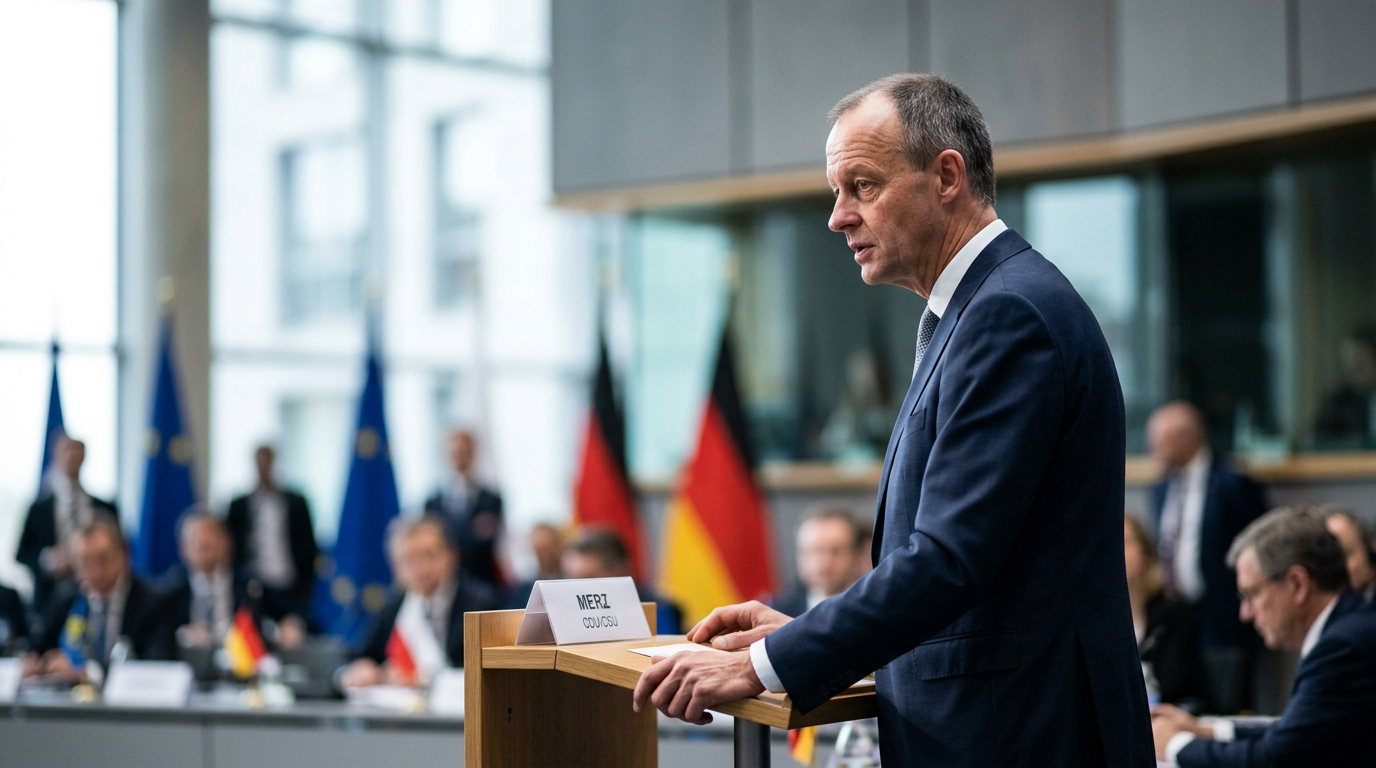
Deutsche Bahn Convenes Urgent Safety Summit Following Fatal Attack on Rail Employee
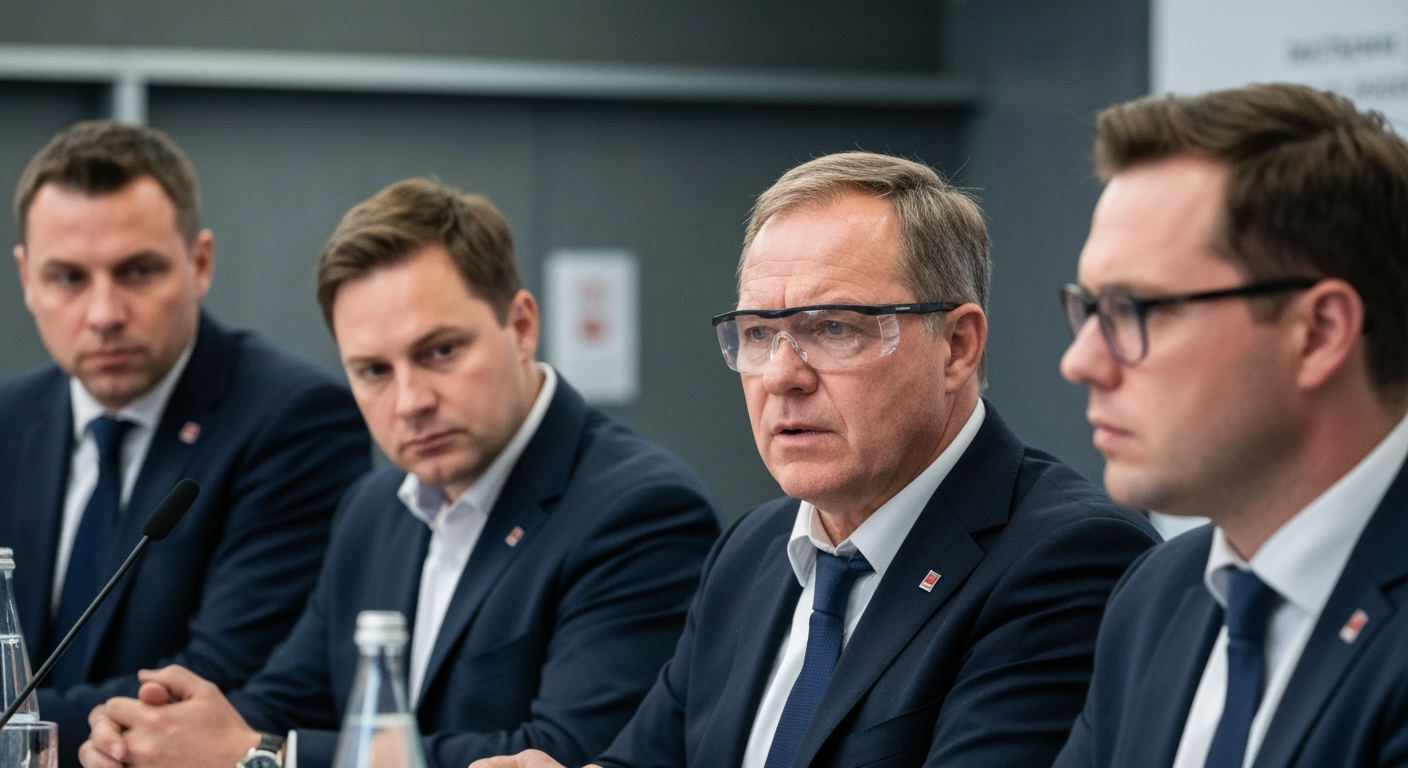
Berlin, Germany – Deutsche Bahn (DB), Germany's national railway operator, held an emergency safety summit in Berlin today, Friday, February 13, 2026, in a direct response to the recent fatal assault on a train conductor. The tragic incident, which occurred earlier this month in Rhineland-Palatinate, has amplified a growing discourse around the safety of railway personnel and passengers across the country's extensive rail network. The summit brought together a wide array of stakeholders, including politicians from all 16 federal states, trade union representatives, federal police, and transport agencies, underscoring the gravity of the situation and the urgent need for comprehensive solutions.
A Tragic Catalyst: Violence Against Rail Workers
The impetus for today's high-level gathering was the death of a 36-year-old train employee, who succumbed to injuries sustained during an attack by a fare evader on a regional train. The conductor had attempted to conduct a ticket inspection when the assault occurred, highlighting the vulnerabilities faced by frontline railway staff. This incident was not isolated but indicative of a troubling trend of increasing violence against transport workers, prompting outrage and calls for immediate action from unions and the public alike. The head of the Railway and Transport Union, Martin Burkert, expressed deep concern, noting that such incidents have become more frequent without what he described as an adequate political response.
The discussions at the summit centered on identifying and implementing immediate measures to bolster security for both Deutsche Bahn employees and the millions of passengers who rely on the German rail system daily. Evelyn Palla, CEO of Deutsche Bahn, emphasized the critical importance of collective action from all parties responsible for rail safety.
Enhancing Human and Technological Safeguards
Among the key proposals and ongoing initiatives to address security concerns is a significant increase in the presence of security personnel on trains and at stations. Deutsche Bahn's security concept already includes continuous efforts to expand its own security staff, with plans to hire up to 500 additional personnel, of whom 250 have been in training since 2023. These new recruits are primarily tasked with protecting infrastructure. The Railway and Transport Union has advocated for a mandate ensuring that two staff members are present on regional trains at all times, a measure they believe is crucial for preventing situations where employees are left vulnerable.
Technological advancements also play a critical role in the enhanced safety strategy. The expansion of video surveillance systems is a core component, with all major stations across Germany slated to be equipped with modern video technology by the end of 2024. This initiative will increase the number of cameras operated by federal police and DB Group to approximately 11,000. The regional transport fleet has also seen a substantial increase in video cameras, with over 50,000 units installed, equipping 80% of vehicles. Furthermore, the deployment of body cameras for train conductors is being explored, building on positive experiences from pilot phases where such devices demonstrated a de-escalating and deterrent effect, significantly reducing verbal and physical assaults.
Beyond physical presence and technology, the summit addressed the need for specialized training for staff and improved efficiency in legal proceedings concerning violent incidents. While proposals for stricter criminal penalties have been voiced, the German Association of Judges has cautioned against a singular focus on legal reforms, suggesting instead that better-resourced judicial institutions are necessary to ensure consistent and expedited prosecution of offenders under existing laws.
The Broader Challenge: Infrastructure and Reliability
While the recent summit primarily focused on interpersonal safety, it invariably touches upon the broader challenges facing the German railway system. Germany boasts one of the world's most extensive and efficient rail networks, and despite recent concerns, it remains remarkably safe in terms of operational accidents. However, Deutsche Bahn has openly acknowledged that its infrastructure has not kept pace with increasing passenger and freight traffic, admitting that significant portions of the network are "too old, too overloaded, and too prone to faults."
Decades of underinvestment have contributed to an aging network that struggles with reliability. Punctuality, once a hallmark of German efficiency, has declined significantly, with only 64% of long-distance trains arriving on time in 2023, a historic low. This ongoing struggle with punctuality and reliability underscores the systemic pressures on the network. In response, Deutsche Bahn, along with the federal government, has embarked on an ambitious modernization program. Record investments are planned, with over €23 billion allocated for network modernization in 2026, following €19 billion in 2025. These funds are earmarked for upgrading existing infrastructure, digital enhancements, and new construction projects. The long-term plan envisions a €150 billion investment to revitalize the entire railway system.
These infrastructure projects, such as the comprehensive renovations of critical corridors like the Riedbahn line between Frankfurt and Mannheim, aim to reduce disruptions and improve overall service quality. While such large-scale upgrades inherently cause short-term disruptions, they are deemed essential for the long-term health and efficiency of the network.
A Critical Juncture for German Rail
The safety summit convened by Deutsche Bahn represents a critical juncture for German rail transport. The fatal attack on a train conductor has served as a stark reminder that safety encompasses more than just technical operational reliability; it extends to the personal security of every individual on trains and at stations. The commitment to increase personnel, deploy advanced surveillance technology, and enhance training reflects a multifaceted approach to bolstering safety.
However, the effectiveness of these measures will depend on sustained political will, adequate funding, and seamless cooperation between all stakeholders. The challenges are complex, ranging from addressing immediate threats of violence to overcoming decades of underinvestment in infrastructure. The outcomes of this summit, combined with ongoing massive investments in modernization, will shape the future of railway travel in Germany, striving to restore public confidence and ensure a safe, reliable, and efficient experience for both employees and passengers. The path forward requires a continuous balancing act between enhancing security, improving punctuality, and meeting the growing demands placed on the national railway system.
Related Articles

Ratko Mladić, "Butcher of Bosnia" and Convicted War Criminal, Dies at 84
THE HAGUE, Netherlands – Ratko Mladić, the former Bosnian Serb military commander known as the "Butcher of Bosnia" and convicted of genocide, war crimes, and crimes against humanity, has died at the age of 84. Serbian...


Long-Awaited 9/11 Mastermind Trial Set for 2028, Decades After Attacks
GUANTANAMO BAY, Cuba – Nearly a quarter-century after the devastating terror attacks of September 11, 2001, a military judge has finally set a trial date for Khalid Sheikh Mohammed, the alleged mastermind behind the...