Devastating Bus Plunge in Guatemala Claims Dozens of Lives, Prompts National Mourning
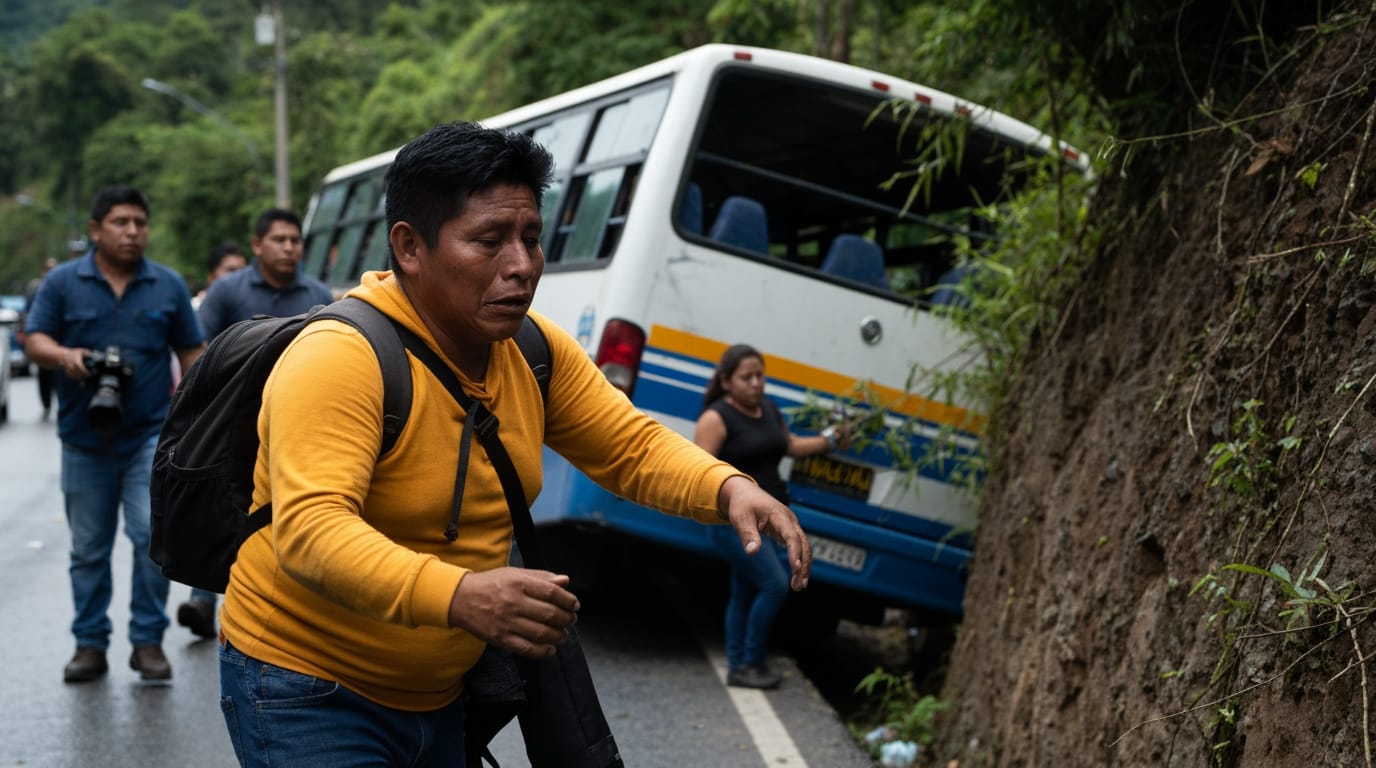
GUATEMALA CITY – A catastrophic bus accident near Guatemala City on Monday, February 10, 2025, resulted in the deaths of at least 55 people and left numerous others injured, after a passenger bus veered off the Puente Belice bridge and plummeted into a sewage-polluted ravine. The tragedy, one of the deadliest road incidents in Guatemala's recent history, has plunged the nation into a period of mourning and ignited renewed concerns over public transportation safety standards.
The Catastrophe Unfolds in the Early Morning Hours
The horrific incident occurred in the pre-dawn hours of Monday, when a packed commuter bus, carrying an estimated 70 to 75 passengers, was traveling into Guatemala City from the town of San Agustín Acasaguastlán in El Progreso department. Initial reports indicate the driver lost control of the vehicle, which then collided with several smaller cars before crashing through a metal safety barrier on the Puente Belice bridge, located in Zone 6 on the outskirts of the capital. The bus subsequently plunged approximately 20 meters (65-66 feet) into the Las Vacas River, a body of water heavily contaminated with sewage. Some accounts describe the fall as steep as 115 feet (35 meters).
Images from the scene depicted a mangled wreckage, with the bus landing upside down and partially submerged in the murky, trash-filled waters. The impact and the challenging environment complicated immediate rescue efforts. The bus, identified as a 1995 model, was more than three decades old, although it reportedly held a valid operating license. This detail has raised questions regarding the oversight and age limits for public transport vehicles in the country. Furthermore, one report indicated that the bus was operating outside its approved route, and the driver did not possess the appropriate license for the vehicle.
Arduous Rescue and Heartbreaking Recovery Efforts
Emergency responders, including firefighters, police, military personnel, and disaster agency teams, immediately mobilized to the site following the crash. The rescue operation proved exceptionally challenging due to the bus's position, the twisted metal, and the unsanitary conditions of the sewage-polluted river. Firefighters worked for hours underwater, attempting to extricate victims trapped within the submerged and deformed structure of the bus.
As bodies were recovered, a provisional morgue was established in a nearby community hall, where distraught relatives gathered, desperately seeking information about their loved ones. The grim toll quickly mounted, with officials confirming at least 53 fatalities at the scene and two more victims succumbing to their injuries after being transported to the San Juan de Dios Hospital, bringing the confirmed death toll to 55. Among the deceased were men, women, and, tragically, several children. Beyond the fatalities, an estimated nine to 19 individuals sustained injuries, with several reported to be in serious condition, requiring immediate medical attention at various hospitals. Volunteer fire departments also provided psychosocial support to approximately 100 family members at the scene, acknowledging the profound emotional impact of the disaster.
National Mourning and Ongoing Investigations
In response to the tragedy, Guatemalan President Bernardo Arévalo expressed profound sorrow and declared a period of national mourning, with some reports specifying three days. The president conveyed his solidarity with the victims' families, emphasizing the collective pain felt across the nation. He also directed the country's army and disaster agency to provide full support for the ongoing rescue and recovery efforts.
Authorities have launched a comprehensive investigation to determine the exact cause of the accident. Initial inquiries are focusing on several factors, including whether the bus was overloaded with passengers, the mechanical condition of the aging vehicle, and potential human error, given reports of the driver losing control. Communications Minister Miguel Ángel Díaz acknowledged that while the bus had a valid license, its age (over 30 years) is a subject of investigation. The Prosecutor's Office has stated its commitment to "elucidate the truth of the facts," promising a thorough examination of all contributing elements. The revelation that the driver was reportedly unlicensed for the route further complicates the ongoing investigation.
A Recurring Tragedy and Broader Road Safety Concerns
This devastating accident serves as a stark reminder of the persistent challenges surrounding road safety in Guatemala and across Central and South America, where severe bus accidents claiming dozens of lives are not uncommon. Guatemala has a history of such tragedies; in 2013, a bus crash in Chimaltenango resulted in approximately 50 deaths, and another accident in 2008 claimed 48 lives.
The prevalence of older vehicles, potentially inadequate maintenance, challenging road conditions, and at times, lax enforcement of traffic regulations contribute to a hazardous environment for commuters. While recent data from the National Traffic Department indicated a slight decrease in overall traffic incidents and fatalities in Guatemala for 2025, attributed to improved patrols and stricter measures, the scale of this particular incident highlights that significant vulnerabilities remain within the public transportation system. The investigation into whether the bus was overloaded and the implications of an unlicensed driver operating the vehicle point to systemic issues that require urgent attention.
Conclusion: Seeking Answers Amidst Profound Loss
The bus plunge into the ravine near Guatemala City represents a profound loss of life and a collective tragedy for the nation. As families grapple with unimaginable grief, the ongoing investigations aim to provide answers and hold accountable those responsible. Beyond the immediate aftermath, the accident underscores the critical need for a renewed focus on enhancing road safety protocols, ensuring rigorous vehicle inspections, enforcing licensing requirements, and modernizing public transportation infrastructure to prevent such devastating incidents from recurring. The memory of the 55 lives lost serves as a somber call to action for comprehensive reforms to protect the countless individuals who rely on public transport daily.


