Devastating Floods Engulf Southern Africa, Displacing Hundreds of Thousands and Exacerbating Humanitarian Crisis
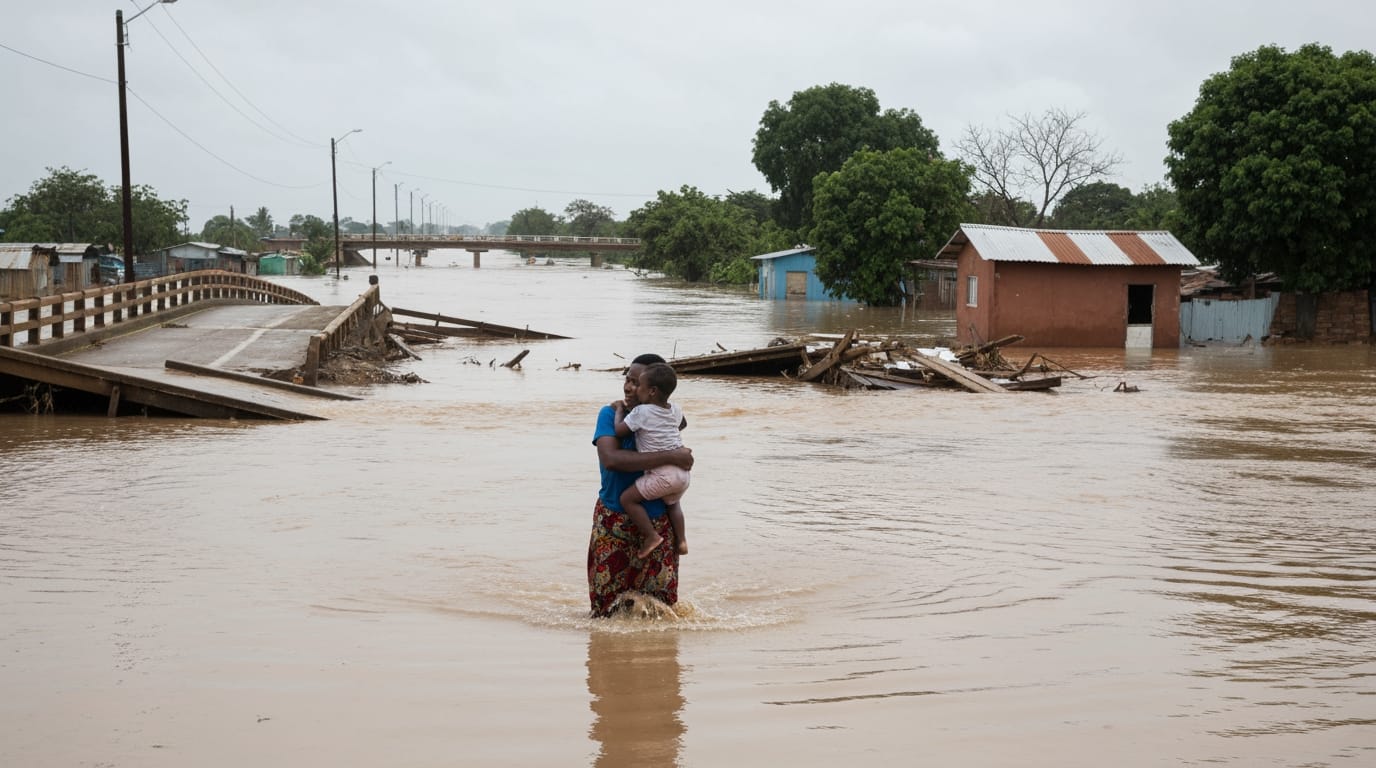
Maputo, Mozambique – Weeks of relentless torrential rains have unleashed catastrophic flooding across central and southern Mozambique and other nations in the Southern African Development Community (SADC) region, triggering a severe humanitarian crisis. The widespread deluge, which began in late December 2025 and intensified through January 2026, has displaced hundreds of thousands, claimed dozens of lives, and decimated vital infrastructure, prompting urgent appeals for international assistance. The scale of the current disaster underscores the region's acute vulnerability to extreme weather events, a phenomenon increasingly linked to climate change.
A Region Submerged: The Immediate Impact
The current flooding has had a devastating and immediate impact across a broad swathe of Southern Africa, with Mozambique bearing the brunt of the disaster. Heavy and sustained rainfall has led to overflowing rivers, dam spillages, and flash floods, submerging vast areas and forcing mass evacuations. As of late January 2026, over 600,000 people in Mozambique alone have been directly affected, with estimates reaching as high as 684,000. Over 95,800 individuals have sought refuge in 91 overcrowded accommodation centers across the country, while many others are staying with host families or in informal settings. The hardest-hit provinces include Gaza, Maputo, Inhambane, Sofala, and Zambézia, with Gaza province experiencing particularly severe inundation, with 40% of its area reportedly submerged.
The human toll continues to mount. Initial reports from Mozambique indicate at least 12 reported deaths, 45 injuries, and 4 missing persons as of January 23, 2026, though other figures cite up to 60 fatalities in the country. Across the broader Southern African region, including South Africa and Zimbabwe, more than 100 lives have been lost. A grim detail emerging from the floods in Mozambique includes at least three deaths attributed to crocodile attacks, as rising waters brought the reptiles into populated areas. The destruction extends to critical infrastructure, with more than 72,000 homes destroyed or damaged, 229 health facilities impacted, and 364 schools affected. Road networks have suffered extensive damage, severely hampering humanitarian access to isolated communities.
Mounting Humanitarian Needs and a Coordinated Response
The widespread displacement and destruction have created an urgent and multifaceted humanitarian crisis. Displaced communities face acute shortages of basic necessities, including shelter, essential household items, clean water, sanitation, hygiene facilities, and food. Overcrowding in temporary accommodation centers, coupled with damage to water and sanitation infrastructure, has significantly elevated the risk of waterborne disease outbreaks, such as cholera. The health sector is under immense strain, with 229 health facilities across five provinces in Mozambique damaged, primarily in Gaza Province. Children are particularly vulnerable, with half of the affected population estimated to be minors, facing increased risks of disease, interrupted education, and protection concerns. Malnutrition, a pre-existing challenge in Mozambique where nearly four out of ten children suffered from chronic malnutrition before the floods, is now expected to worsen due to disrupted food supplies and health services.
In response to the escalating crisis, both national governments and regional and international organizations have mobilized. The Government of Mozambique declared a Red Alert on January 16, 2026, and appealed for humanitarian assistance, acknowledging that national resources are insufficient to address the disaster's scale. Similarly, South Africa declared a State of National Disaster on January 18, 2026, following severe flooding in its Limpopo and Mpumalanga provinces. The International Organization for Migration (IOM) is scaling up its emergency response in Mozambique, providing life-saving assistance and strengthening displacement tracking and coordination efforts. The Southern African Development Community (SADC) deployed its Emergency Response Team (ERT) to Mozambique and South Africa from January 23-31, 2026, to support national authorities in emergency response, early recovery operations, and impact assessments, and to consolidate a regional humanitarian appeal. Other key humanitarian actors, including UNICEF, the World Food Programme (WFP), the International Federation of Red Cross and Red Crescent Societies (IFRC), and the UN Office for the Coordination of Humanitarian Affairs (OCHA), are actively involved in providing aid and coordinating efforts on the ground.
Economic and Agricultural Devastation
Beyond the immediate human suffering, the floods have inflicted severe blows to the region's economy and agricultural sector, threatening long-term food security and livelihoods. The agricultural sector, a cornerstone for many in the SADC region, has been particularly hard-hit. In Mozambique, more than 181,000 hectares of agricultural land have been affected, leading to the loss of over 58,000 to 150,000 livestock, exacerbating an already fragile food security situation. The destruction of crops and livestock directly impacts the livelihoods of countless small-scale farmers who rely on these for sustenance and income.
The damage to infrastructure, including roads, bridges, and public facilities, disrupts supply chains and economic activities, further hindering recovery efforts. In South Africa, previous flooding events, such as those in KwaZulu-Natal, have demonstrated the significant financial burden of recovery, with damages to businesses and infrastructure costing billions. The interruption of electricity and other essential services due to flood damage also has cascading effects on productivity and well-being. The long-term economic consequences could be substantial, impeding development gains and pushing more people into poverty.
Climate Change: A Recurring Threat to Vulnerable Nations
The increasing frequency and intensity of these devastating floods in Southern Africa are widely linked by scientists and regional leaders to the impacts of climate change. Despite contributing less than 1% of global greenhouse gas emissions, the SADC region is one of the most affected by climate change worldwide, experiencing an increase in extreme weather events like floods and droughts. Professor Jasper Knight notes that warmer ocean and atmospheric temperatures lead to more evaporation and erratic, heavier rainfall patterns, intensifying flood risks. Mozambique, with its extensive coastline and major river basins, is particularly vulnerable to cyclones and flooding from the Indian Ocean.
The cycle of recurring disasters strains the capacity of affected nations to recover and rebuild, pushing already exhausted communities deeper into crisis. This stark reality has prompted calls from leaders, including South African President Cyril Ramaphosa, for increased funding for developing countries to address the effects of climate change, arguing that those least responsible for the crisis are bearing its heaviest costs. The situation highlights the urgent need for robust climate adaptation strategies, improved early warning systems, and resilient infrastructure to mitigate future impacts.
The Path Forward: Resilience and Sustained Support
As the floodwaters slowly recede in some areas, the immense challenge of recovery and rebuilding lies ahead for Mozambique and its SADC neighbors. The current crisis demands sustained humanitarian support to meet immediate needs and long-term investment in resilience-building measures. This includes relocating communities from flood-prone areas, developing alternative livelihood strategies, and strengthening infrastructure to withstand future climate shocks. The coordinated efforts of national governments, regional bodies like SADC, and international partners are crucial in providing aid, facilitating early recovery, and helping affected populations adapt to a changing climate. Without such concerted action, the specter of severe flooding will continue to threaten lives, livelihoods, and development across Southern Africa.


