Digital Walls Whisper a Century of German History in 'The Berlin Apartment'
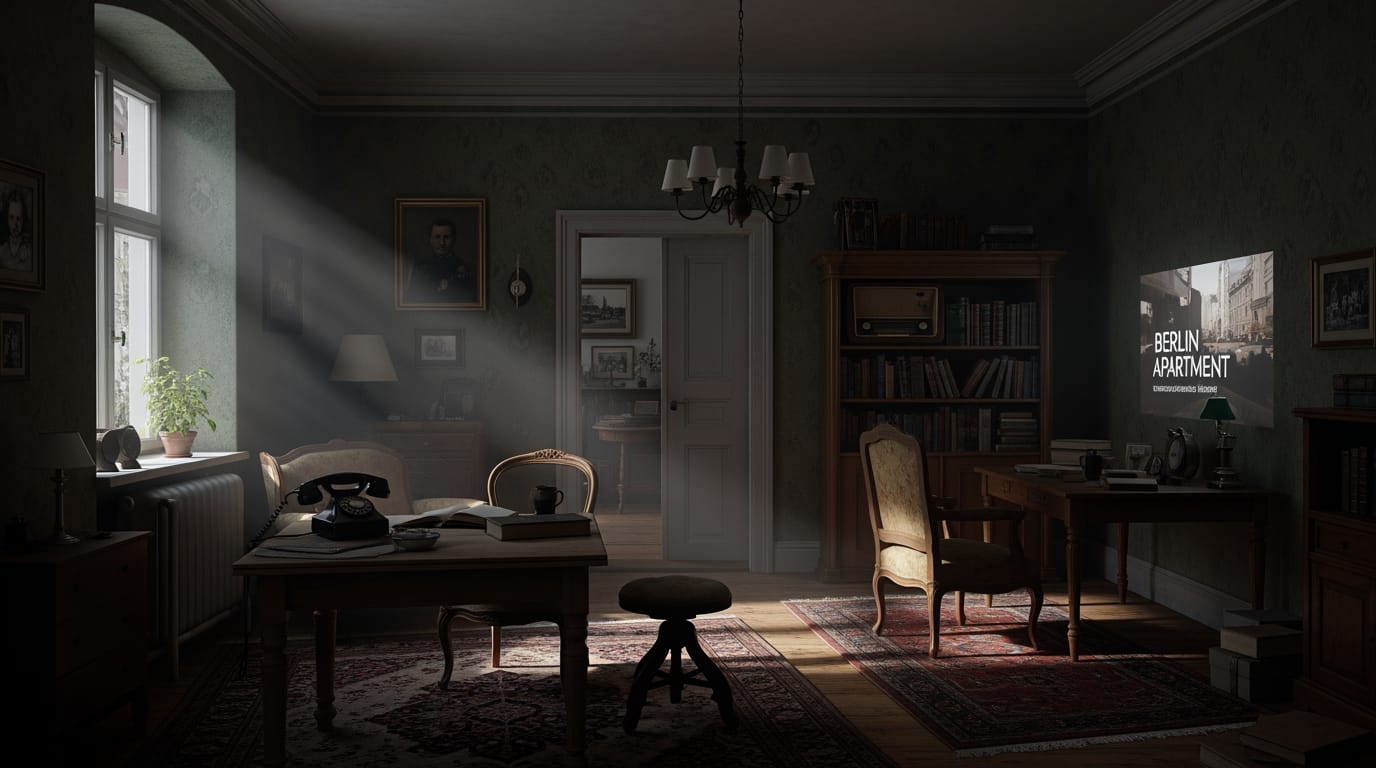
Berlin, Germany – The turbulent and transformative history of Germany, particularly its capital, has long captivated the world. Now, a new video game, "The Berlin Apartment," offers an unprecedented interactive journey through 120 years of this complex past, allowing players to step into the lives of ordinary individuals who witnessed monumental change from within the confines of a single Berlin dwelling. Released on November 17, 2025, for PC, PlayStation 5, and Xbox Series X|S, this first-person narrative adventure game promises an intimate and emotionally resonant exploration of history, moving beyond grand narratives to focus on the human experience.
An Epoch Spanning Threshold: The Apartment as a Witness
Developed by the German studio btf and published by PARCO Games, "The Berlin Apartment" centers its entire experience around one unchanging physical space: an apartment in Berlin. The game ingeniously uses this singular location as a historical anchor, transforming its interiors and the views from its windows to reflect different eras. The core narrative begins in the present day, with a handyman named Malik and his daughter, Dilara, renovating the apartment. As Dilara uncovers relics and forgotten traces of past residents during the renovation, these discoveries act as gateways to vivid, self-contained stories from different periods, bringing the apartment's long history to life. This episodic structure, reminiscent of a short story collection, allows each historical vignette to stand on its own, offering unique protagonists, atmospheres, and even distinct gameplay twists. The apartment thus becomes a silent, yet powerful, witness to a century of German life, embodying the echoes of laughter, heartbreak, and monumental societal shifts.
Weaving Human Stories Through a Nation's Upheaval
The strength of "The Berlin Apartment" lies in its commitment to telling history through a deeply personal lens. Instead of presenting a detached history lesson, the game immerses players in the individual struggles and triumphs of people living through pivotal moments. The historical periods covered are extensive and impactful, ranging from the Weimar Republic and the dark shadow of Nazi rule in 1933, through the devastations of World War II in 1945, the ideological divisions of the Cold War in 1989, and even touching upon the 1960s with themes of censorship. The game extends into the modern era, incorporating the COVID-19 pandemic as a contemporary backdrop for Malik and Dilara's story.
For instance, players might experience the harrowing decision of a Jewish director forced to pack his life into a single suitcase as he flees Berlin in 1933, observing Nazi symbols unfurled outside his window, or navigate the mundane yet poignant existence of a lonely man on the East side of the Berlin Wall in 1989, engaging in a fleeting connection via a paper airplane from the West. Other narratives explore themes of coping during WWII, fighting censorship in the 1960s, or even the challenges of homeschooling during a pandemic. These stories are not just historical footnotes; they are compelling narratives of ordinary people facing extraordinary circumstances, highlighting universal themes of loneliness, persecution, guilt, and the yearning for connection. The game emphasizes that history is not just about grand events but also about the individual lives shaped by them, often shining a light on "small stories that did not impact history but happened nonetheless and affected those involved in deep, indelible ways."
Innovative Gameplay and Artistic Vision
"The Berlin Apartment" distinguishes itself with a gameplay approach that prioritizes exploration and environmental storytelling over conventional puzzles or combat. Players primarily interact with objects within the apartment to uncover clues and trigger flashbacks, piecing together the narratives of former residents. This might involve solving era-specific challenges, such as navigating rationing during World War II or meticulously packing a suitcase to prepare for an uncertain future. The design philosophy deliberately eschews genre-typical puzzles, instead relying on the staging and design of the apartment itself, where furniture, everyday objects, and the faint traces left by inhabitants become the narrators of the past.
Visually, the game adopts a "colorful comic-book aesthetic," a stylistic choice that helps to render Berlin's often-turbulent history with a refreshing and engaging presentation. This art style, combined with detailed 3D environments, creates an atmospheric and immersive experience where even a view out of a window can provide a glimpse into historical Berlin. This blend of unique artistic direction and narrative-driven interaction allows players to develop an empathetic connection to the characters and their eras, transforming the act of playing into a deeper form of historical engagement.
Educational Impact and Critical Acclaim
"The Berlin Apartment" has garnered attention for its potential as an educational tool, demonstrating how video games can effectively convey historical narratives and foster a deeper understanding of the human condition. Reviewers have highlighted the game's ability to turn tactile exploration and found objects into "quietly moving" experiences, reminding audiences that games are a powerful medium for historical exploration. The game excels at showing the impact of politics, conflict, and division through "small but revealing moments," ensuring that each story feels "lived-in" rather than didactic. This approach helps players appreciate the challenges and joys of individuals living through momentous historical changes, often exploring struggles that "are perhaps left out of the history book."
Upon its release, the game received generally positive critical reception. QuestDaily, for instance, awarded it a score of 9 out of 10, praising it as "a quiet game that does a lot with small moments," and noting how its stories "linger long after the credits roll." Gamingbible, while acknowledging some "tedious" gameplay elements, still commended the game's "poignant storytelling" and its engaging examination of the human experience. The title was also nominated for the most anticipated game of 2025 at the DevGAMM Awards, signaling early recognition for its innovative concept. While some critics pointed to occasional gameplay repetitiveness, the consensus affirms the game's narrative strength and emotional impact.
Conclusion: A Legacy Within Walls
"The Berlin Apartment" stands as a significant contribution to interactive storytelling, demonstrating the profound capacity of video games to explore history and human experience with depth and sensitivity. By focusing on the lives that unfolded within a single, ordinary apartment, the game crafts a mosaic of stories that collectively illustrate the extraordinary tapestry of German history. It serves as a testament to the enduring power of personal narratives to illuminate broader historical truths and fosters a crucial sense of empathy for those who lived through times of immense change. As players peel back layers of wallpaper and discover forgotten relics, they are not merely playing a game; they are engaging in an act of historical rediscovery, ensuring that the human stories held within Berlin's walls continue to resonate for generations to come.