Diplomacy on the Brink: Vance Hails Progress in Iran Talks Amidst Escalating Tensions
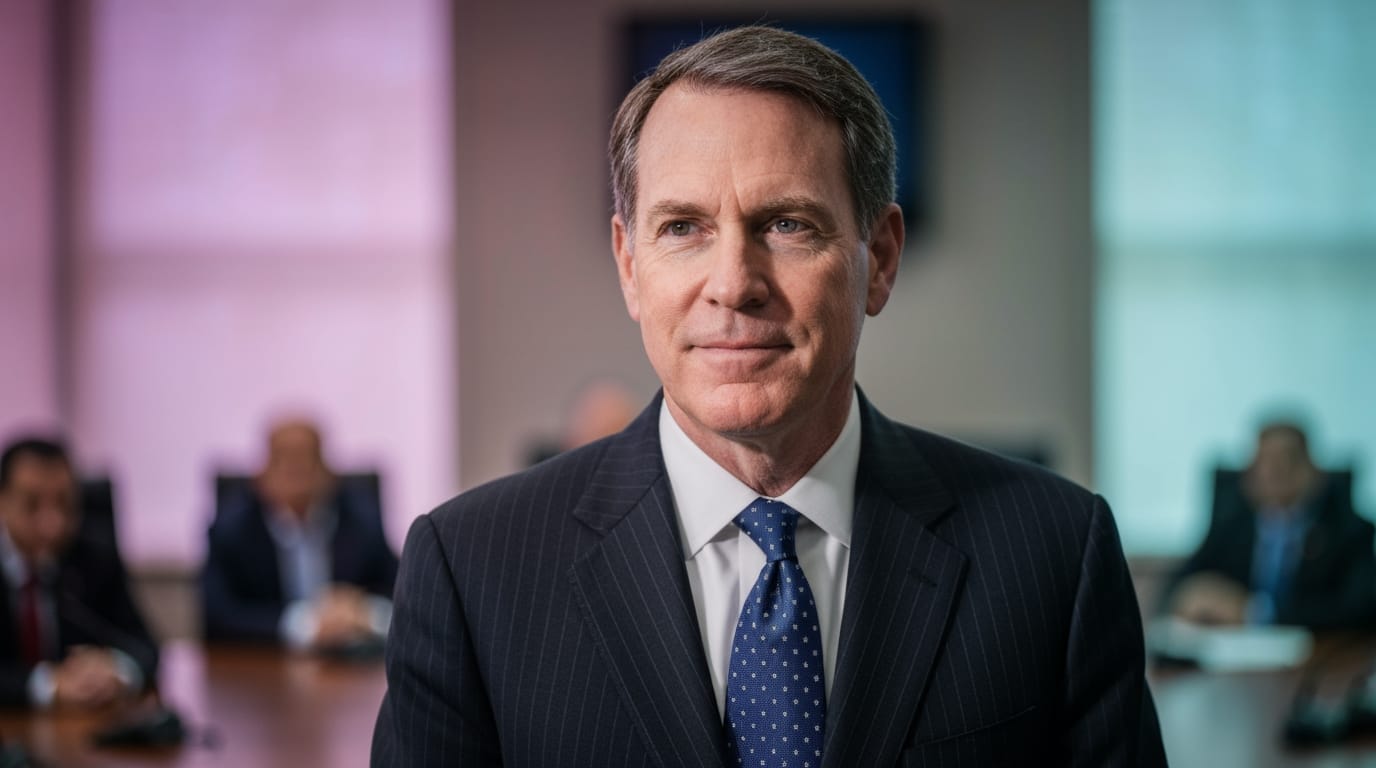
WASHINGTON D.C. – U.S. Vice President JD Vance announced Tuesday that "good progress" is being made in ongoing negotiations with Iran, emphasizing Washington's commitment to a diplomatic resolution while simultaneously underscoring a readiness for military action if a deal remains elusive. The cautiously optimistic remarks arrive amidst a fragile ceasefire and intense, multi-faceted discussions aimed at de-escalating a protracted regional conflict and preventing Iran from acquiring nuclear weapons.
The diplomatic overtures are occurring under the shadow of recent military hostilities between the United States and Israel against Iran, a conflict that has heightened global anxieties and significantly impacted international markets. Vice President Vance's statements reflect a precarious balance, indicating that while substantial strides are perceived in the talks, the specter of renewed confrontation remains a tangible "option B" for the Trump administration.
A Tense Diplomatic Dance Amidst Past Conflicts
The current round of negotiations between the United States and Iran is part of a complex and often volatile history, with the latest push for a nuclear peace agreement commencing in April 2025 following a communication from U.S. President Donald Trump to Iran's Supreme Leader. That initial phase was marked by a 60-day deadline set by Trump, which, upon its expiration without an agreement, led to Israeli strikes against Iran, igniting a war between the two nations. Further significant military actions, including large-scale strikes by the U.S. and Israel against Iran, took place in February 2026, marking the beginning of what has been referred to as the 2026 Iran war.
A temporary two-week ceasefire was eventually announced on April 7, 2026, largely facilitated by Pakistani mediation. Despite this truce, a subsequent round of direct talks in Islamabad on April 11 failed to yield a lasting breakthrough. President Trump had previously dismissed an Iranian proposal in April as "unacceptable," yet the diplomatic channel, primarily through Pakistani intermediaries, has continued to operate. Vice President Vance, who himself led a U.S. delegation to Pakistan in April for talks that did not produce a deal, noted that further progress has been made since that time.
Core Demands and Sticking Points
At the heart of the protracted negotiations lie fundamental disagreements over sanctions relief, Iran's nuclear program, and control of strategic waterways. Iran has consistently demanded the formal lifting of all sanctions as part of any comprehensive agreement. Conversely, the United States has reportedly offered a more limited approach, proposing temporary oil sanctions relief specifically for the duration of the negotiations. One report suggested that the U.S. had agreed to unfreeze only 25% of Iran's funds on a phased timetable, though it showed flexibility on limits to Tehran's nuclear activities.
The paramount U.S. demand, consistently reiterated by Vice President Vance and President Trump, is to ensure Iran never obtains a nuclear weapon. This "red line" mandates that sufficient protections are put in place to prevent such an outcome. However, Iran's latest 14-point counterproposal, submitted through Pakistan, reportedly does not include a commitment to suspend uranium enrichment or to hand over its existing stockpile of highly enriched uranium (HEU), a key U.S. demand. Iranian officials have also proposed focusing initial negotiations on ending the war, deferring discussions on the nuclear file to a later stage.
Another critical aspect of the talks concerns the Strait of Hormuz. Iran took control of the vital waterway after the war erupted, and the reopening of the strait is a significant demand within the negotiations. The U.S. expects Iran to make progress on this issue, with warnings that negotiations would shift if Tehran fails to comply.
The Economic and Geopolitical Ripple Effects
The ongoing tensions and the delicate dance of diplomacy have reverberations far beyond the immediate negotiating table. The prospect of easing tensions has revived hopes for stability in international oil markets, which have experienced significant volatility due to the conflict and disruptions. Global oil prices, for instance, spiraled after Iran exerted control over the Strait of Hormuz. The situation also influences broader macroeconomic trends, with analysts noting a "risk-off trend" in markets.
Regional allies, including Gulf Arab nations, have played a role in urging a diplomatic path forward, with President Trump acknowledging their requests to delay planned military attacks to allow negotiations to continue. Vice President Vance, a self-described "Iran war-skeptic," has emphasized that the U.S. has already "degraded their conventional military capability," which has been successfully achieved, and the focus is now on aggressive diplomatic engagement.
A Future Uncertain
As Vice President Vance points to "a lot of good progress" in the Iran talks, the international community watches closely. While the diplomatic pathway remains the stated preference, with the U.S. stating it holds discussions in "good faith," the underlying threat of renewed military action persists. President Trump's recent pronouncements, including giving Tehran a narrow timeframe to reach an agreement and his assertion of being "locked and loaded," underscore the high-stakes environment surrounding these negotiations.
The path to a comprehensive deal is fraught with significant obstacles, particularly the unresolved issues of comprehensive sanctions relief and Iran's uranium enrichment program. The balance between diplomatic persistence and the looming possibility of military escalation continues to define this critical geopolitical standoff. The ultimate outcome will not only shape the future of U.S.-Iran relations but also profoundly impact regional stability and global economic dynamics.


