Senate Advances Measure to Curtail President's Iran War Powers Amid Escalating Tensions
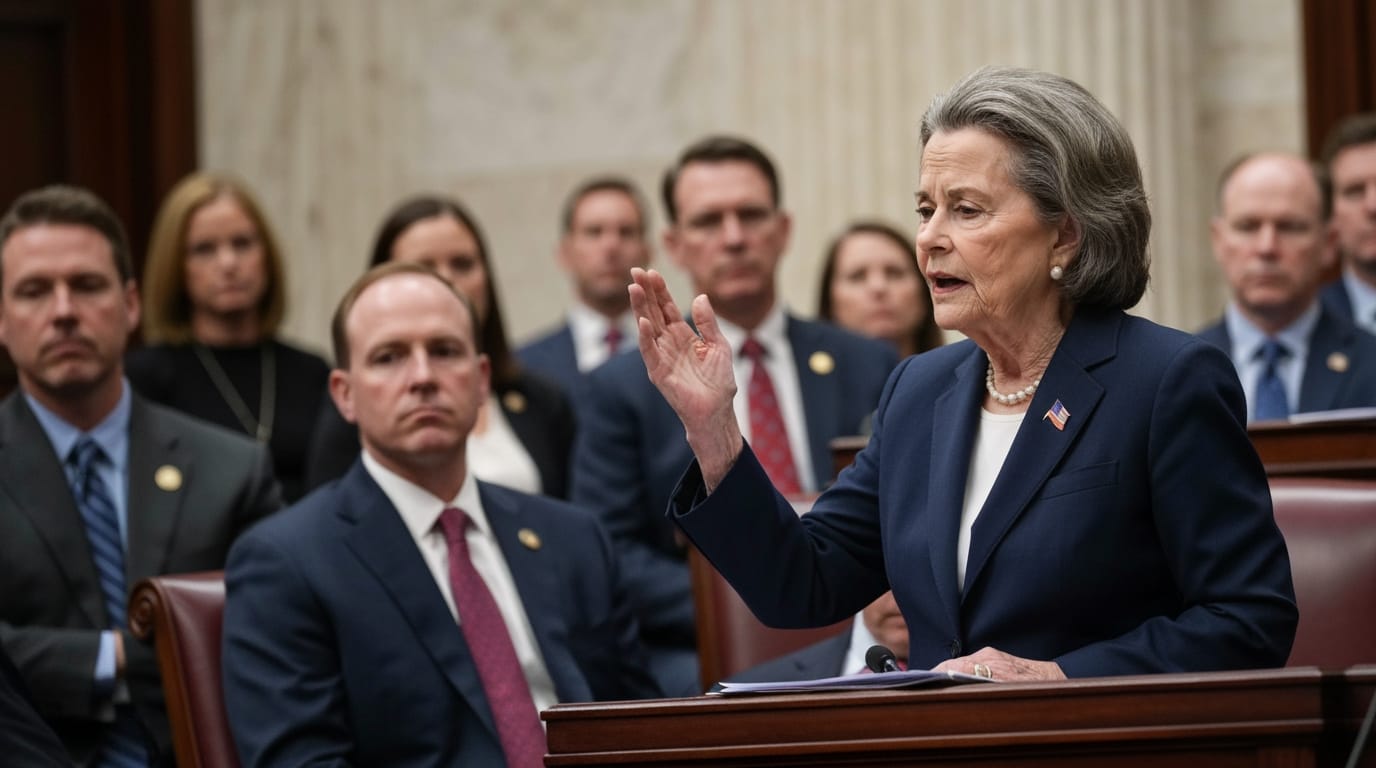
WASHINGTON — In a significant legislative move, the U.S. Senate voted Tuesday to advance a resolution aimed at limiting President Donald Trump's authority to engage in military hostilities with Iran without explicit congressional approval. The 50-47 procedural vote marks a notable breakthrough for lawmakers seeking to reassert legislative oversight on foreign military engagements, particularly as the conflict in Iran extends beyond two months with escalating costs and unclear objectives.
The resolution, sponsored by Virginia Senator Tim Kaine, seeks to invoke the 1973 War Powers Act, which mandates congressional authorization for prolonged military action. Its advancement comes after seven previous attempts to bring similar measures to the floor had failed, signaling a growing bipartisan unease with the current administration's conduct of "Operation Epic Fury" in Iran.
A Pivotal Senate Vote Signals Shifting Dynamics
Tuesday's vote to discharge the resolution from committee and bring it to a full Senate debate represents a crucial step for congressional authority. The 50-47 margin saw four Republican senators — Susan Collins of Maine, Lisa Murkowski of Alaska, Rand Paul of Kentucky, and, for the first time, Bill Cassidy of Louisiana — joining the vast majority of Democrats in supporting the measure. This bipartisan alignment underscored a developing sentiment that the executive branch has overstepped its constitutional bounds regarding military action.
Senator Cassidy's vote, notably cast shortly after a primary loss where President Trump endorsed his opponent, added a layer of political intrigue to the proceedings. He stated his concern that the White House and Pentagon had "left Congress in the dark" regarding the Iran operation, echoing sentiments from constituents, including Trump supporters, who are increasingly worried about the war. Senator John Fetterman of Pennsylvania was the sole Democrat to vote against advancing the resolution, while three Republicans did not cast a vote.
Reclaiming Congressional Authority Under the War Powers Act
At the heart of the Senate's action is a fundamental constitutional debate over the division of war powers between the executive and legislative branches. The resolution explicitly directs the president to "remove the United States Armed Forces from hostilities within or against Iran, unless explicitly authorized by a declaration of war or a specific authorization for use of military force." This directly challenges the administration's claims that it can continue military action without formal congressional approval, a stance that has drawn sharp criticism from Democrats and some legal experts.
The 1973 War Powers Act was enacted in the aftermath of the Vietnam War to prevent presidents from committing U.S. forces to prolonged conflicts without congressional consent. Proponents of the resolution argue that the ongoing hostilities in Iran, which have lasted for over 80 days, fall squarely under the act's provisions, requiring greater accountability and oversight from Congress. Critics of the administration have accused President Trump of dismissing diplomatic overtures and conducting the war without a clear plan, objective, or legal authority.
Mounting Concerns Over the Prolonged Iran Conflict
The ongoing military engagement in Iran, dubbed "Operation Epic Fury," has spanned more than 11 weeks, prompting growing apprehension regarding its trajectory and substantial costs. Senator Kaine highlighted the current situation as a "fragile ceasefire," emphasizing the urgent need for congressional reassessment of U.S. military involvement. The conflict has reportedly strained U.S. weapons stockpiles, raised questions about military readiness, and driven official cost estimates above $30 billion to date.
The lack of congressional declaration of war for the conflict has fueled accusations that the Trump administration has been "flaunting Congressional oversight." While administration officials have contended that a current ceasefire effectively pauses the 60-day clock under the War Powers Act that would necessitate congressional authorization, this interpretation has been disputed by lawmakers and legal experts alike. The mounting human and financial costs have galvanized a renewed push within Congress to scrutinize the rationale, strategy, and ultimate goals of the U.S. presence in Iran.
The Road Ahead: Veto and House Challenges Remain
Despite the Senate's successful procedural vote, the resolution faces significant hurdles before it could become law. This vote represents only an initial step, requiring a full floor vote in the Senate before it can be sent to the House of Representatives for consideration. Even if it manages to pass both chambers, President Trump is widely expected to veto the measure, mirroring his action on a similar resolution concerning U.S. military involvement in Yemen during his first term.
Nevertheless, Democrats view the advancement of the resolution as a crucial victory, compelling Republicans to take a public stance on the unpopular war and potentially influencing the president's future decisions. Senate Minority Leader Chuck Schumer emphasized that the vote demonstrates "our pressure is working: Republicans are starting to crack, and momentum is building to check him." The legislative battle highlights the persistent tension between presidential prerogative in foreign policy and Congress's constitutional duty to declare war and oversee military actions.
The Senate's vote to advance the resolution signals a strengthened determination within Congress to exercise its constitutional responsibilities concerning military deployments. While the path to ultimately curtailing the president's war powers in Iran remains fraught with challenges, including a likely presidential veto, this action underscores a critical moment for legislative oversight. It reflects growing bipartisan concern over the protracted conflict, its financial burden, and the need for a clear strategy, setting the stage for continued debate on the appropriate balance of power in matters of war and peace.


