Diplomatic Hopes Fade: Collapse of U.S.-Iran Talks Deepens Crisis for Ordinary Iranians
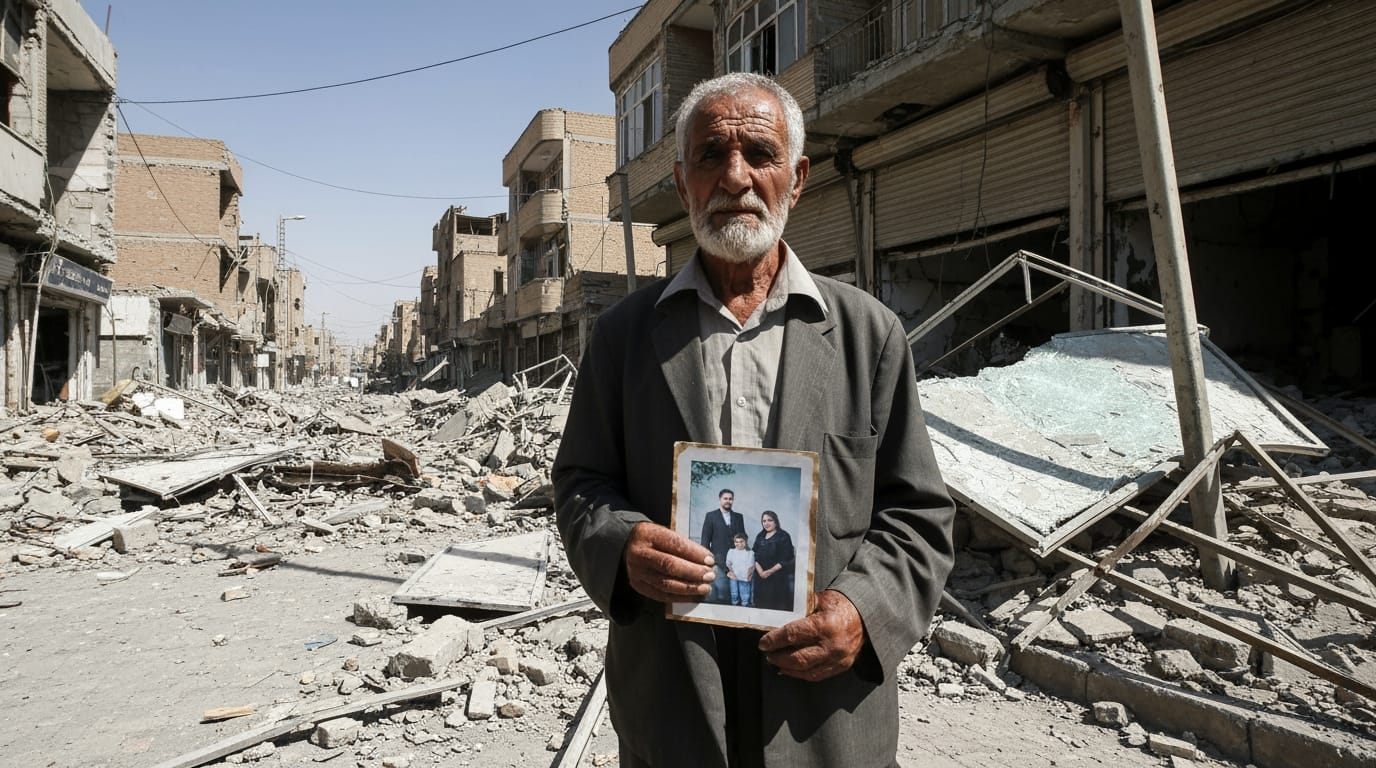
The recent collapse of high-stakes negotiations between the United States and Iran in Islamabad has extinguished fragile hopes for de-escalation, ushering in a renewed era of uncertainty and significantly exacerbating the plight of ordinary Iranians already grappling with severe economic hardship. After 21 hours of intense discussions mediated by Pakistan, the diplomatic effort concluded without agreement, signaling a profound setback for regional stability and intensifying a humanitarian crisis driven by international sanctions and a looming naval blockade.
The Diplomatic Deadlock: High-Stakes Talks in Islamabad
The talks in Pakistan represented a critical, albeit ultimately unsuccessful, attempt to bridge deep-seated divisions between Washington and Tehran. U.S. Vice President JD Vance confirmed American negotiators returned home empty-handed following the nearly day-long discussions. These negotiations held historical significance, marking the first high-level political contact between the U.S. and Iran since the 1979 Islamic Revolution, according to some reports. The Iranian delegation included Parliament Speaker Mohammad Bagher Ghalibaf and Foreign Minister Abbas Araghchi, indicating the seriousness with which Tehran approached the engagement. Despite the unprecedented level of representation and the high hopes of mediators, the discussions failed to yield a breakthrough.
Core Disagreements: Nuclear Ambitions and Strategic Control
The breakdown stemmed from fundamental disagreements on several core issues, primarily Iran's nuclear program and the strategic control of the Strait of Hormuz. The U.S. demanded an unambiguous commitment from Iran to not pursue nuclear weapons, or the tools for rapid acquisition, which remained a central obstacle. Tehran, however, maintained that uranium enrichment is its sovereign right as a signatory of the Nuclear Non-Proliferation Treaty (NPT) for civilian purposes, despite the treaty not prohibiting civilian enrichment. Iran had previously offered to suspend nuclear operations for a few years but refused to surrender its stockpile of highly enriched uranium or permanently relinquish enrichment capabilities.
Another critical sticking point was the Strait of Hormuz, a vital global oil route through which one-fifth of the world's energy supply passes. The U.S. demanded its immediate reopening to all international maritime traffic, while Iran viewed its control over the Strait as its "single greatest strategic leverage," reluctant to surrender it without substantial concessions. Iranian officials have increasingly framed control of the waterway as a source of revenue and national prestige. Iran also sought the release of frozen assets and reparations for past conflicts, demands that further complicated negotiations. Underlying these specific disagreements was a pervasive mutual distrust, with Iran's foreign ministry citing "America's breaches of promise" as a key factor. Iranian leadership attributed the breakdown to what they perceived as "excessive demands" and "unreasonable" conditions from the U.S., particularly concerning nuclear restrictions.
Compounding Crisis: Economic Hardship for Iranians
The failure of these talks casts a long shadow over the daily lives of ordinary Iranians, who have long borne the brunt of international sanctions. The existing "maximum pressure campaign" has reimposed and exacerbated sanctions, many of which were temporarily lifted under the 2015 Joint Comprehensive Plan of Action (JCPOA). The Iranian Rial has lost over 80% of its value since 2018, contributing to rampant hyperinflation and shortages of essential goods. The World Bank estimates that nearly 20% of Iranians now live in poverty, with low-income families particularly affected.
The humanitarian impact of these sanctions is profound. Access to crucial medicines and medical equipment has been severely hampered, affecting vulnerable patients suffering from conditions such as epidermolysis bullosa, cancer, hemophilia, and HIV. Despite international law exempting humanitarian goods, banks and companies often "overcomply" with sanctions, halting even permitted trade due to fear of U.S. penalties. This has led to critical delays in importing vital supplies and a significant decline in public health.
Food insecurity has also worsened, particularly for peasants and rural agricultural workers. They face prohibitively expensive agricultural inputs, a collapse of export markets for products like pistachios and saffron, and declining purchasing power as rural wages stagnate while food prices soar. Many are forced into debt or extreme poverty, with some migrating to urban slums.
Further compounding the economic pressure, the U.S. announced a naval blockade of Iranian ports following the talks' collapse. This measure aims to prevent vessels from entering or leaving Iranian ports and to intercept ships paying transit fees to Tehran. Iran's military adviser Mohsen Rezaee swiftly warned that Iran "will not allow" such an embargo, suggesting a potential for heightened confrontation. The civilian population has also been enduring a month-long internet blackout, limiting their access to independent information and further isolating them.
Broader Repercussions: Regional Instability and Global Markets
The failure of diplomacy carries significant regional and global ramifications. The already fragile two-week ceasefire that preceded the Islamabad talks, set to expire on April 22, is now precarious, increasing the risk of wider conflict in the Middle East. Middle East energy exports face potential supply disruptions, contributing to global instability.
International markets reacted swiftly and negatively to the news. Oil prices surged, with Brent crude rallying above $100 per barrel, as concerns mounted over energy supply from the region, especially given the new U.S. blockade and Iran's strategic position on the Strait of Hormuz. Global stock markets declined, and safe-haven currencies like the U.S. dollar strengthened, reflecting increased investor nervousness and a shift to risk-averse positioning. This market volatility translates to higher costs for consumers worldwide and adds another layer of inflationary pressure to the global economy.
An Uncertain Path Forward: Defiance and Lingering Hope
Reactions within Iran to the talks' collapse have been a mix of frustration and defiance. While some Iranians expressed disappointment, officials and state media largely framed the outcome as a moment to test leverage, particularly around the Strait of Hormuz. Tehran's leadership, including Parliament Speaker Mohammad Bagher Ghalibaf and President Masoud Pezeshkian, indicated that while responsibility for the breakdown lay with Washington, the door to diplomacy remains open, albeit conditionally. They stressed the importance of Washington abandoning "totalitarianism" and respecting Iran's rights.
The U.S. posture appears hardened. President Trump stated he does not care if Iran returns to the negotiating table, though he also indicated that other vessels not stopping in Iran would be allowed to transit the Strait of Hormuz, despite the blockade threat. While a deal in a single round of talks was deemed unrealistic by some Iranian officials, suggesting diplomacy is a longer process, the immediate future appears devoid of a clear path to resolution. The deep-seated mistrust and conflicting objectives that plagued the Islamabad talks suggest that any future diplomatic efforts will face similar formidable challenges.
In the absence of a diplomatic breakthrough, the current trajectory points toward prolonged economic suffering for ordinary Iranians and continued regional instability. The human cost of this geopolitical deadlock remains profound, with little immediate relief in sight for a populace caught between international pressures and domestic challenges.