Diplomatic Icebreakers: Canada and France Establish Consulates in Nuuk Amid Heightened Arctic Interest
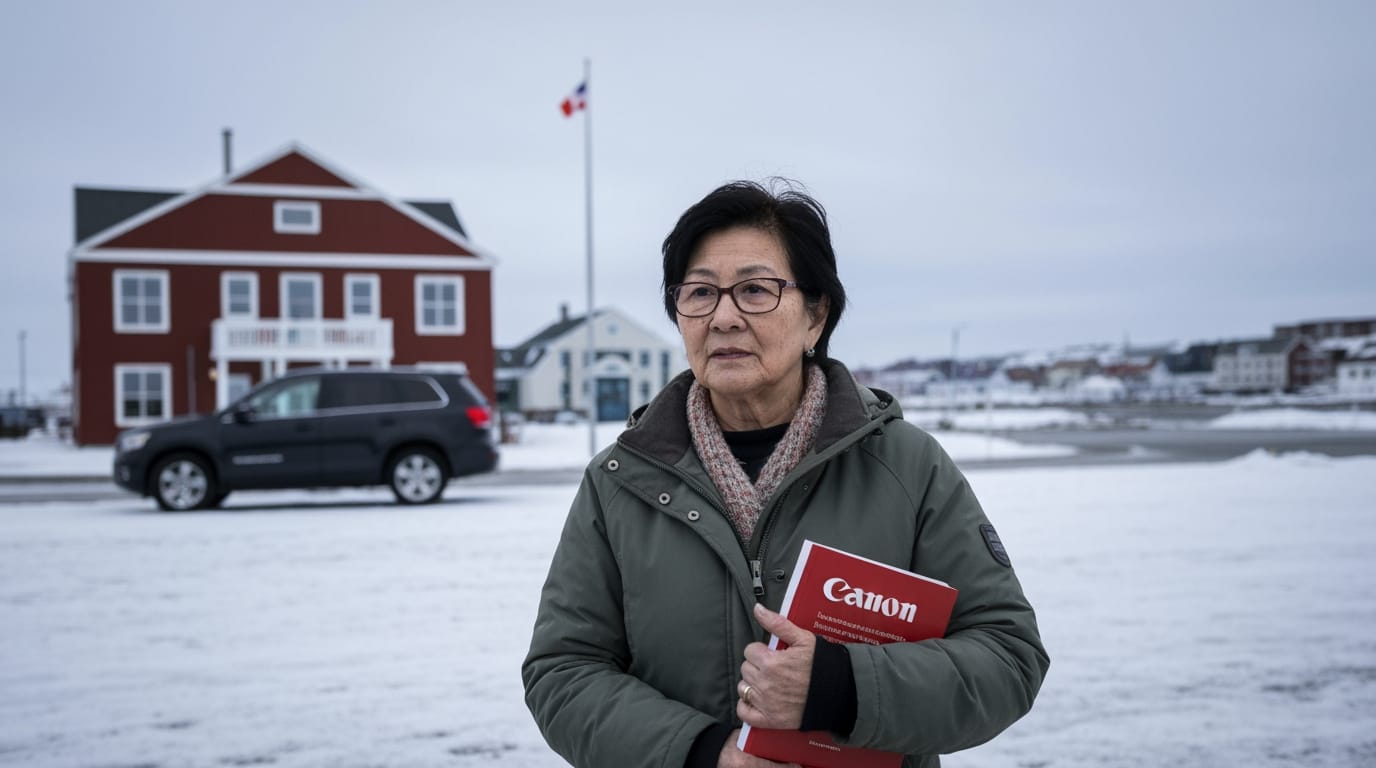
NUUK, Greenland – In a significant diplomatic maneuver underscoring the escalating geopolitical importance of the Arctic, Canada and France officially inaugurated new consulates in Greenland's capital, Nuuk, on Friday. These openings signal a deepened commitment by both nations to foster closer ties with the semi-autonomous Danish territory, which has found itself at the nexus of international attention due to its strategic location, abundant resources, and the accelerating impacts of climate change. The move is widely interpreted as a concerted effort to bolster stability and cooperation in the Arctic region, particularly in the wake of renewed United States interest in acquiring Greenland.
A New Chapter in Arctic Diplomacy
The establishment of the Canadian and French diplomatic missions marks a pivotal moment for Nuuk, which is steadily growing as a hub for international engagement. For Canada, the opening of its consulate was attended by Foreign Minister Anita Anand and Governor General Mary Simon, an Indigenous leader whose presence emphasized the shared cultural heritage with Greenland's Inuit population. Foreign Minister Anand highlighted that the consulate aims to deepen Arctic ties and boost cooperation on critical issues such as climate change, Inuit rights, and regional defense. The Canadian Coast Guard medium duty icebreaker CCGS Jean Goodwill was present for the opening, serving as a symbolic gesture of Ottawa's support for Greenland's territorial integrity. The plan to establish a consulate was initially announced as part of Canada's Arctic Foreign Policy in December 2024, with its formal inauguration delayed from November due to adverse weather conditions.
France, in turn, becomes the first European Union country to establish a consulate general in Greenland. French President Emmanuel Macron had announced these plans during his visit to Greenland in June of last year, a decision seen as a clear demonstration of solidarity following previous U.S. overtures regarding the island's acquisition. The French Foreign Ministry affirmed its commitment to respecting the territorial integrity of the Kingdom of Denmark. Jean-Noël Poirier, the newly appointed Consul General, will focus on strengthening existing cultural, scientific, and economic cooperation projects, as well as political ties with local authorities. Despite only a small French expatriate community of nine citizens residing on the island, the consulate's strategic importance far outweighs the number of nationals it will directly serve.
Greenland's Evolving Global Stage
Greenland, an autonomous territory within the Kingdom of Denmark, is increasingly recognized for its outsized role in global affairs. With a population of just under 57,000, its self-governing status grants it considerable control over domestic policy, while foreign and defense matters largely remain under Copenhagen's purview. The island's long-term aspiration for greater economic self-sufficiency and eventual independence hinges significantly on its ability to leverage its strategic position and natural resources.
The Arctic region, once considered a remote and largely tranquil area, has rapidly transformed into a theatre of intense geopolitical competition. Climate change is the primary catalyst for this shift, as melting ice sheets open new shipping lanes, expose vast untapped mineral resources, and alter the strategic landscape. Greenland’s location, nestled between North America and Europe, is central to emerging trans-Arctic shipping routes, offering potentially shorter transit times between continents. This makes it a crucial player in the future of international navigation and commerce, despite current challenges such as treacherous weather and a lack of infrastructure.
Strategic Imperatives and Resource Riches
Beyond shipping, Greenland holds immense strategic value due to its pivotal role in Arctic security. It forms a key component of the Greenland-Iceland-United Kingdom (GIUK) Gap, a critical maritime corridor for monitoring naval movements in the North Atlantic. This makes the island indispensable for NATO's ability to track and, if necessary, contain the movements of Russia's Northern Fleet. The presence of the U.S. Pituffik Space Base (formerly Thule Air Base) further underscores its military significance, providing crucial missile early warning and space surveillance capabilities.
The island is also a treasure trove of critical raw materials, including rare earth elements essential for modern technologies like electric vehicles, wind turbines, and advanced military equipment. Western nations view Greenland's mineral wealth as an opportunity to diversify supply chains and reduce reliance on countries like China, which currently dominates the market for many of these elements. However, the extraction of these resources remains a complex issue, balancing economic opportunities with environmental concerns and the desire of Greenlanders to control their own destiny.
A Response to External Pressures
The renewed diplomatic focus on Nuuk, particularly from Canada and France, comes against a backdrop of heightened U.S. interest in Greenland. Former U.S. President Donald Trump's repeated suggestions of purchasing the island ignited a diplomatic stir, prompting European allies to reaffirm Greenland's sovereignty and its integral place within the Kingdom of Denmark. While Washington has since eased its claims and established a U.S.-Denmark-Greenland working group on Arctic security, the underlying strategic competition remains palpable. The U.S. itself reopened its consulate in Nuuk in 2020, following its closure in 1953, reflecting its own recognition of the island's growing importance. The European Commission also opened a local office in Nuuk in 2024, further indicating the wider international recognition of Greenland's significance.
Canada, as an Arctic nation with significant Indigenous populations sharing cultural ties with Greenland's Inuit, emphasizes cooperation on shared challenges and elevating Indigenous voices in Arctic governance. France, while geographically more distant, plays a crucial role as a European power and NATO member, actively contributing to regional stability and advocating for multilateral cooperation in the Arctic.
Looking Ahead
The twin consulate openings in Nuuk represent more than just bureaucratic expansions; they are tangible symbols of a shifting global landscape where the Arctic, and Greenland within it, occupies a central role in geopolitical calculations. As climate change continues to transform the physical environment of the North, the strategic, economic, and environmental stakes will only grow. The increased diplomatic presence aims to ensure that Greenland’s future is shaped through cooperation and respect for sovereignty, rather than through external pressures. This coordinated diplomatic push by Canada and France reinforces the message that the future of the Arctic should be one of peace, collaboration, and the sustainable development of its unique environment and diverse communities.


