Diplomatic Storm Brews as South Africa Deports Kenyans Over US Afrikaner 'Refugee' Program
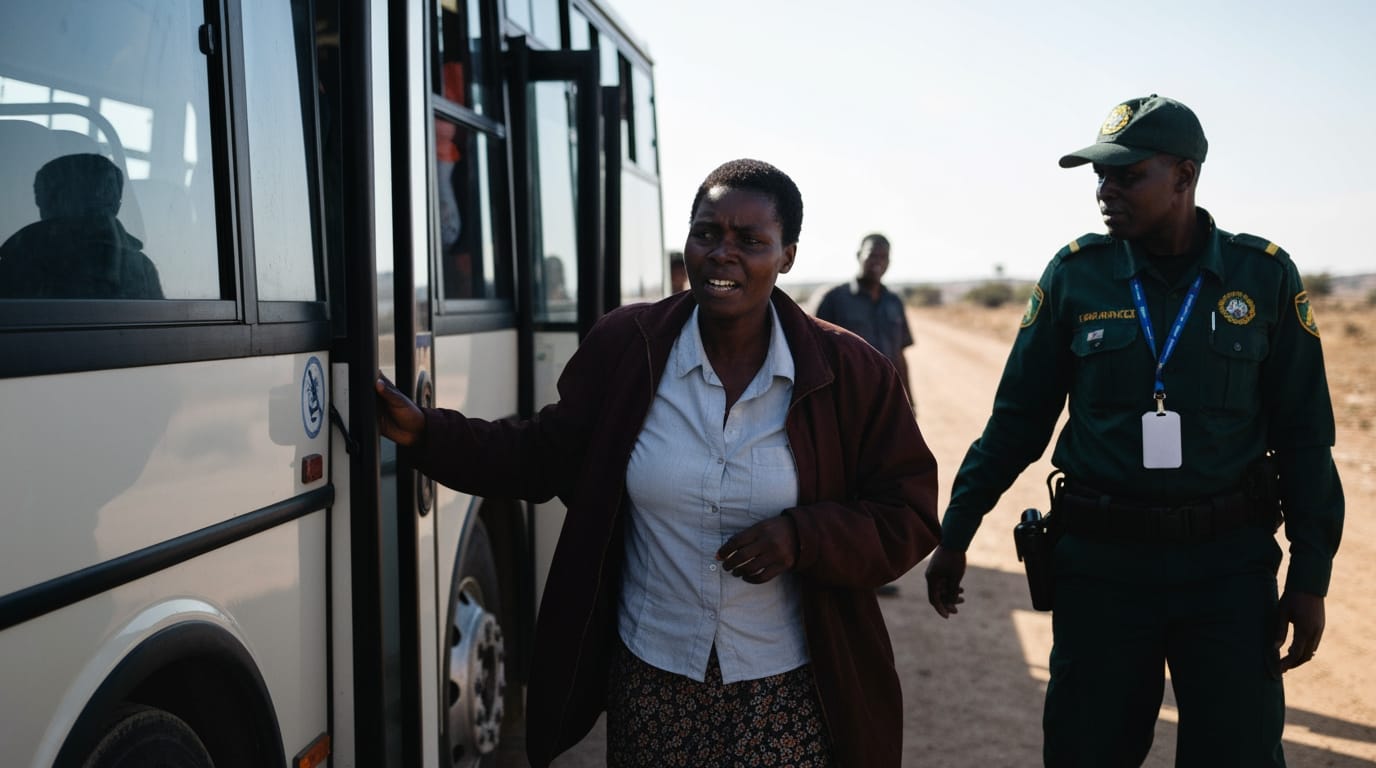
JOHANNESBURG, South Africa – South African authorities have deported seven Kenyan nationals following a raid on a processing center in Johannesburg linked to a controversial U.S. government "refugee" program for white Afrikaners, igniting a fresh diplomatic dispute between Pretoria, Washington, and Nairobi. The arrests underscore South Africa's firm stance against foreign nationals working illegally and its deep disagreement with the U.S. administration's characterization of conditions for its white minority.
The Raid and Subsequent Deportations
The operation, carried out by South Africa's Department of Home Affairs on Tuesday, December 16, targeted a facility where applications for the U.S. Afrikaner refugee program were being processed. Seven Kenyan nationals were apprehended for engaging in work activities while possessing only tourist visas, a clear violation of their entry conditions into the country. Following their arrest, deportation orders were issued, and the individuals face a five-year prohibition from re-entering South Africa.
According to South African officials, the raid was intelligence-driven, prompted by reports that Kenyan nationals had entered the country on tourist visas specifically to undertake employment at the processing center. The Department of Home Affairs stated that no U.S. officials were arrested during the operation, nor was the site considered a diplomatic premise. However, the presence of foreign nationals allegedly coordinating with undocumented workers has raised significant questions regarding intent and diplomatic protocols, prompting South Africa's Department of International Relations and Cooperation to initiate formal diplomatic engagements with both the United States and Kenya to address the matter.
The Controversial US "Refugee" Initiative
At the heart of this international incident is a U.S. government initiative, spearheaded by President Donald Trump's administration, offering refugee status to white Afrikaners from South Africa. This program is based on claims from the U.S. that the minority white Afrikaner community faces discrimination, and even "genocide," in South Africa. The U.S. government reportedly engaged a Christian non-governmental organization (NGO) based in Kenya, identified as RSC Africa (operated by Church World Service), to facilitate and fast-track the processing of these resettlement applications.
President Trump's decision to prioritize Afrikaners for refugee status has been a contentious point, particularly since his administration had previously set historically low refugee caps. Critics, including refugee advocates, have argued that this specific allocation misuses the traditional U.S. refugee program, which typically assists individuals fleeing persecution regardless of race. The U.S. State Department's website details the U.S. Refugee Admissions Program (USRAP) as a pathway for individuals who meet the definition of a refugee, and in certain circumstances, allows for considerations for those within their country of nationality if specified by the President.
Pretoria's Firm Rejection and Diplomatic Fallout
South Africa has consistently and emphatically denied the U.S. administration's claims that white Afrikaners are subjected to persecution or genocide within the country. Pretoria views such assertions as "completely false" and has repeatedly rejected the narrative of systematic discrimination against its white minority.
The incident has further strained diplomatic relations between Washington and Pretoria, which have reportedly been tense since the Trump administration's return to office. South Africa had previously signaled its discomfort with the U.S. program by indicating its intention to refuse work permits for Kenyan expatriates tasked with processing these very refugee applications. An official from South Africa's Home Affairs Ministry, speaking anonymously earlier this year, confirmed the department had received visa applications for approximately 30 Nairobi-based employees intended to work on Afrikaner asylum claims in South Africa but conveyed Pretoria's opposition.
The U.S. State Department, while not immediately issuing a formal comment on the deportations, was quoted in some reports stating that "interfering in our refugee operations is unacceptable," indicating a potential escalation of the diplomatic spat. The South African government's immediate move to engage diplomatically with both the U.S. and Kenyan governments underscores the gravity of the situation and its commitment to asserting its sovereignty regarding immigration matters.
Broader Immigration Context and Bilateral Relations
South Africa maintains a stringent immigration framework, prioritizing skilled labor, educational exchange, and family reunification, while enforcing strict compliance with national labor and security policies. The Department of Home Affairs has intensified its deportation efforts over the past 18 months, aiming to curb what it describes as long-standing abuse of the country's immigration and visa systems.
While a visa-free regime for Kenyans traveling to South Africa for up to 90 days per calendar year was implemented in January 2023, following an agreement between President William Ruto and President Cyril Ramaphosa, this agreement specifically applies to tourist visits and does not sanction illegal employment. The current deportations serve as a stark reminder of South Africa's determination to uphold its immigration laws, even when it intersects with sensitive international political agendas.
The recent deportations highlight the intricate challenges arising when a nation's internal policies and sovereignty clash with external foreign policy initiatives. As diplomatic discussions unfold, the incident is expected to remain a significant point of contention, impacting bilateral relations and sparking further debate on international refugee policies and migration practices.