Dire Conditions Persist in Turkey's Silivri Prison, Raising Human Rights Concerns
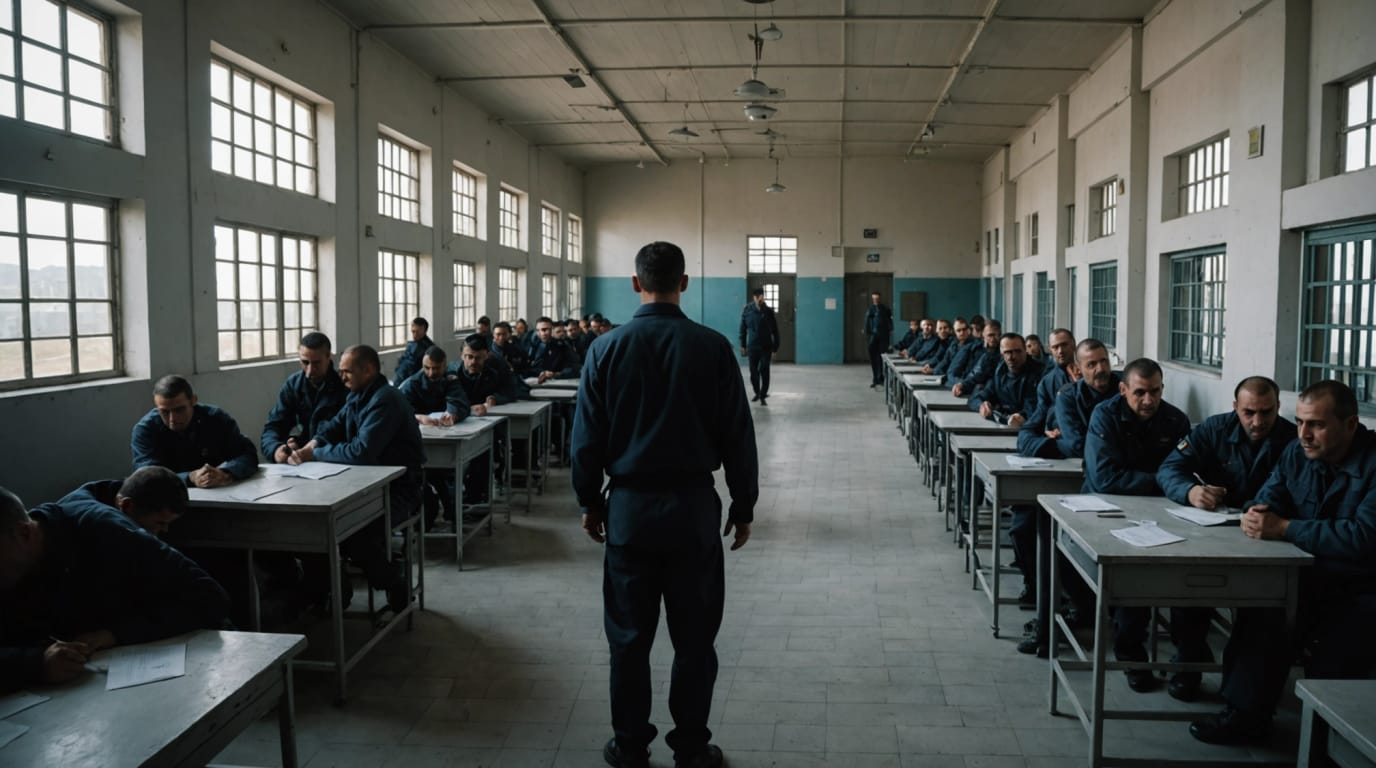
Silivri Prison, the largest penal facility in Europe, continues to be plagued by allegations of inhumane conditions, raising serious concerns about the treatment of inmates within Turkey's correctional system. Overcrowding, inadequate healthcare, and reports of mistreatment have cast a dark shadow over the institution, prompting calls for investigation and reform from human rights organizations and international bodies.
Overcapacity and Deteriorating Infrastructure
Opened in 2008, Silivri Prison, located on the outskirts of Istanbul, has become notorious for its chronic overcrowding. A 2019 report by the Turkish Parliament's Human Rights Commission revealed that the prison's inmate population had more than doubled its official capacity. This overpopulation strains the facility's resources, leading to a deterioration in living conditions and increased health risks.
The commission's report also highlighted the dilapidated state of the prison's infrastructure, noting that drinking water was being supplied through old and rusty pipes, contributing to health problems among inmates. Inmates have also complained about the inadequacy of food provisions, forcing them to supplement their meals with purchases from the prison canteen. However, even access to these supplementary items has been restricted, with a new warden reportedly limiting the availability of processed meats and canned goods.
Healthcare Deficiencies and Neglect
Access to healthcare remains a significant concern for inmates at Silivri Prison. Reports indicate a severe shortage of medical staff, including doctors and dentists, leading to delays and denials of essential treatment. Inmates have stated that they are often forced to decide amongst themselves who is in the most critical condition and should receive medical care, while others are left without attention.
The lack of adequate healthcare has been further exacerbated by unsanitary conditions within the prison. Overcrowding in the infirmary, designed for 38 people but often housing nearly 50, forces some inmates to lie on the floor. Reports of rampant scabies outbreaks underscore the dire state of hygiene within the facility.
During the COVID-19 pandemic, concerns about the health and safety of prisoners intensified. Human rights organizations warned of "alarming" conditions, citing a lack of transparency, unhygienic cells, and overcrowding. Despite government promises, prisoners reportedly lacked access to cleaning products and proper disinfection measures. In May 2020, the Bakırköy Public Prosecutor's Office announced that 44 prisoners in Silivri had tested positive for COVID-19, and one inmate with a chronic lung disease had died.
Allegations of Mistreatment and Torture
In addition to the issues of overcrowding and inadequate healthcare, Silivri Prison has been plagued by allegations of mistreatment and torture. In 2022, the Lawyers for Freedom Association (ÖHD) reported that prisoners in Silivri No. 5 Prison were subjected to beatings and coerced into attempting suicide. The association claimed that 60 wardens entered a cell, physically assaulted a prisoner, and made threatening remarks. Following the incident, six prisoners reportedly attempted suicide by taking pills.
Similar reports of abuse have emerged over the years, with inmates alleging physical violence, arbitrary restrictions, and psychological pressure from prison staff. Some have claimed that blankets used as prayer mats were confiscated, and they were prohibited from placing anything on the floor. Such actions have been interpreted as deliberate attempts to humiliate and demoralize prisoners.
Political Dimensions and Prominent Detainees
Silivri Prison has also gained notoriety for housing a large number of political prisoners, including journalists, activists, and human rights defenders. The prison became prominent during the Ergenekon case, a controversial trial targeting an alleged nationalist deep state ring. Since then, it has continued to be used to detain individuals accused of terrorism-related offenses and involvement in the 2016 coup attempt.
Among the most well-known figures currently or formerly incarcerated at Silivri are Osman Kavala, a philanthropist and civil society leader, and Ahmet Altan, a writer and journalist. Critics have blasted the charges against these individuals as baseless and politically motivated. The detention of journalists and political figures has led to concerns about freedom of expression and the rule of law in Turkey.
Calls for Reform and Accountability
The persistent reports of inhumane conditions and mistreatment at Silivri Prison have prompted widespread condemnation from human rights organizations and international bodies. These groups have called on the Turkish government to conduct thorough investigations into the allegations, hold perpetrators accountable, and implement reforms to ensure the safety and well-being of all prisoners.
In 2024, Turkey's highest appeals court awarded a prisoner, Hakan Buzhane, 100,000 liras (2,900 dollars) for moral injury, accepting his complaint regarding the inhumane living conditions due to overcrowding at Silivri Prison. The court's decision highlighted the violation of the prisoner's rights to effective remedy and the prohibition against ill-treatment.
Despite these legal challenges and ongoing criticism, significant improvements in the conditions at Silivri Prison have yet to be seen. The Turkish government faces increasing pressure to address the systemic issues within its prison system and uphold its obligations under international human rights law.
Conclusion
Silivri Prison, once envisioned as a modern correctional facility, has become a symbol of human rights concerns in Turkey. Overcrowding, inadequate healthcare, and allegations of mistreatment continue to plague the institution, raising questions about the country's commitment to the humane treatment of prisoners. As long as these issues persist, Silivri Prison will remain a focal point for human rights advocates and a stain on Turkey's reputation on the global stage.


