Doha Navigates Perilous Diplomatic Waters as Iran War Escalates
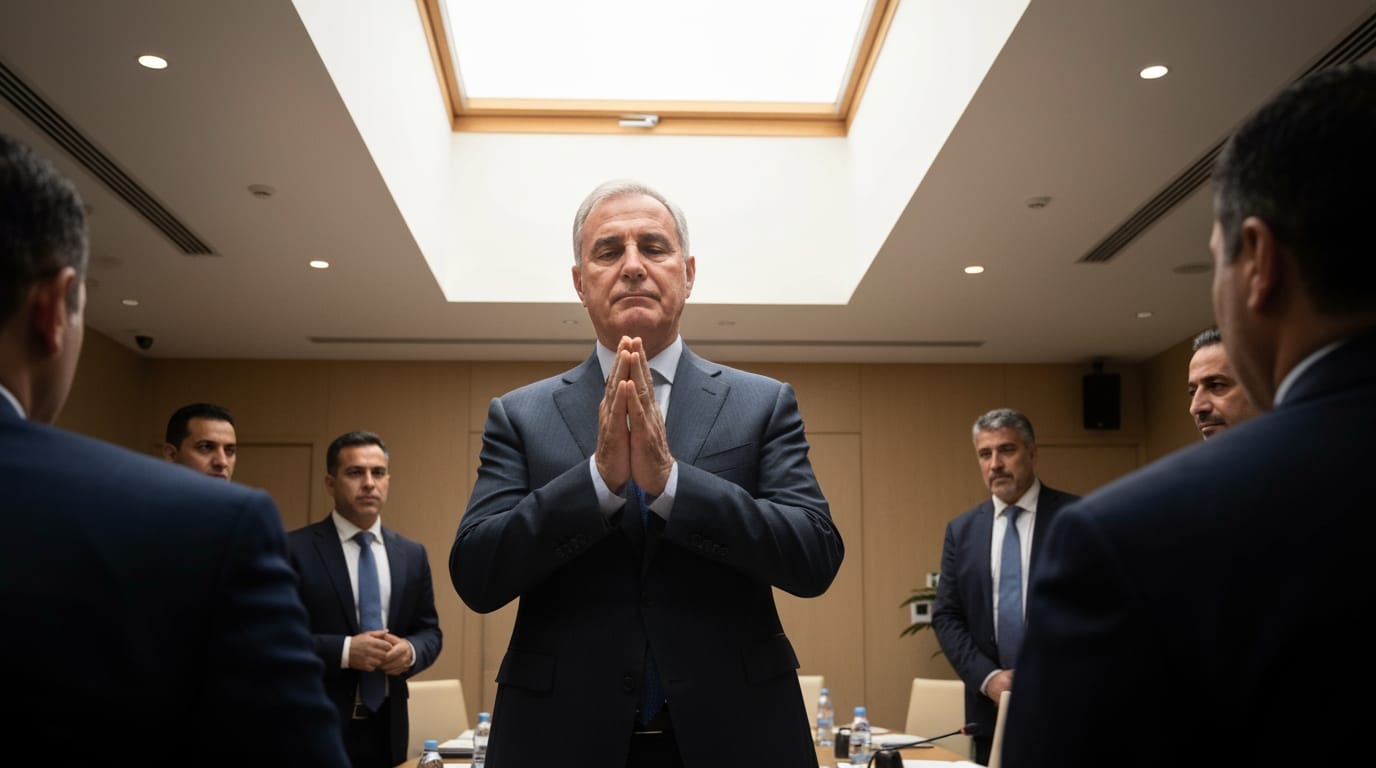
DOHA, Qatar – As the conflict involving Iran deepens across the Middle East, with Iranian attacks continuing to destabilize vital regional infrastructure, the Gulf state of Qatar has intensified its already robust diplomatic efforts, positioning itself as a critical, albeit vulnerable, mediator. Despite suffering direct hits from Iranian aggression, Doha remains steadfast in its commitment to de-escalation, championing dialogue as the singular path to avert a wider catastrophe in a region already reeling from sustained hostilities. The delicate balance Qatar strikes between its strategic alliance with the United States and its enduring channels with Tehran underscores a high-stakes gambit to salvage peace from the brink of open warfare.
The current escalation, widely referred to as the "2026 Iran war," commenced on February 28, 2026, with joint airstrikes launched by the United States and Israel targeting Iranian officials, military commanders, and strategic assets, including the reported assassination of Supreme Leader Ali Khamenei. This decisive action prompted immediate and forceful retaliation from Tehran, which unleashed a barrage of missile and drone strikes against Israel, U.S. military bases, and several Arab nations in the Middle East. Compounding the crisis, Iran moved to close the Strait of Hormuz, a crucial global maritime choke point, disrupting international shipping and sending shockwaves through energy markets. The repercussions of this intensifying conflict have been profound, with reports indicating substantial damage to civilian, energy, and military infrastructure across the Gulf region.
Qatar, a key U.S. ally hosting the largest American military installation in the Middle East—Al Udeid Air Base—found itself directly in the crosshairs of Iranian retaliation. On March 1, 2026, Iranian strikes hit the industrial district of Doha, and the Al Udeid Air Base itself was subjected to a "heavily signaled" attack in June 2025, albeit without casualties. The economic toll has been severe, with one reported strike on Qatar's liquefied natural gas (LNG) facility alone causing over $20 billion in lost revenue. Qatari officials, including the Prime Minister, have openly condemned Iran's missile and drone campaigns against Gulf states, urging an immediate halt to these attacks. Qatar's Foreign Ministry spokesman, Majed Al-Ansari, articulated a clear stance, stating that diplomatic talks with Iran are only feasible if Tehran ceases its aggressive actions. Despite these direct provocations and the significant material losses incurred, Doha has paradoxically deepened its engagement in shuttle diplomacy, navigating the complex geopolitical currents with a strategic resolve to prevent further bloodshed.
In the face of escalating aggression, Qatar has activated its well-established role as a regional and international mediator, leveraging its unique relationships with both Washington and Tehran. High-level diplomatic exchanges have become frequent, with Qatari Prime Minister and Foreign Minister Sheikh Mohammed bin Abdulrahman Al Thani engaging in telephone conversations with Iranian Foreign Minister Abbas Araghchi to discuss stability and de-escalation. Doha has consistently emphasized that dialogue represents the only viable strategic option for resolving disputes, underscoring the urgent need for all parties to engage constructively with mediation efforts to forge a sustainable agreement.
These efforts are not isolated. Qatar has been actively coordinating with other regional and international actors, including Pakistan, Turkey, and Egypt, to maintain open diplomatic channels and foster collective restraint. Earlier this year, in February 2026, Qatari Prime Minister Al Thani visited Tehran, reportedly delivering messages from the U.S. administration to senior Iranian officials, highlighting Doha's capacity for discreet "shuttle diplomacy." This mediation extends to practical outcomes; Qatar successfully facilitated a prisoner exchange between Iran and the United States in 2023, coupled with the release of frozen Iranian funds for humanitarian purposes, demonstrating its efficacy even amidst profound hostility. The concerted diplomatic offensive aims to create conditions conducive to comprehensive negotiations, with Qatar's UN envoy stressing the importance of strict adherence to any U.S.-Iran ceasefire and calling for direct dialogue between Washington and Tehran.
However, the path to peace remains fraught with significant obstacles. The tenuous ceasefire that took effect on April 8, 2026, following initial intense hostilities, has been described as being "on life support" by U.S. President Donald Trump, who rejected Iran's latest peace proposal as "totally unacceptable." Renewed clashes, particularly in and around the Strait of Hormuz, involving U.S. attacks on Iranian vessels and coastal areas, and Iranian missile and drone strikes targeting U.S. destroyers, threaten to unravel any diplomatic progress. Concerns over Iran's nuclear program also persist, with Iranian parliamentary officials threatening to enrich uranium to weapons-grade levels if further attacked, further complicating the negotiation landscape. The continuous cycle of attack and counter-attack, coupled with rhetoric from both sides, underscores the precariousness of the current situation and the immense challenges facing mediators.
Despite these formidable headwinds, Qatar's unwavering commitment to diplomacy highlights a strategic imperative rooted in regional stability and economic self-preservation. Hosting a critical U.S. military base while maintaining dialogue with a hostile Iran presents a complex dynamic, yet Doha perceives active mediation not as a choice but as a necessity. The stakes transcend regional borders, encompassing global energy security and the stability of international trade routes. Qatar's persistent calls for dialogue and its active role in facilitating communication between adversaries offer a glimmer of hope amidst a deepening crisis. The effectiveness of these efforts ultimately hinges on the willingness of all principal parties—the U.S., Israel, and Iran—to prioritize diplomatic solutions over military confrontation, a proposition that remains uncertain in the volatile geopolitical climate of 2026.


