DRC Referendum Bill Ignites Constitutional Firestorm, Raising Fears of Term Limit Erosion
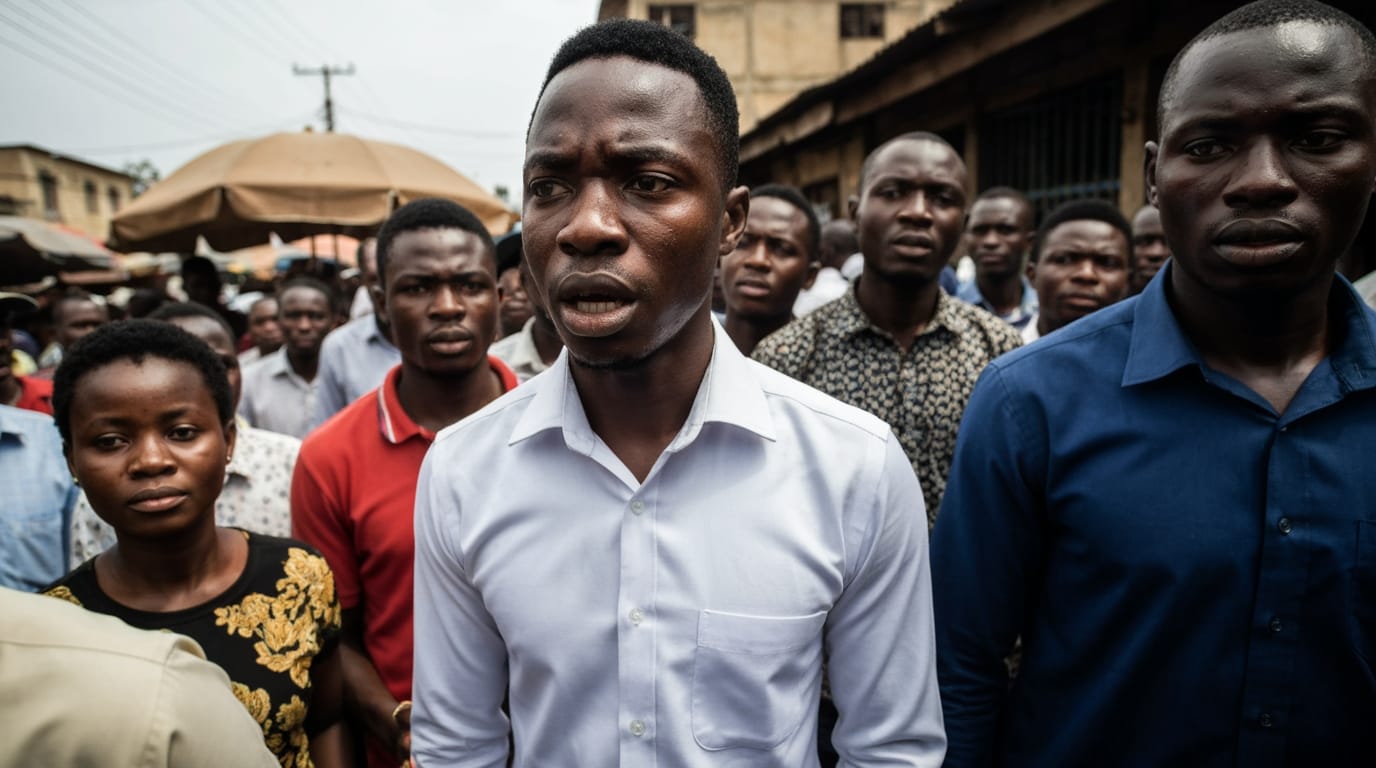
KINSHASA – The Democratic Republic of Congo (DRC) finds itself embroiled in a deepening constitutional standoff following the National Assembly's adoption of a controversial referendum bill on June 9, 2026. The proposed legislation, which now awaits Senate approval, has been met with fierce opposition, raising concerns that it could pave the way for President Félix Tshisekedi to circumvent presidential term limits and prolong his time in power. Critics view the bill as a direct threat to the country's fragile democratic institutions, while the government maintains its intention is to enhance state efficiency and modernize governance.
The Controversial Bill and its Immediate Impact
The referendum bill, if enacted, would significantly alter the legal framework governing constitutional amendments in the DRC. It is designed to replace the 2005 referendum law, granting the president expanded powers to call a national referendum. This new authority, according to opposition leaders, could be leveraged to initiate constitutional reforms that would allow President Tshisekedi to seek a third term or to reset the clock on existing term limits, currently set at two five-year mandates. The current constitution, adopted in 2006, explicitly limits presidents to two terms.
The bill stipulates that if a referendum approves the principle of constitutional change, a Constituent Assembly, comprising national and provincial elected officials, would be convened. This body would then draft and approve revisions with a three-fifths majority before the final text is submitted to a popular vote. Opposition parties have swiftly condemned the move, with a newly formed coalition describing the reforms as a "threat to democracy" and an "act of rebellion against the Republic." Nicolas Lenga, an official from the opposition Envol party, strongly criticized the initiative, invoking Article 64 of the constitution, which calls on Congolese citizens to resist any individual or group exercising power in violation of constitutional provisions.
Echoes of the Past: A History of Constitutional Contestation
The current debate is not an isolated incident but rather a potent reminder of the DRC's tumultuous history with constitutional reforms and presidential term limits. The 2006 constitution, which established the "Third Republic," was a landmark document designed to usher in an era of democratic stability after years of conflict. A particularly crucial element of this constitution is Article 220, which safeguards fundamental principles from revision, including the republican form of the state, universal suffrage, the representative system of government, judicial independence, political pluralism, and, significantly, presidential term limits.
However, over the past decade, this constitution has become a frequent subject of political contention. Prior attempts to modify the constitution, notably under former President Joseph Kabila in 2015 and subsequent years, triggered widespread protests and political tensions. Many Congolese citizens feared, and still fear, that such efforts are primarily motivated by political elites seeking to extend their grip on power rather than genuinely improve governance. Kabila himself notably overstayed his constitutional mandate by two years, a move that led to significant political unrest before Félix Tshisekedi's contentious election in 2018. This historical context fuels a deep-seated skepticism and distrust among the populace regarding any proposed constitutional changes, leading many to interpret them as political maneuvers rather than legitimate reforms.
Government's Rationale vs. Opposition's Outcry
The Tshisekedi administration defends the proposed constitutional reforms by arguing they are necessary to improve state efficiency and modernize state institutions. Proponents suggest that the current constitutional framework, adopted nearly two decades ago, no longer fully reflects the country's contemporary political and institutional realities and needs to evolve to address new governance challenges. They contend that adjustments could enhance institutional coordination and strengthen the state's capacity to respond to pressing issues like rapid population growth, urbanization, environmental degradation, and persistent insecurity.
Despite these justifications, the opposition remains deeply skeptical, perceiving the government's rhetoric as a thinly veiled attempt to consolidate power. Opposition leaders accuse Tshisekedi of an "authoritarian drift" and have pledged nationwide demonstrations to resist the initiative. The potential for the new law to lower procedural barriers to constitutional change and facilitate the revisiting of politically sensitive provisions, including term limits, is a core concern. Critics argue that such reforms could weaken the balance of power, undermine democratic safeguards, and increase political uncertainty at a time when the DRC desperately needs stability.
The Shadow of Instability: Eastern Congo and Electoral Concerns
The constitutional debate unfolds against a backdrop of severe insecurity and humanitarian crisis, particularly in the eastern regions of the DRC. The ongoing conflict with M23 rebels, allegedly backed by Rwanda, has intensified, leading to widespread displacement and human rights abuses. This instability, which has seen M23 rebels gain control of significant areas in North and South Kivu provinces, adds another layer of complexity to the political landscape.
President Tshisekedi has hinted that the persistent conflict in the east could lead to delays in the upcoming 2028 elections, a suggestion that further inflames opposition suspicions. Critics fear that using security concerns as a pretext for postponing elections or amending the constitution would represent a dangerous erosion of democratic principles. The DRC is already grappling with a deep-seated political and economic crisis, weak institutions, and pervasive corruption, making any move that could be perceived as undemocratic particularly destabilizing. The international community also watches closely, as previous constitutional manipulations have historically plunged the country into deeper crises.
Conclusion
The Democratic Republic of Congo stands at a critical crossroads. The referendum bill, having passed the National Assembly, has ignited a constitutional firestorm, pitting the government's stated goals of efficiency against the opposition's fears of democratic backsliding and presidential term limit manipulation. The historical context of constitutional contestation, coupled with the ongoing security crisis in the east, amplifies the stakes. If the bill becomes law and is used to pursue politically sensitive constitutional changes, especially regarding term limits, the nation could face heightened political tensions, widespread protests, and accusations of undermining its nascent democracy. The manner in which this process unfolds will determine whether the DRC moves towards stronger, more stable institutions or succumbs to renewed instability and a further erosion of public trust.


