Drone Strike Damages Chernobyl Protective Shell, Raising Concerns of Radiation Leak
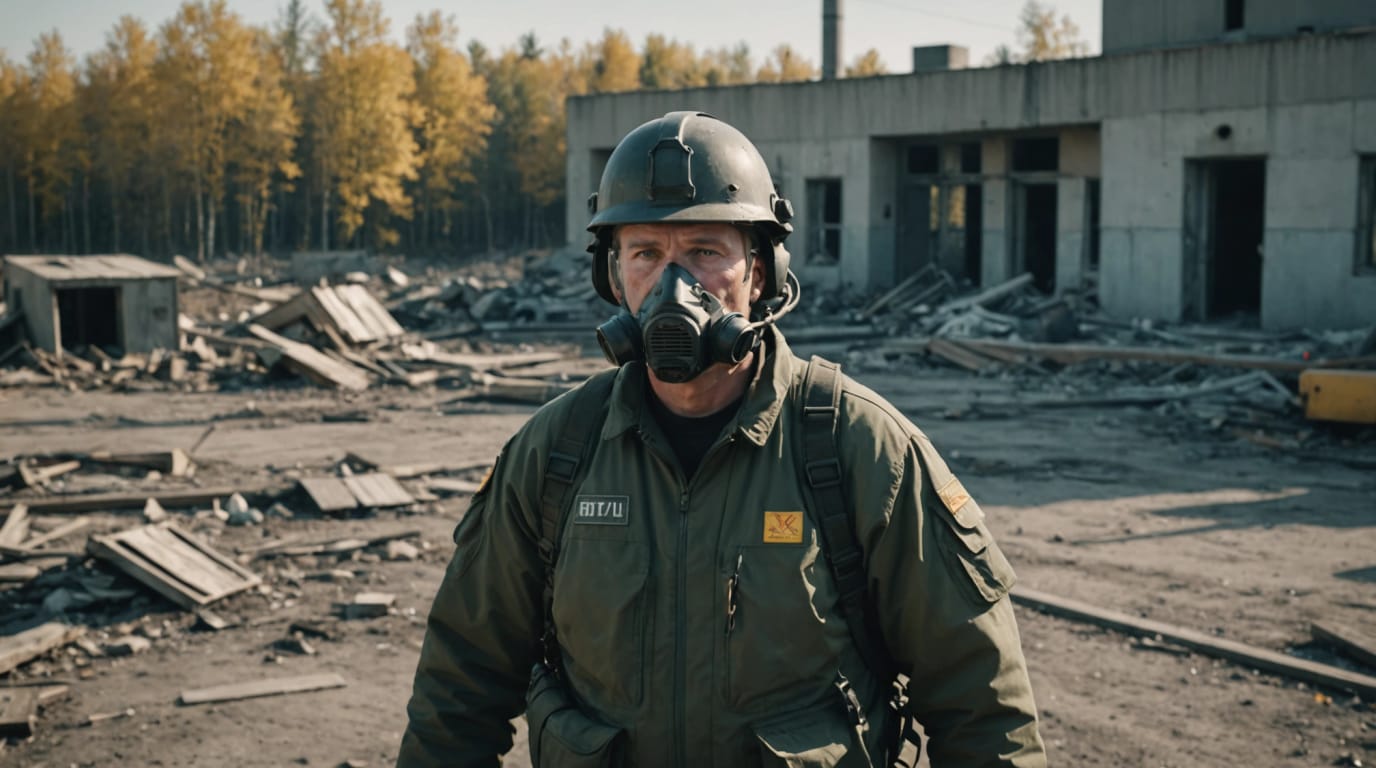
A Russian drone strike has significantly damaged the New Safe Confinement (NSC) at the Chernobyl Nuclear Power Plant, sparking fears of a potential radiation leak and jeopardizing international efforts to contain the site of the world's worst nuclear disaster. The incident, which occurred on February 14, 2025, has reignited concerns about nuclear safety in Ukraine amidst ongoing military conflict.
The Damaged New Safe Confinement
The New Safe Confinement, a massive arch-shaped structure, was completed in 2019 at a cost of approximately €1.5 billion (US$1.57 billion). Financed by over 45 donor countries and managed by the European Bank for Reconstruction and Development (EBRD), the NSC was designed to encase the destroyed Reactor No. 4 and the hastily constructed "sarcophagus" built after the 1986 disaster. Its primary purpose is to prevent the release of radioactive contaminants, protect the reactor from external threats, and facilitate the eventual dismantling of the unstable sarcophagus and the management of radioactive waste within. The NSC was built to withstand extreme temperatures, tornadoes, and earthquakes, with a lifespan of approximately 100 years.
However, the drone strike pierced the outer cladding of the NSC, creating a 15-square-meter hole and causing damage across a 200-square-meter area. The impact also ignited fires within the structure's insulation, which took three weeks to extinguish. While the inner layer of the NSC was reportedly not breached, the damage has compromised the structure's integrity and raised concerns about its ability to fulfill its intended function.
Immediate and Potential Risks
Following the attack, Ukrainian authorities and international agencies, including the International Atomic Energy Agency (IAEA), have been closely monitoring the situation. Initial reports indicated that radiation levels remained within normal limits. However, the breach in the NSC has several potential implications:
- Impaired Containment: The NSC's primary function is to contain radioactive materials. The damage compromises its ability to prevent the release of radioactive dust and other contaminants, particularly in the event of a collapse of the old sarcophagus.
- Hindered Dismantling Efforts: The NSC was designed to provide a safe environment for dismantling the unstable sarcophagus and managing the radioactive waste within. The damage complicates these efforts and could potentially delay the decommissioning process.
- Increased Corrosion Risk: The breach in the NSC's cladding exposes the inner structure to the elements, increasing the risk of corrosion and further deterioration. This could compromise the NSC's long-term stability and effectiveness.
- Compromised Pressurization: The drone strike has led to a drop in pressure within the NSC, which is no longer pressurized. This can lead to increased humidity, which could further exacerbate corrosion and other degradation processes.
Dmitry Khumenyuk of the State Scientific and Technical Center for Nuclear Energy, warns that the damage to the NSC hinders the safe dismantling of the original sarcophagus, which has 18 unstable beams and the potential for collapse. He notes that the containment is not fulfilling its function of containing the products of fission processes continuing underneath it.
International Response and Mitigation Efforts
The international community has expressed serious concern over the damage to the Chernobyl NSC and has pledged to support Ukraine in mitigating the consequences. The IAEA has maintained a continuous presence at the site, monitoring radiation levels and providing technical assistance. The European Bank for Reconstruction and Development (EBRD), which managed the NSC project, has also offered its support to ensure the site remains environmentally safe and secure.
Efforts are underway to assess the full extent of the damage and develop a plan for repairs. However, the high radiation levels within the NSC make repair work challenging and potentially dangerous. One proposed solution involves moving the entire NSC back to its original construction site for repairs, a complex and costly undertaking.
Long-Term Implications and Lessons Learned
The drone strike on the Chernobyl NSC highlights the vulnerability of nuclear facilities in conflict zones and the potential for devastating consequences. The incident underscores the need for:
- Enhanced Security Measures: Nuclear facilities require robust security measures to protect against both conventional and unconventional threats, including drone attacks.
- International Cooperation: The Chernobyl disaster and its aftermath demonstrate the importance of international cooperation in addressing nuclear safety challenges.
- Long-Term Monitoring and Maintenance: Nuclear containment structures require ongoing monitoring and maintenance to ensure their long-term integrity and effectiveness.
- Strengthening International Law: The IAEA director general has stated that attacking a nuclear facility is an absolute "no-go" and should never happen, suggesting a need to reinforce international legal frameworks regarding the protection of nuclear facilities during armed conflicts.
Chernobyl's Legacy and the Ongoing Threat
The Chernobyl disaster, which occurred on April 26, 1986, remains the worst nuclear accident in history. The explosion at Reactor No. 4 released massive amounts of radiation into the atmosphere, contaminating vast areas of Ukraine, Belarus, and Russia. The disaster resulted in immediate deaths, long-term health effects, and the displacement of hundreds of thousands of people.
While the New Safe Confinement represented a significant step forward in containing the Chernobyl site, the recent drone strike serves as a stark reminder of the ongoing risks and challenges associated with managing the legacy of the disaster. The incident underscores the need for continued vigilance and international cooperation to ensure the long-term safety and security of the Chernobyl site and to prevent future nuclear accidents.
The incident also highlights the long-term health consequences of the Chernobyl disaster, including increased risks of thyroid cancer, leukemia, and other diseases among those exposed to radiation. Mental health effects have also been identified as a significant public health consequence of the accident.
As the world reflects on the lessons learned from Chernobyl, the drone strike on the NSC serves as a sobering reminder of the enduring threat posed by nuclear accidents and the importance of safeguarding nuclear facilities in an increasingly unstable world.


