Drought-Stricken France Turns to Tankers as Water Crisis Deepens
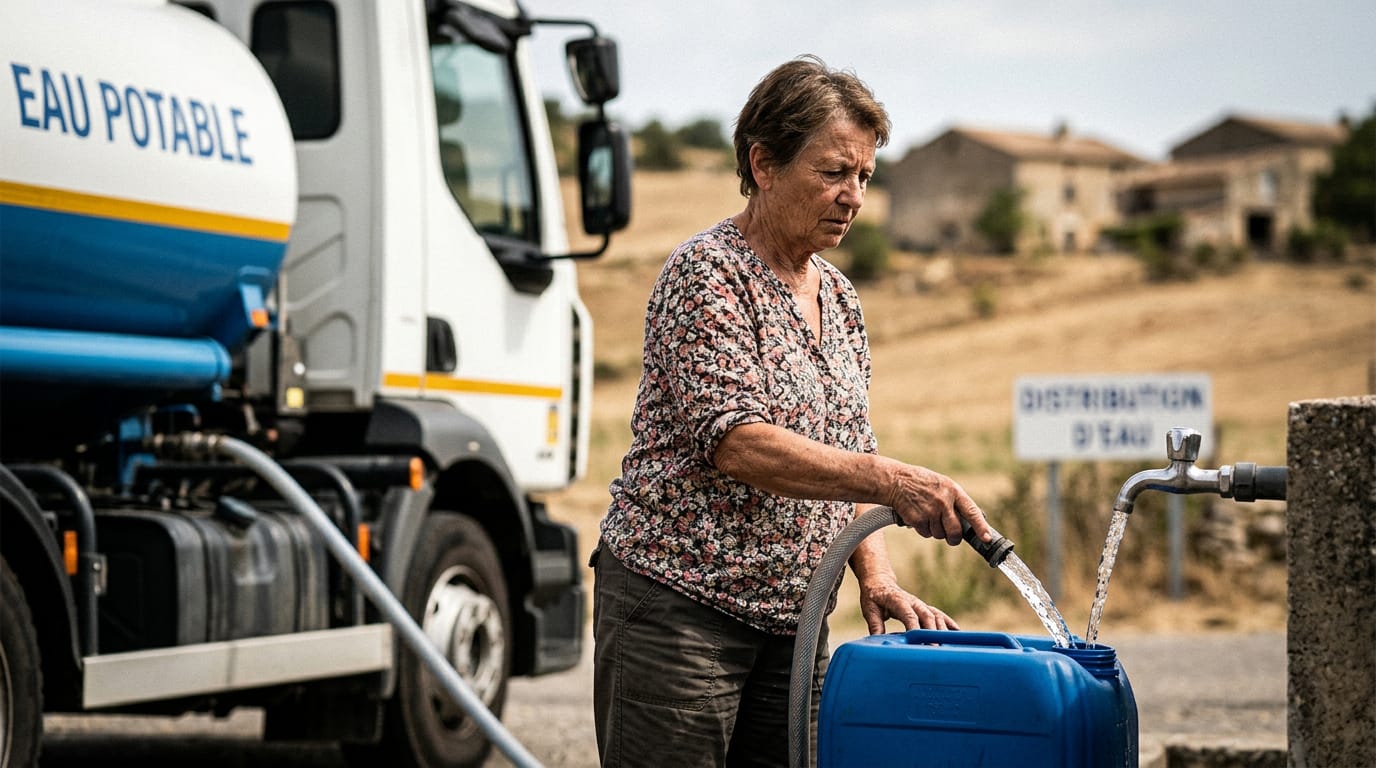
France is grappling with an unprecedented and escalating drought, forcing tens of thousands of its citizens to rely on tanker trucks for drinking water as nearly 70% of the country faces severe water restrictions. This critical situation, exacerbated by successive heatwaves and historically low rainfall, underscores the profound and immediate challenges posed by climate change to a nation not traditionally associated with widespread water scarcity. The emergency measures, while crucial for immediate relief, highlight a growing vulnerability in France's water resources and signal a pressing need for long-term adaptation strategies.
The scale of the current drought has reached alarming levels, with French authorities implementing water use limits across an extensive portion of the country. As of early August, 67 out of France's 101 departments were under the highest "crisis" alert level, signifying that water is strictly reserved for essential purposes such as drinking water, sanitation, healthcare, and civil protection. This means that activities like watering gardens, filling swimming pools, washing cars, and irrigating crops are either severely restricted or outright banned in these areas. More than 40,000 people have experienced disruptions to their regular tap water supplies, a significant increase from the 30,000 reported just weeks prior, making emergency tanker deliveries and bottled water a daily necessity for many communities. The impact is widespread, affecting not only traditionally drier southern regions but extending across all of mainland France.
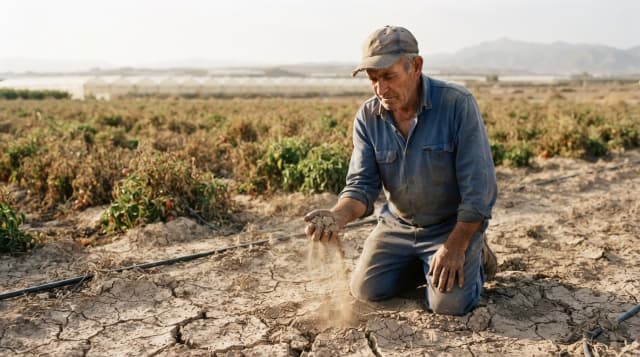
The environmental ramifications of the prolonged dry spell are stark and far-reaching. Rivers across France are experiencing unprecedented desiccation, with officials reporting that 43% of small waterways have partially or completely dried up. An analysis by the French Office for Biodiversity revealed that over 1,373 of the country's more than 3,000 small waterways have seen their flow interrupted or halted, a situation described as "the most critical ever observed at this time of year." Groundwater reserves, which supply the majority of France's drinking water, are also under immense pressure, with two-thirds of aquifers now below normal levels. This depletion is attributed to a significant shortfall in rainfall and increased water demand, particularly from agriculture and tourism.
Beyond the immediate environmental crisis, the drought is exacting a heavy economic toll on the French economy. Estimates by the Minister for Ecological Transition, Monique Barbut, suggest that the combined direct and indirect costs from this summer's heatwaves and drought could range between €10 billion and €15 billion. This figure is poised to surpass the economic impact of the 2022 drought, which cost an estimated €5.6 billion. Agriculture is a particularly hard-hit sector, facing production losses and stringent irrigation limits. Industrial operations requiring significant water withdrawals are also affected, while disruptions to hydroelectric power generation add further strain. The increasing frequency and intensity of droughts are also leading to a rise in insurance claims related to clay shrinkage in buildings, further demonstrating the widespread financial consequences. The ecological balance is also threatened, with impacts on biodiversity, aquatic species, and an elevated risk of wildfires.
In the face of these immediate challenges, water tankers have become a crucial, albeit temporary, lifeline for thousands. Local authorities, or "mairies," are organizing the dispatch of these vehicles to replenish community water towers and ensure a continued supply of potable water to residents whose taps have run dry. Bottled water is also being distributed to meet essential drinking and hygiene needs. However, these emergency logistics come at a significant financial cost. For instance, some communes face additional expenses of up to €25,000 for water deliveries over the summer, posing a considerable burden on municipal budgets. While effective in addressing acute shortages, the reliance on tankers underscores the reactive nature of current responses and highlights the urgent need for more robust, preventative water management strategies.
The current crisis is a stark manifestation of climate change, which is intensifying pressure on water resources in France and leading to more frequent and severe extreme weather events. The situation is now comparable in severity to historic droughts experienced in 1976 and 2022, with projections indicating that drought conditions are expected to worsen significantly by 2050. In response, the French government has intensified its efforts, including convening crisis meetings and urging stricter enforcement of water restrictions and inspections. Furthermore, there is a growing focus on long-term solutions, such as investments in water reuse initiatives. Projects like the treated wastewater reuse program in Argelès-sur-Mer aim to produce potable water from recycled sources, with a national objective to increase the reuse rate tenfold by 2027. Experts emphasize that while emergency management is vital, a fundamental shift towards structural water resilience, including cross-border governance and integrated river basin management, is essential to secure France's water future. The summer of 2026 serves as a critical reminder that adapting to a water-scarce future is not merely an environmental concern but a complex challenge with profound economic and social implications for the entire nation.