Dutch Police Detain 15 in Nationwide Crackdown on Islamic State TikTok Propaganda
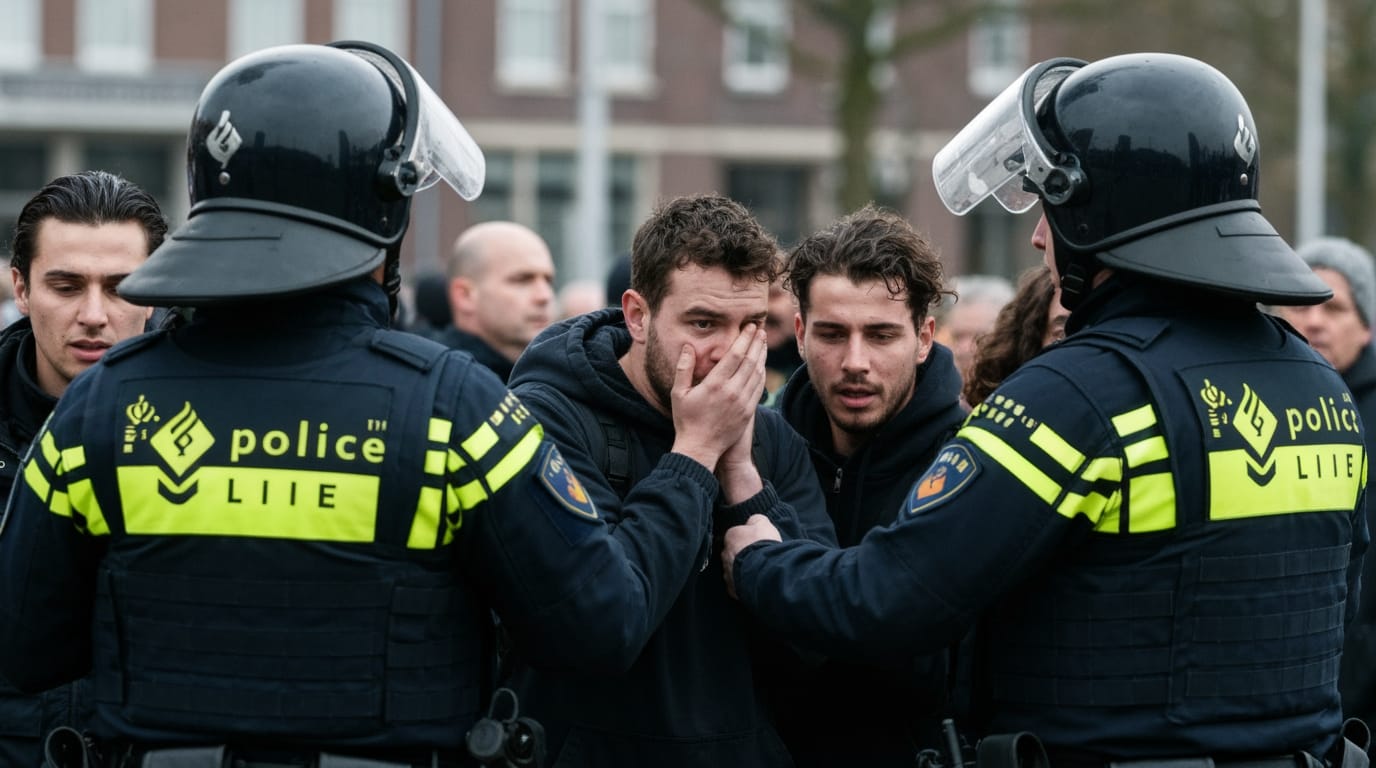
THE HAGUE, Netherlands – Dutch authorities have arrested 15 individuals across the Netherlands, including four minors, on suspicion of spreading propaganda for the Islamic State (IS) on the social media platform TikTok and attempting to incite terrorist acts. The arrests, announced Tuesday, highlight the escalating concern among European nations regarding the proliferation of extremist content online and its potential to radicalize vulnerable populations, particularly youth. The extensive operation targeted a network accused of disseminating large volumes of IS-affiliated material with Dutch subtitles, some of which garnered over 100,000 views and glorified martyrdom.
A Digital Frontline: The TikTok Investigation
The sweeping arrests were the culmination of an investigation initiated last year after police were alerted to a TikTok account actively pushing Islamic State propaganda. Prosecutors detailed that the content frequently encouraged individuals to join the violent Islamist group and lauded those who became "martyrs." The suspects, ranging in age from 16 to 53, were apprehended in raids conducted throughout the country. Among those detained, 13 are reportedly Syrian nationals, with four also holding Dutch citizenship, indicating instances of dual nationality. The alleged ringleader of the propaganda effort had been taken into custody earlier, in January. Authorities have stated that the suspects face serious charges including inciting others to commit terrorist acts, spreading IS propaganda, and membership in a terrorist organization. Further arrests have not been ruled out as the investigation continues.
The Evolving Threat of Online Extremism
The arrests underscore a significant shift in how extremist organizations, particularly the Islamic State, operate and recruit. While traditional methods persist, social media platforms have emerged as critical conduits for disseminating propaganda and radicalizing new adherents. Experts note that ISIS has been particularly adept at exploiting platforms like TikTok, Facebook, Twitter, and YouTube to reach a global audience, often crafting messages designed to appeal to younger demographics by leveraging themes of purpose and camaraderie. The easily shareable nature of short-form video content on platforms such as TikTok allows for rapid and widespread dissemination, making it a powerful tool for extremist groups to spread their ideology.
The National Coordinator for Counterterrorism and Security (NCTV) in the Netherlands has explicitly warned about the rapid online radicalization of young people, identifying it as a growing threat to national security. The NCTV's assessment indicates a rise in jihadist content created, edited, and spread by online networks predominantly composed of teenagers and young adults. This shift signals a new generation of jihadists who connect with like-minded individuals primarily through online groups, posing a real risk of individuals or groups inspired by this digital propaganda committing violent acts within the Netherlands. The number of minors arrested in the Netherlands in connection with terrorism has seen an increase in recent years, further emphasizing the vulnerability of younger individuals to online extremist narratives.
The Netherlands' Multi-pronged Counter-Terrorism Approach
In response to the evolving threat landscape, the Dutch government has intensified its efforts to combat online extremism and radicalization. The national counter-terrorism strategy for 2022-2026 highlights a comprehensive approach that includes monitoring potential terrorists, early identification of radicalized individuals, and enhanced security for at-risk people and locations. A crucial component of this strategy involves directly confronting online extremist content. Websites that promote hate speech or incite violence are targeted for removal. The government also emphasizes cooperation with social media platforms, urging the internet sector to uphold its responsibility in preventing the spread of extremist material.
Legislatively, the Netherlands is also strengthening its legal framework. The proposed legislation aims to criminalize the glorification of terrorism and public expressions of support for terrorist organizations. Under this bill, publicly praising terrorist acts that could result in life sentences, or distributing materials glorifying terrorist violence, could lead to significant prison terms and fines. This includes expressions of support for banned terrorist organizations through symbols, clothing, or social media statements. While the government believes this bill draws a clear line against unacceptable behavior, it has faced criticism from some organizations, like PAX, which warn that vague definitions could lead to arbitrary prosecutions, fuel discrimination, and potentially infringe upon freedom of expression.
A Persistent Global Challenge
These recent arrests in the Netherlands serve as a stark reminder of the persistent and adaptable nature of extremist propaganda in the digital age. The Islamic State's ability to leverage popular platforms like TikTok to reach and influence individuals, particularly youth, presents an ongoing challenge for law enforcement and counter-terrorism agencies worldwide. Combating this threat requires a dynamic, multi-faceted approach that combines robust law enforcement action, proactive monitoring of online spaces, strong collaboration with technology companies, and community-based initiatives aimed at preventing radicalization. The Netherlands, alongside its international partners, continues to navigate this complex digital battleground, seeking to safeguard its citizens from the insidious influence of extremist ideologies.


