East Asian Powers Seek Common Ground Amidst Geopolitical Tensions
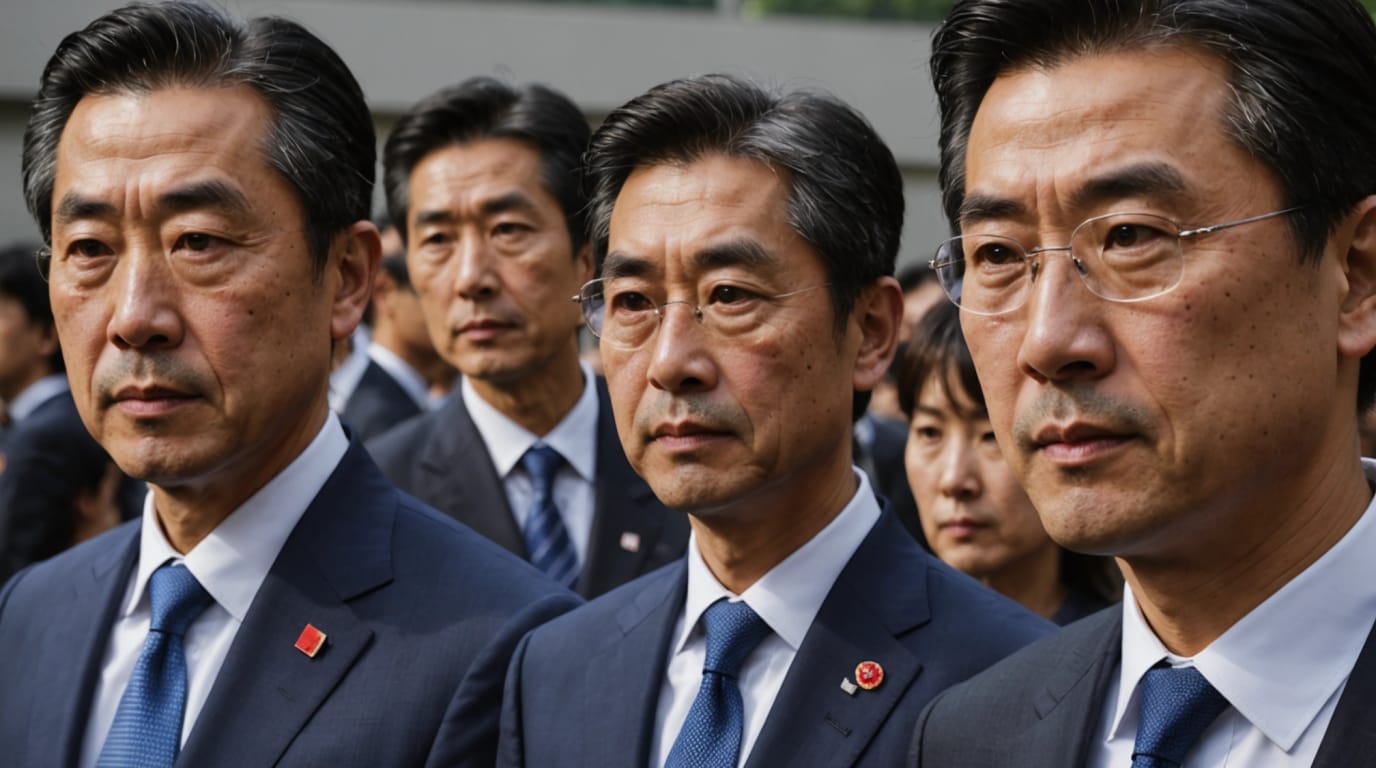
Foreign ministers from Japan, China, and South Korea convened in Tokyo on Saturday, seeking to bridge divides and identify areas of cooperation amidst a backdrop of increasing global uncertainty. The trilateral meeting, the first of its kind since 2023, underscores a renewed effort to foster stability and collaboration in the region, despite historical tensions and ongoing disputes.
High-Level Dialogue Aims to Pave Way for Future Summit
The meeting, hosted by Japanese Foreign Minister Takeshi Iwaya, with his Chinese counterpart Wang Yi and South Korean Foreign Minister Cho Tae-yul, is seen as a crucial step toward a trilateral summit planned for later this year in Japan. This high-level dialogue aims to address pressing issues ranging from regional security to economic cooperation, setting the stage for deeper engagement between the three nations.
Iwaya emphasized the significance of their cooperation, stating that it is "especially important as the world faces tension and divisions." He expressed his belief that collaboration on shared challenges could serve as a model for global cooperation.
Addressing Key Areas of Mutual Concern
The agenda for the meeting included discussions on several critical issues impacting the region and the world. These included:
- Low Birth Rates: All three nations are grappling with declining birth rates and aging populations, posing significant challenges to their economies and social welfare systems.
- Natural Disasters: Given their geographical proximity and vulnerability to earthquakes, typhoons, and other natural disasters, Japan, China, and South Korea recognize the importance of collaborating on disaster preparedness and response.
- Cultural Exchanges: Promoting people-to-people exchanges and cultural understanding is seen as a vital tool for building trust and fostering positive relations between the three countries.
- North Korea's Nuclear Ambitions: The ministers addressed North Korea's ongoing missile and nuclear development programs, a persistent threat to regional security. Cho Tae-yul emphasized that "the peace and security of the Korean Peninsula are essential conditions for peace and prosperity in East Asia and the world."
- Russia's War on Ukraine: The ongoing conflict in Ukraine and its global implications were also on the agenda, reflecting the shared concern over maintaining international peace and stability.
- Economic Cooperation: Discussions included ways to bolster economic ties and promote free trade, despite existing trade disputes and geopolitical tensions.
Balancing Cooperation with Historical and Territorial Disputes
While the trilateral meeting signifies a commitment to cooperation, it is important to acknowledge the historical and territorial disputes that continue to strain relations between the three nations. Japan's relationship with both China and South Korea has been marked by disagreements over historical issues, including wartime atrocities and territorial claims.
Specifically, disputes over a group of uninhabited islands claimed by both Japan and China, as well as China's territorial disputes in the South China Sea, remain points of contention. Similarly, the legacy of Japan's colonial rule over the Korean Peninsula continues to cast a shadow over relations between Tokyo and Seoul.
Seeking a "Future-Oriented Cooperative Relationship"
Despite these challenges, there is a growing recognition among leaders in Japan, China, and South Korea of the need to overcome historical grievances and build a more stable and cooperative future.
Japanese Prime Minister Shigeru Ishiba met separately with Wang and Cho on Friday, expressing his desire to build a "future-oriented cooperative relationship" with both countries. He acknowledged the challenges that exist between the three nations but emphasized their importance as neighbors and expressed hope for continued dialogue.
High-Level Economic Dialogue Resumes After Six-Year Hiatus
In a significant development, Japan and China held their first high-level economic dialogue since April 2019. This meeting, held separately from the trilateral discussions, focused on ways to improve economic ties and address trade imbalances.
One key issue on the agenda was China's ban on Japanese seafood imports, imposed after the release of treated wastewater from the Fukushima nuclear plant. Japan has been seeking to lift the ban, arguing that the wastewater release is safe and meets international standards.
Implications for Regional Stability and Global Geopolitics
The trilateral meeting in Tokyo carries significant implications for regional stability and global geopolitics. As major economic powers and key players in East Asia, Japan, China, and South Korea have a crucial role to play in shaping the future of the region.
Enhanced cooperation between the three nations could contribute to de-escalating tensions in the Korean Peninsula, promoting economic growth and integration, and addressing shared challenges such as climate change and public health crises.
However, the success of this trilateral initiative will depend on the ability of the three countries to manage their historical disputes, navigate their complex relationships with the United States, and find common ground on key security and economic issues.
Conclusion: A Cautious Step Towards Cooperation
The meeting of foreign ministers in Tokyo represents a cautious but important step towards greater cooperation between Japan, China, and South Korea. While significant challenges remain, the willingness of the three nations to engage in dialogue and seek common ground offers a glimmer of hope for a more stable and prosperous future in East Asia. The path forward will require sustained effort, mutual understanding, and a commitment to building trust, but the potential rewards are substantial.


