Eastern and Southern Indian States Brace for Pivotal Assembly Elections
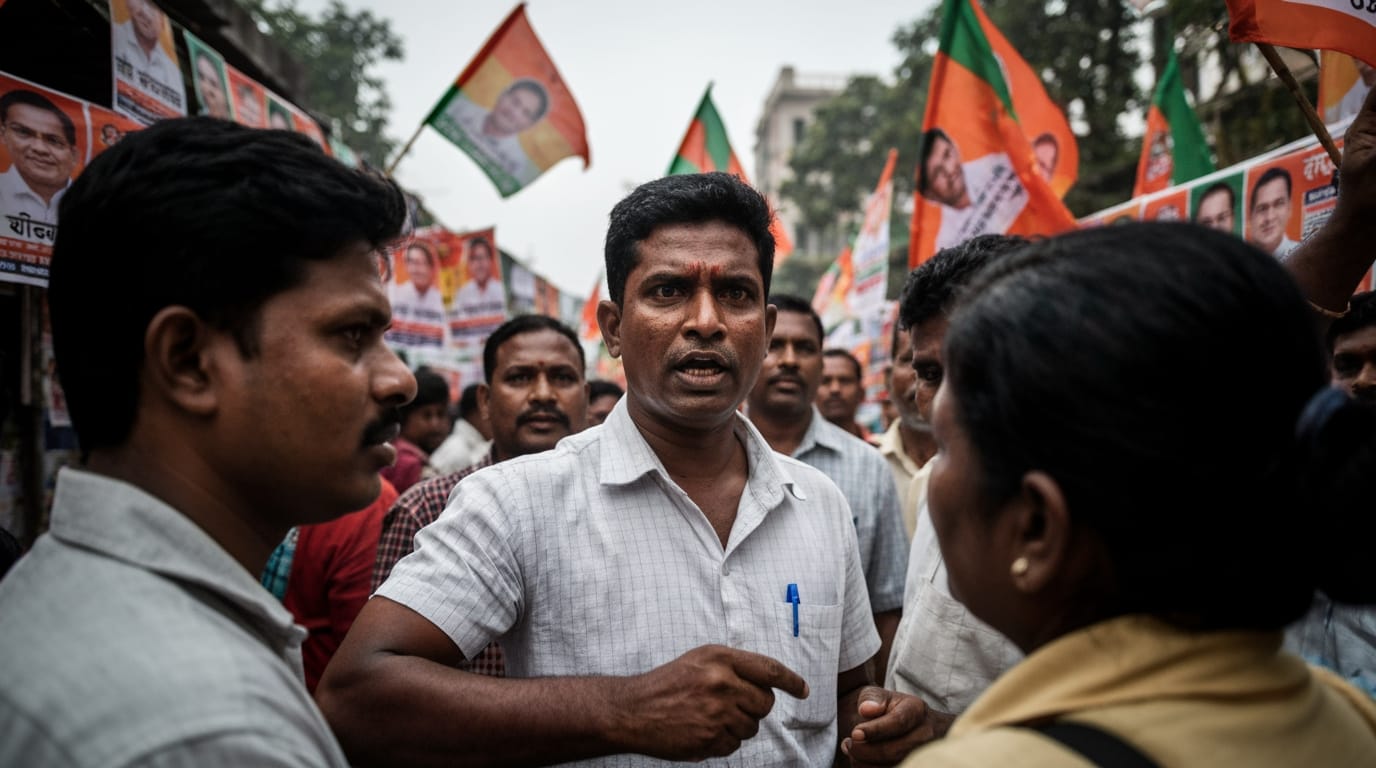
As the democratic machinery of India churns, the populous states of West Bengal and Tamil Nadu are on the brink of significant Assembly elections, with millions of voters preparing to cast their ballots in a multi-phased and single-phased exercise, respectively. This electoral endeavor, characterized by intense political campaigning, stringent security measures, and a keen focus on local issues, underscores the vibrant yet complex nature of Indian democracy. The outcomes in these states are not only critical for regional governance but also carry considerable weight in the broader national political landscape, reflecting shifting alliances and evolving voter sentiments.
The Impending Electoral Gauntlet
West Bengal, a state known for its fervent political participation, is set to undergo voting across two distinct phases for its Assembly elections. The first phase, encompassing 152 constituencies, is scheduled for April 23, followed by a second phase on April 29, which will cover the remaining 142 seats. This staggered approach reflects the logistical complexities and security considerations inherent in conducting elections across a state with 294 assembly constituencies.
Conversely, Tamil Nadu, with all its 234 assembly constituencies, is gearing up for a single-phase polling day on April 23. This streamlined schedule demands a massive, concentrated effort from election authorities and security forces to ensure a smooth and equitable process. The sheer scale of these operations, from the deployment of personnel to the management of polling stations, highlights the monumental undertaking of India's electoral commission.
High-Stakes Political Battlegrounds
In West Bengal, the electoral contest is primarily a fierce triangular battle among the ruling All India Trinamool Congress (TMC), the Bharatiya Janata Party (BJP), and a coalition of the Left Front and Indian National Congress. The TMC, led by Chief Minister Mamata Banerjee, aims to consolidate its position by emphasizing its governance achievements and welfare schemes. The BJP, having made significant inroads in recent years, presents itself as the principal challenger, focusing on issues such as alleged corruption and law and order. The Left-Congress alliance seeks to leverage historical ties and ideological alignment to regain lost ground. The political discourse has also seen discussions around women's reservation and Bengali sub-nationalism.
Tamil Nadu's political arena is dominated by a triangular contest involving the Dravida Munnetra Kazhagam (DMK), the All India Anna Dravida Munnetra Kazhagam (AIADMK), and the Bharatiya Janata Party (BJP). The DMK leads an eight-party alliance, while the AIADMK heads its own coalition. The BJP has also formed alliances with several regional parties. Key electoral battles are anticipated in various constituencies, with prominent leaders from each party vying for critical seats. The campaigns in Tamil Nadu frequently revolve around regional issues, local leadership, and promises of development, infrastructure, and education, with many young voters demanding long-term vision over short-term freebies.
Voter Engagement and Key Issues
Voter participation remains a crucial element in both states. West Bengal has historically demonstrated a high voter turnout, consistently exceeding 80% in recent assembly elections. This sustained engagement is attributed to strong party networks, intense political competition, and effective voter mobilization efforts. However, recent voter list revisions, which saw approximately 91 lakh names removed, have introduced an element of uncertainty and forced political parties to reassess their booth-level strategies. Concerns over unemployment, law and order, and corruption are prominent among the electorate, while welfare schemes and the "Matua factor" (a Hindu refugee community) also play significant roles in shaping voter sentiment.
In Tamil Nadu, while voter turnout for parliamentary elections has shown a slight decline, engagement tends to be higher in assembly elections, reflecting a stronger connection to state-level governance and local leadership. Issues such as jobs, infrastructure, and education are paramount for the youth electorate, who are increasingly vocal about accountability and a clear roadmap for the future. A notable human interest element this election season is the surge in international arrivals at Chennai and other airports, as overseas Tamils return from various countries to exercise their franchise, highlighting a deep-seated commitment to their democratic rights.
Ensuring a Fair and Secure Poll
The Election Commission of India (ECI) has implemented extensive arrangements to guarantee free, fair, and peaceful elections in both states. In West Bengal, the ECI has ordered the withdrawal of excess security from private individuals to free up state police personnel for crucial booth-level duties, a move that has drawn criticism from some political leaders. Security arrangements include the massive deployment of Central Armed Police Forces (CAPF), with over 240,000 personnel allocated for just the first phase in West Bengal, covering critical and vulnerable areas with flag marches, route marches, and confidence-building exercises. The ECI has also established a multi-layered surveillance mechanism to monitor electoral officials, from booth-level staff to district authorities, through district and state control rooms, ensuring adherence to guidelines and responsiveness to complaints. Furthermore, security cover has been removed for politicians with criminal antecedents, irrespective of party affiliation.
These comprehensive logistical and security preparations are vital for maintaining the integrity of the electoral process, especially in states with a history of politically charged environments. The ECI's meticulous planning aims to instill confidence among voters and ensure that every eligible citizen can cast their vote without fear or hindrance.
The forthcoming Assembly elections in West Bengal and Tamil Nadu represent a crucial moment for regional politics in India. With meticulous preparations by the Election Commission, intense campaigning by political parties, and engaged electorates focused on a range of local and state-specific issues, these elections are set to be a significant test of democratic strength. The outcomes will not only determine the future leadership and policy directions for millions but also offer valuable insights into the evolving political landscape of the nation.


