Eastern Europe Grapples with the Shadow of the Roma Holocaust: A Push for Recognition and Remembrance

WARSAW – Decades after the atrocities of World War II, Eastern European nations are increasingly confronting the long-neglected history of the Roma Holocaust, known as Porajmos or Samudaripen. This systematic genocide, which claimed the lives of hundreds of thousands of Roma and Sinti people, is gradually moving from the footnotes of history to the forefront of national memory, driven by a growing recognition of past injustices and the tireless advocacy of Roma communities and youth. Yet, the path to full acknowledgment and inclusive commemoration remains fraught with challenges, as historical revisionism and persistent anti-Roma sentiment continue to cast a long shadow.
The Porajmos, meaning "the devouring" or "mass killing" in Romani, saw an estimated 200,000 to 1.5 million Roma and Sinti people murdered across Nazi-occupied Europe by German forces and their collaborators. Unlike the extensively documented Jewish Holocaust, the persecution of Roma was often less coordinated but no less systematic, leading to the extermination of a significant portion of their population. Following the war, under Communist rule, the distinct suffering of Roma was largely overlooked, subsumed under a broader narrative of "victims of fascist persecution," effectively sidelining their unique experience and perpetuating a historical amnesia that lasted for decades. This historical neglect contributed to the ongoing marginalization and discrimination faced by Roma communities in the post-war era, leaving them to struggle for recognition, compensation, and justice.
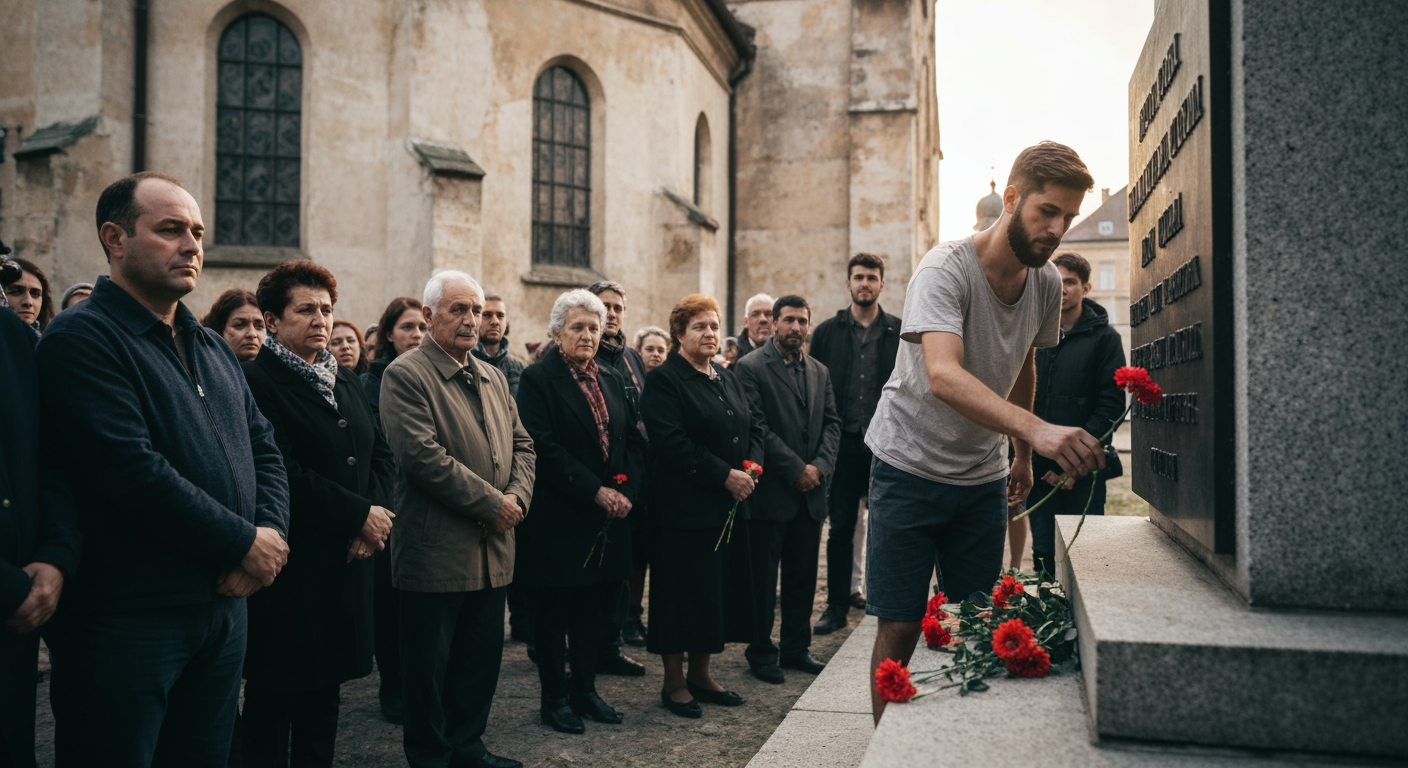
A pivotal moment in the drive for recognition is the observance of August 2nd as International Roma Holocaust Memorial Day. This date commemorates the tragic night of August 2-3, 1944, when nearly 3,000 Roma, primarily women, children, and elderly individuals, were liquidated in the "Gypsy family camp" at Auschwitz-Birkenau, gassed en masse by the SS. The European Parliament officially recognized August 2nd as the European Holocaust Memorial Day for Sinti and Roma in 2015, lending significant institutional weight to the commemoration efforts. Several Eastern European nations have since formally adopted this date, including Croatia, the Czech Republic, Lithuania, Poland, Romania, Slovakia, and Ukraine. Poland, for instance, formally recognized August 2nd as Roma Genocide Commemoration Day in 2011, with annual ceremonies held at the Auschwitz-Birkenau memorial site, bringing together survivors, activists, and international dignitaries. Hungary has also seen commemorations in Budapest, occasionally attended by government officials and diplomatic representatives, with a plaque marking the Roma Holocaust unveiled in Óbuda-Békásmegyer in 2021. While most countries coalesce around August 2nd, some, like Serbia, observe December 16th to mark Himmler's order for the systematic deportation of Roma in 1942, underscoring the varied historical timelines and localized impacts of the genocide.
Despite these advancements, significant gaps in remembrance and persistent challenges hinder a complete reckoning with the past. The Porajmos remains "one of the lesser understood" genocides, with difficulties in accurately defining victim numbers contributing to its belated recognition. Across Europe, Roma continue to face deeply ingrained prejudice, discrimination, and social exclusion, perpetuating harmful stereotypes and fostering an environment where historical facts can be distorted or denied. Questions about the motivations behind the internment of Roma, such as at the former concentration camp at Lety u Písku, where some still question if it was for "racial persecution" or to "learn how to work," illustrate the enduring struggle against historical revisionism. This ongoing anti-Roma sentiment, known as antigypsyism, fuels a climate where the lessons of the Porajmos are desperately needed but often resisted.
In response to these historical oversights and contemporary challenges, Roma activism, particularly among the younger generation, has emerged as a powerful force for change. For many young Roma, the Holocaust has become a crucial aspect of their identity and a catalyst for organized initiatives. The International Roma Youth Network (ternYpe) annually organizes the "Dikh he na bister" (Look and don't forget) initiative, mobilizing thousands of young Roma and non-Roma from across Europe to Krakow and Auschwitz-Birkenau around August 2nd. This initiative serves as a vital platform for education, remembrance, and advocacy, connecting young people with survivors' testimonies and fostering a deeper understanding of human rights. Educational efforts, such as those promoted by the Roma Education Fund and projects involving podcast creation and memorial visits for youth, aim to empower young Roma to research, discuss, and shape the narratives of their history. Organizations like the OSCE Office for Democratic Institutions and Human Rights (ODIHR) emphasize the critical need to preserve survivor testimonies as their voices diminish, stressing that education is the most potent tool to combat prejudice and ensure full recognition of the Roma genocide as an integral part of European history. These grassroots efforts, often supported by international bodies, are not only about remembering the past but also about utilizing that history as a moral tool to counter rising far-right ideologies and protect Roma communities today.
The commemoration of the Roma Holocaust in Eastern Europe is an evolving process, marked by both progress and persistent hurdles. While formal recognition and annual observances are becoming more widespread, the deeply embedded legacy of prejudice and historical neglect requires continuous vigilance and proactive engagement. The sustained efforts of Roma activists and educational initiatives, particularly those empowering the youth to reclaim and interpret their history, offer a hopeful path forward. By confronting this "forgotten" genocide, Eastern European societies can not only honor the victims of the past but also strengthen their commitment to combating contemporary antigypsyism and building truly inclusive futures where such atrocities can never again be obscured or repeated.
Sources
- auschwitzinstitute.org
- errc.org
- travellerstimes.org.uk
- againstholocaustdistortion.org
- theholocaustexplained.org
- opensocietyfoundations.org
- holocausteducation.org.uk
- europa.eu
- roma-sinti-holocaust-memorial-day.eu
- osce.org
- opensocietyfoundations.org
- roma-sinti-holocaust-memorial-day.eu
- romarchive.eu
- eriac.org
- terraforming.org
Related Articles

Mounting Frustration Grips Russia as Economic Hardship and War's Toll Deepen
Moscow, Russia – A palpable shift in public sentiment is emerging across Russia, with growing frustration among citizens fueled by a confluence of economic pressures, increasing internet restrictions, and the undeniable...

Germany's Strategic Calculus: Ukraine Aid is an Investment in European Security, Not Charity
Berlin – The ongoing provision of substantial aid to Ukraine by Germany and its allies is increasingly being framed not as an act of altruism, but as a crucial investment in European security and stability. This...