Ebola Outbreak Intensifies in Central Africa: Uganda Confirms New Cases as DRC Battles Rising Infections
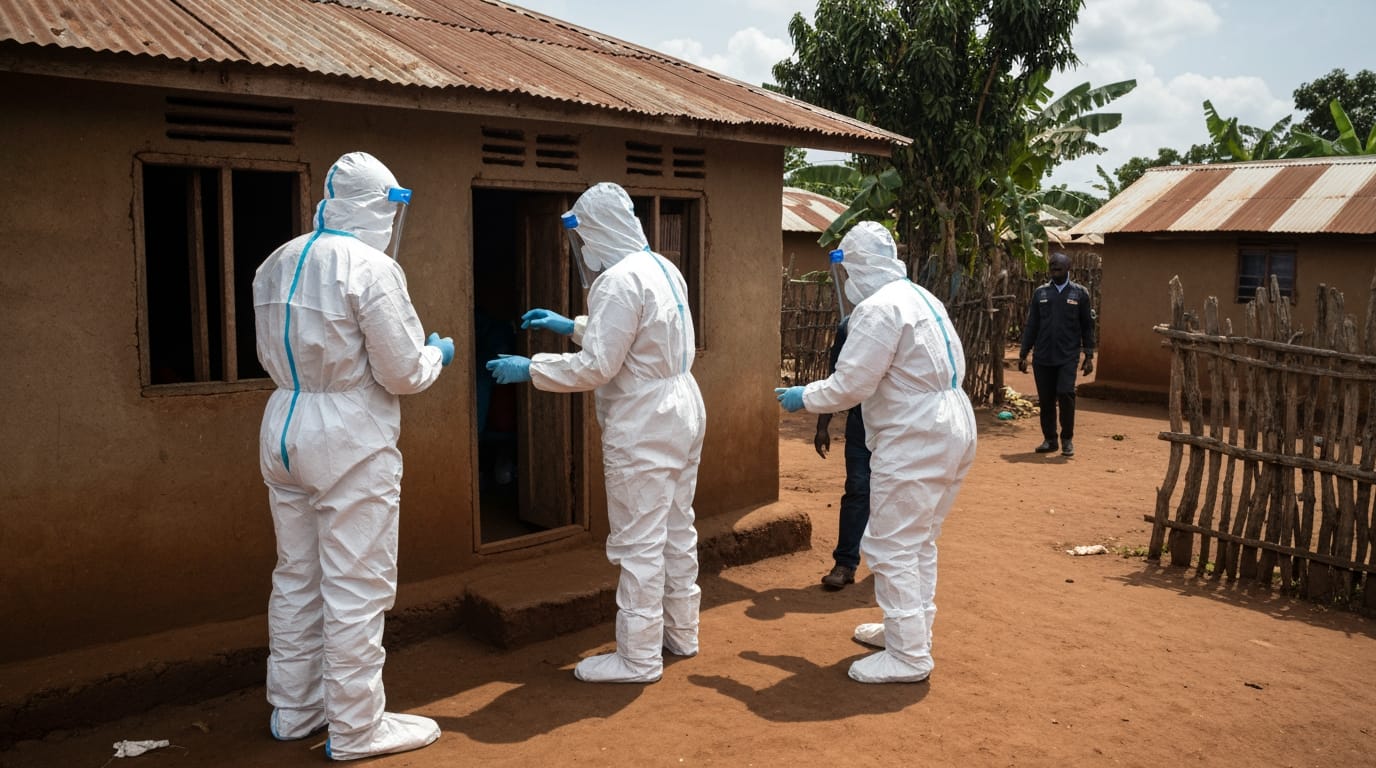
Kampala, Uganda / Bunia, Democratic Republic of Congo (DRC) – A new and challenging Ebola outbreak, driven by the rare Bundibugyo virus, is escalating across Central Africa, with Uganda confirming fresh infections while the Democratic Republic of Congo grapples with a rapidly expanding caseload. The World Health Organization (WHO) has declared the situation a Public Health Emergency of International Concern (PHEIC), underscoring the severity and cross-border threat posed by the highly contagious disease. As of May 25, 2026, Ugandan health authorities reported a total of seven confirmed cases and one death, all linked to cross-border transmission from the DRC. Meanwhile, in the DRC, suspected Ebola cases have surged past 900, with 101 confirmed cases and 10 confirmed deaths as of May 24, amid a backdrop of pervasive insecurity and humanitarian crises.
The Emergence of Bundibugyo: A Formidable Foe
Unlike previous major Ebola epidemics, the current outbreak is caused by the Bundibugyo virus (BVD), a strain for which there are currently no approved vaccines or targeted treatments. This presents a significant challenge for health authorities and international response teams, as protocols and medical countermeasures effective against the more common Zaire ebolavirus are not applicable. The Bundibugyo virus was first identified in Uganda in 2007 and has historically shown a case fatality rate ranging from 25% to 50%, which is slightly lower than some other strains but still highly lethal. Symptoms, though clinically similar to other Ebola strains – including fever, fatigue, muscle pain, vomiting, diarrhea, and in severe cases, bleeding – often overlap with other endemic diseases, complicating early detection and diagnosis. This diagnostic hurdle, coupled with the absence of specific treatments, places immense pressure on early identification, isolation, and supportive care to improve patient survival rates. The WHO's decision on May 16, 2026, to declare a PHEIC highlights the extraordinary nature of this event, its potential for international spread, and the urgent need for coordinated global action.
DRC's Deepening Crisis Amidst Insecurity and Distrust
The Democratic Republic of Congo, experiencing its 17th Ebola outbreak since 1976, is at the epicenter of the current crisis, with the highly affected Ituri Province reporting the majority of cases. As of May 24, the DRC has recorded 904 suspected cases, 101 confirmed cases, 119 suspected deaths, and 10 confirmed deaths, predominantly in Ituri, North Kivu, and Sud-Kivu provinces. The outbreak initially surfaced in Ituri Province on May 15, 2026, in health zones like Mongbwalu and Rwampara, areas already reeling from decades of conflict and instability.
The response in the DRC is severely hampered by a complex interplay of factors. Chronic insecurity, fueled by the presence of numerous armed groups, population displacement, and mining-related population movements, creates an environment ripe for viral transmission and challenging for public health interventions. Humanitarian access is frequently limited, making contact tracing and community engagement—critical pillars of Ebola containment—exceptionally difficult. Moreover, deep-seated community mistrust towards authorities and external aid organizations, often exacerbated by past experiences and misinformation, has led to resistance against public health measures, including safe burial practices. Reports of arson attacks on Ebola treatment centers further underscore the volatile and complex challenges faced by frontline responders. The humanitarian crisis in Ituri alone sees nearly a million displaced people, creating an urgent need for sustained support beyond the immediate Ebola response.
Uganda's Vigilance and Cross-Border Challenges
Neighboring Uganda finds itself on high alert, having confirmed a total of seven Ebola cases and one death directly linked to the DRC outbreak by May 25, 2026. The initial cases involved Congolese nationals who crossed the border, with subsequent infections occurring in a Ugandan driver and healthcare workers who had contact with them, highlighting the rapid potential for local transmission. These cases, detected in the capital Kampala, underscore the risk of urban spread, a scenario that amplifies the complexity of containment efforts.
Ugandan health authorities have swiftly activated surveillance, screening, and response measures, including suspending public transport to the DRC in affected areas. Border health measures, including temperature checks and mandatory hygiene protocols, are being implemented at entry points to detect potential cases. However, the porous nature of the 870-kilometer border between the two countries, coupled with significant cross-border movement for trade, mining, and family ties, makes complete containment an arduous task. The WHO has consequently raised its risk assessment for the disease to "very high" at the national level for the DRC and "high" for the regional level, acknowledging the elevated threat of wider transmission across Central Africa.
Global Response and the Quest for a Vaccine
The international community has mobilized a comprehensive response to support the affected nations. The WHO, in coordination with partners like the Centers for Disease Control and Prevention (CDC), UNICEF, Gavi (the Vaccine Alliance), Africa CDC, and Médecins Sans Frontières (MSF), is scaling up efforts in both the DRC and Uganda. These efforts focus on strengthening surveillance, contact tracing, rapid diagnostic testing, case management, infection prevention and control, and safe and dignified burials. Delivery of medical supplies, including personal protective equipment (PPE), and logistical support for responders in hard-to-reach areas are also critical components of the aid.
The United States has pledged significant support, with the Department of State mobilizing an initial $23 million in bilateral assistance and deploying a Disaster Assistance Response Team (DART) to the DRC and Uganda. The U.S. has also implemented enhanced travel screening and restrictions for non-U.S. nationals who have been in the affected countries within 21 days, directing them through designated airports. An American national who contracted the Bundibugyo virus while working in the DRC has been successfully evacuated to Germany for treatment, underscoring the international dimension of the crisis.
A major priority remains the urgent development and testing of effective vaccines and treatments for the Bundibugyo strain. Researchers are working to assess the effectiveness of existing antiviral drugs and monoclonal antibody candidates, and vaccine trials are in early stages of development. The European Commission, alongside other global partners, is supporting research and development initiatives, including a €7.4 million contribution to the WHO for a research blueprint aimed at fast-tracking clinical trials.
Conclusion
The current Ebola outbreak in the DRC and Uganda represents a severe public health challenge, heightened by the specific characteristics of the Bundibugyo virus and the complex humanitarian and security landscape of eastern DRC. The rising number of suspected cases in the DRC and the confirmed cross-border infections in Uganda underscore the urgent need for a sustained, coordinated, and multi-faceted response. While the global risk remains low, the regional implications are profound, demanding continued vigilance, robust public health interventions, and accelerated research into countermeasures for this rare and deadly strain of Ebola. The ability of affected nations and international partners to overcome insecurity, community mistrust, and the logistical hurdles will be paramount in containing this evolving health crisis and preventing further loss of life.


