Egypt Bolsters Ties with Somalia Amid Shifting Horn of Africa Geopolitics
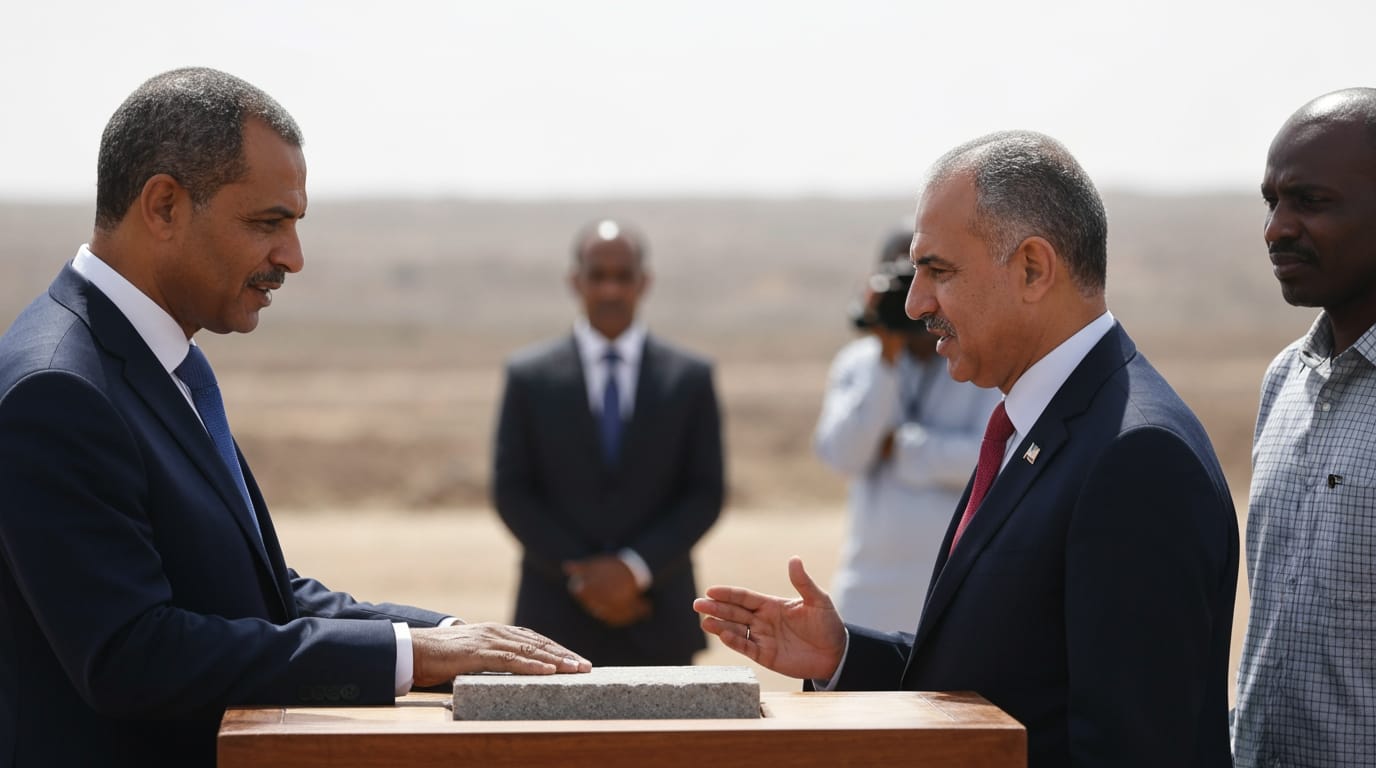
Cairo, Egypt – Egypt is significantly strengthening its diplomatic and military ties with Somalia, a strategic pivot that underscores a rapidly shifting geopolitical landscape in the Horn of Africa. This burgeoning alliance is largely a direct response to Ethiopia's controversial deal with Somalia's breakaway region of Somaliland, a move that has ignited regional tensions and prompted Cairo to assert its influence in a critical maritime corridor. The intensified cooperation signals a new phase of engagement for Egypt in the region, driven by its enduring concerns over Nile River water security and the safeguarding of Red Sea shipping lanes.
The Ethiopian Catalyst and Somali Sovereignty Concerns
The impetus for Egypt's heightened engagement stems primarily from a Memorandum of Understanding signed in January 2024 between Ethiopia and Somaliland. The agreement reportedly grants landlocked Ethiopia access to the Red Sea port of Berbera and a lease for a naval base, with Ethiopia in turn reportedly offering to recognize Somaliland's independence. This deal has been met with fierce condemnation from Somalia's federal government, which views it as a blatant violation of its sovereignty and territorial integrity. Somali officials have repeatedly rejected the agreement, emphasizing that Somaliland remains an integral part of Somalia and lacks the authority to enter such accords. This challenge to Somalia's internationally recognized borders has created a vacuum, drawing in regional and international actors, most notably Egypt, which has historically maintained interests in the stability of the Horn of Africa.
Egypt's Strategic Imperatives: Nile, Red Sea, and Regional Influence
Egypt's decision to bolster ties with Somalia is rooted in a confluence of long-standing strategic interests and emerging regional threats. A primary driver is the contentious Grand Ethiopian Renaissance Dam (GERD) on the Blue Nile. For years, Egypt has been locked in a dispute with Ethiopia over the dam's filling and operation, fearing it will drastically reduce its vital share of the Nile waters. The Ethiopia-Somaliland port deal is perceived by Cairo as another aggressive maneuver by Addis Ababa, further complicating regional stability and potentially undermining Egypt's leverage in the unresolved GERD negotiations. Egyptian Foreign Minister Sameh Shoukry articulated this concern, stating that the deal was part of a series of unilateral Ethiopian actions that disregarded the interests of other African governments and demonstrated a potential for regional unrest.
Beyond the Nile, Egypt's strategic interests extend to the critical maritime routes of the Red Sea, the Gulf of Aden, and the Bab-el-Mandeb Strait, which are vital for global trade and the security of the Suez Canal. Cairo views the prospect of Ethiopia establishing a naval presence in the Red Sea as a direct threat to its national security and regional maritime control. Furthermore, concerns have mounted in Cairo regarding potential Israeli influence in the region, particularly following reports in December 2025 that Israel had recognized Somaliland. Egypt has explicitly rejected any recognition of Somaliland's secession, stating it sets a dangerous precedent for the entire Horn. By deepening its relationship with Somalia, Egypt aims to counter what it perceives as destabilizing external influences and to establish itself as a primary security partner in the Red Sea security paradigm. This proactive stance is part of a broader strategy to form an axis with regional allies to counterbalance Ethiopia's growing power and solidify Egypt's geopolitical presence south of the Red Sea.
Deepening Bilateral Cooperation: Military and Diplomatic Fronts
The strengthened relationship between Egypt and Somalia is manifesting through tangible diplomatic and military initiatives. In February 2026, Egyptian President Abdel Fattah El-Sisi met with Somali President Hassan Sheikh Mohamud in Cairo, where discussions focused on enhancing bilateral relations and addressing regional developments. During these talks, President El-Sisi reaffirmed Egypt's "firm support for Somalia's unity, security and territorial integrity" and issued an "unequivocal rejection of any measures that infringe upon Somalia's unity, including the recognition of the independence of any part of its territory." This diplomatic backing is crucial for Somalia, which is seeking international support against the Ethiopia-Somaliland deal.
On the military front, cooperation has escalated significantly. A military cooperation protocol was signed in August 2024, followed by the Somali cabinet's approval of a joint defense agreement with Cairo, which aims for enhanced security coordination, military training, expertise exchange, and technical support for Somali forces. Egyptian military shipments reportedly began arriving in Somalia in late 2024. A significant development came with Cairo's confirmation that it would deploy forces as part of the African Union Support and Stabilization Mission in Somalia (AUSSOM). Reports indicate this deployment includes approximately 1,100 Egyptian troops, equipped with armored vehicles and air assets, positioned to support stability and counter-terrorism efforts. This move marks Egypt's first participation in an AU peace-support operation in decades and represents a strategic shift from primarily multilateral support to robust bilateral engagement, allowing Cairo a more direct relationship with the Somali government and greater operational independence in sensitive areas.
Beyond security, discussions have also encompassed expanding economic and development ties, along with enhancing air and maritime connectivity between the two nations, indicating a comprehensive approach to the strategic partnership.
A New Chapter in Horn of Africa Geopolitics
The deepening alliance between Egypt and Somalia marks a pivotal moment for the Horn of Africa, an already complex region grappling with multiple conflicts and external influences. Egypt's increased military and diplomatic presence directly challenges Ethiopia's regional ambitions and introduces a new dynamic into the long-standing rivalry between Cairo and Addis Ababa. While officially framed as support for Somalia's stability and counter-terrorism efforts, the engagement is undeniably linked to the broader geopolitical contest for influence and security control over vital waterways and resources.
This strategic alignment underscores the intricate web of interdependencies and rivalries that define the region. For Somalia, the strengthened ties offer a much-needed international partner willing to champion its territorial integrity. For Egypt, it provides a crucial platform to safeguard its water security interests, protect Red Sea navigation, and project power in a strategically vital area. However, this escalating engagement also carries the risk of intensifying regional competition and potentially transforming Somalia into an arena for proxy conflicts, demanding careful management from all parties to prevent further destabilization in an already volatile part of the world. The long-term implications of this burgeoning alliance will undoubtedly shape the future of regional stability and the balance of power in the Horn of Africa.