Venezuela Grapples with Amnesty Law: A Path to Reconciliation or Renewed Discord?
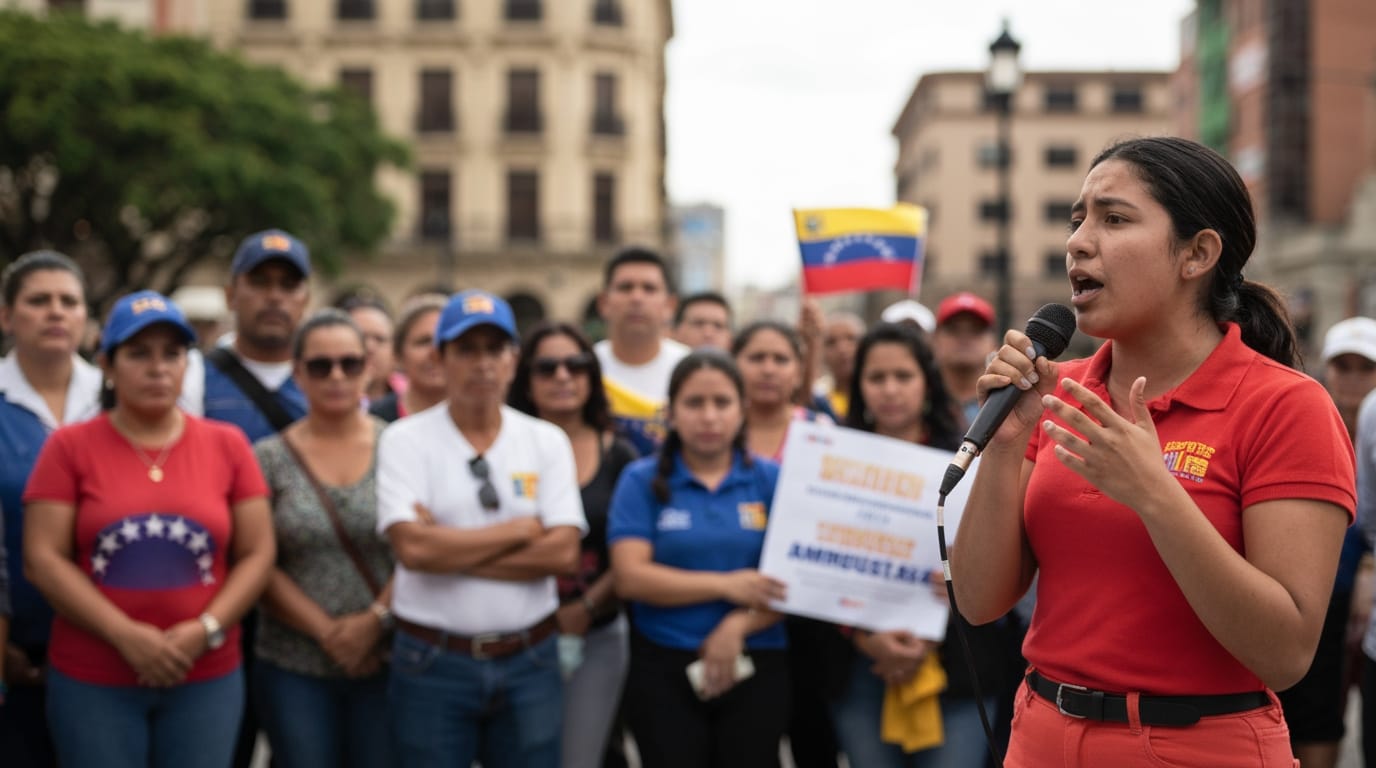
CARACAS, VENEZUELA – Venezuela stands at a critical juncture as its National Assembly deliberates a sweeping amnesty law, a legislative initiative poised to redefine the nation's political landscape following years of profound internal strife. Proposed by interim President Delcy Rodríguez, the "Amnesty Law for Democratic Coexistence" aims to grant clemency to hundreds of individuals jailed or exiled for political reasons, spanning an extensive period from 1999 to early 2026. While hailed by proponents as a vital step towards peace and national reconciliation, the measure is viewed with cautious optimism by human rights advocates and skepticism by segments of the opposition, highlighting the deep-seated divisions that continue to challenge Venezuela's pursuit of stability.
The Genesis of a Contentious Conciliation
The push for a new amnesty law gained significant momentum in the wake of former President Nicolás Maduro's capture by U.S. forces in January 2026, an event that ushered in a period of political recalibration and the ascendancy of interim President Delcy Rodríguez. Her administration has positioned the law as a cornerstone for healing national wounds and fostering democratic coexistence. The proposed legislation broadly targets individuals accused of political crimes such as treason, terrorism, rebellion, and promoting hatred during protests. Crucially, it also seeks to lift bans preventing opposition figures from holding public office and facilitate the return of exiles, signaling a potential softening of state repression that has characterized Venezuelan politics for nearly three decades.
The scope of the law is ambitious, intended to cover actions committed between January 1, 1999, and January 30, 2026, encompassing significant periods of political turmoil under both the late President Hugo Chávez and his successor. This broad timeline reflects an attempt to address a long history of political grievances, from the 2002 coup attempt to protests following the 2013 and 2024 presidential elections. The National Assembly unanimously passed the bill in its first reading on February 5, a rare display of legislative consensus that initially fueled hopes for swift adoption.
Navigating Contentious Clauses and Exclusions
Despite the initial unanimous vote, the path to final approval has encountered hurdles. The second reading of the bill, originally scheduled for February 12, was postponed due to significant disagreements over its practical application. A key point of contention involves a clause requiring prospective beneficiaries to appear in court to formally request amnesty. While pro-government lawmakers argue this step is essential for individuals to acknowledge their past actions, opposition figures and human rights groups contend it undermines the very spirit of amnesty, suggesting that clemency should be automatic for those covered by the law.
Furthermore, the law explicitly excludes individuals implicated in grave offenses, including corruption, murder, drug trafficking, human rights violations, and crimes against humanity. While this exclusion aligns with international human rights standards that prohibit impunity for such crimes, some human rights organizations express concern that the broad definition of "political crimes" might not adequately capture all forms of politically motivated persecution, especially when ordinary criminal charges have historically been used to target dissidents. The precise wording and the interpretation of these exclusions remain a critical area of debate, potentially determining the true reach and impact of the law.
Partial Releases and Lingering Skepticism
Even as the legislative debate continues, the interim government has initiated a process of prisoner releases, a move welcomed but closely scrutinized by international observers and human rights organizations. Since January 8, more than 300 political prisoners have been freed, with an additional 17 released on February 14, 2026. National Assembly President Jorge Rodríguez indicated that these releases are occurring "under the Amnesty Law," even before its final enactment.
However, human rights groups like Foro Penal report that several hundred political prisoners still remain in detention, highlighting the selective nature of the current releases and the ongoing need for a comprehensive framework. The United Nations Independent International Fact-Finding Mission on Venezuela has cautiously endorsed the draft law, stressing the imperative for a transparent and inclusive process that prioritizes accountability and the meaningful participation of victims and civil society. Concerns persist regarding the absence of broad public consultations and the potential for a narrow scope to exclude many individuals persecuted for political reasons.
Broader Implications for Venezuela's Future
The amnesty law is more than a legal instrument; it is a profound political statement, signaling a potential shift in governance and an acknowledgment of the deep divisions that have plagued Venezuela. Interim President Rodríguez and other government figures have framed the law as an essential element for fostering social peace and national unity, claiming it helps "heal the wounds left by political confrontation." This stance marks a departure from previous government positions that often denied the existence of political prisoners.
For many, the law represents a glimmer of hope for a more inclusive political future. Opposition leader María Corina Machado described the initiative as an "irreversible path toward democracy and reconciliation." Nevertheless, the historical context of previous failed amnesty attempts and the continued lack of full transparency raise questions about the long-term effectiveness and sincerity of the current effort. The ability of the law to genuinely address past injustices, secure the return of exiles, and prevent future political persecution will ultimately determine whether it serves as a true catalyst for reconciliation or merely another chapter in Venezuela's complex political saga.
As the National Assembly prepares for further debate on February 19, all eyes remain on Caracas. The success of Venezuela's amnesty law hinges not just on its legal provisions, but on the political will to implement it equitably, transparently, and with genuine commitment to the rights and dignity of all Venezuelans.