Transatlantic Tensions Ease as Rubio's Reassuring Tone Signals Potential US Shift at Munich Conference
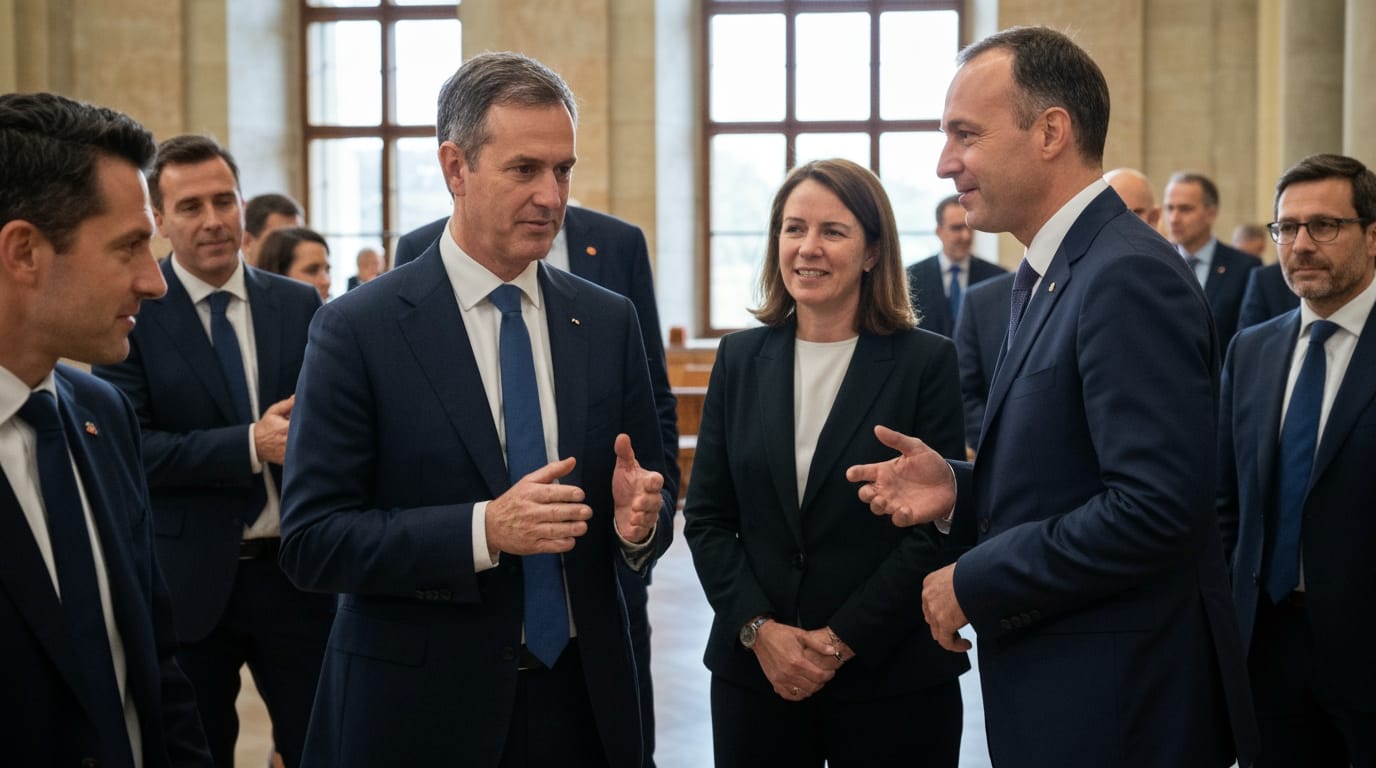
Munich, Germany – A palpable sigh of relief rippled through the annual Munich Security Conference on Saturday as U.S. Secretary of State Marco Rubio delivered a distinctly more conciliatory message to European leaders, signaling a potential shift in America's often contentious rhetoric toward its traditional allies. After more than a year of strained transatlantic relations marked by aggressive language and unilateral policy threats from Washington, Rubio's address was widely welcomed as a much-needed olive branch, though European officials urged continued vigilance and a renewed push for greater strategic independence.
The Munich Moment: A Deliberate Pivot
Secretary Rubio's eagerly anticipated speech arrived at a critical juncture for the transatlantic alliance, following a period characterized by deep divisions and a questioning of fundamental shared values. Speaking on February 14, 2026, Rubio adopted a notably softer, yet still resolute, tone compared to previous high-level U.S. pronouncements. He unequivocally asserted that the United States and Europe "belong together" and "will always be intertwined," emphasizing Washington's desire to "revitalise" the transatlantic alliance. This message stood in stark contrast to the previous year's Munich Security Conference, where Vice President JD Vance had delivered a "blistering attack" on European values and policies, leaving many attendees stunned and further deepening the existing rifts.
Rubio's remarks on Saturday were carefully crafted to acknowledge America's "centuries-long roots in Europe," framing the relationship as one bound by "the deepest bonds that nations could share, forged by centuries of shared history, Christian faith, culture, heritage, language, ancestry and the sacrifices our forefathers made together." He stressed that while the United States was prepared to act alone if necessary, its clear preference and hope were to collaborate with its European friends in a mission of global "renewal." Observers noted that while the underlying policy objectives of the Trump administration, such as urging Europe to assume greater responsibility for its own defense, remained evident, Rubio presented these demands with a diplomatic finesse largely absent in preceding interactions. This deliberate pivot in communication was seen as an effort to mend fences and foster a more constructive dialogue after considerable friction.
European Reception: Relief Mixed with Resolve
The immediate reaction from European officials ranged from cautious optimism to a reaffirmation of the need for greater self-reliance. European Union Commission President Ursula von der Leyen described Rubio's speech as "very reassuring." Wolfgang Ischinger, the chairman of the Munich Security Conference, remarked that a "sigh of relief" had passed through the hall, highlighting the stark difference from the previous year's contentious exchange.
However, this relief was often tempered with a pragmatic acknowledgment that the fundamental challenges in the transatlantic relationship, while momentarily smoothed by Rubio's tone, still persisted. Estonian Defense Minister Hanno Pevkur, while calling it a "good speech," quickly added that it did not mean Europe could "rest on pillows now," stressing that "still a lot of work has to be done." Similarly, British Prime Minister Keir Starmer cautioned against falling into "the warm bath of complacency." These reactions underscore a broader European consensus that while a more respectful tone from Washington is appreciated, the past year's experiences have instilled a lasting impetus for Europe to enhance its strategic autonomy.
Leading European figures, including von der Leyen and German Chancellor Friedrich Merz, reiterated calls for Europe to become more independent, particularly in defense and digital sovereignty. Chancellor Merz, who opened the conference, had earlier emphasized the necessity for the U.S. and Europe to "repair and revive trans-Atlantic trust together," asserting that even the United States could not navigate the complex global landscape alone. This sentiment reflects a growing determination among European capitals to forge a "new trans-Atlantic partnership" based on shared responsibility and a robust European pillar of defense.
The Geopolitical Backdrop: A Year of Discord
Rubio's speech came against a backdrop of unprecedented strain in U.S.-European relations. The preceding year saw a series of policy decisions and pronouncements from the Trump administration that significantly eroded trust and caused widespread concern across the continent. These included threats to impose tariffs on European goods, and, most notably, President Trump's short-lived, yet deeply unsettling, proposal to acquire Greenland from Denmark. Such actions, coupled with Vice President Vance's harsh critique of European democracy and values at the previous Munich conference, led many European leaders to question the reliability of their long-standing ally.
The U.S. National Security Strategy, released months prior to the conference, further exacerbated anxieties by warning of "civilizational erasure" in Europe due to immigration and characterizing the continent as lacking "self-confidence." French President Emmanuel Macron had previously voiced strong criticism, describing the Trump administration as "openly anti-European" and actively seeking the European Union's "dismemberment." This period of discord had spurred a "shift in mindset" within Europe, with NATO allies, under pressure from Washington, agreeing to significant increases in defense spending and a greater emphasis on European leadership within the alliance.
Persistent Differences Amidst Unity Calls
Despite the overarching theme of unity and shared heritage, Rubio's speech did not shy away from reiterating some of the Trump administration's core policy tenets that remain points of contention with European partners. He echoed concerns about "mass migration" and its potential for "destabilizing societies" in the West, a consistent theme of the administration. Rubio also expressed skepticism regarding certain aspects of globalization, open borders, and unfettered free trade, policies generally favored by many European nations. His criticism extended to climate change initiatives and the perceived ineffectiveness of the United Nations, arguing that the global body "has no answers and has played virtually no role" in addressing pressing international matters.
These lingering points of divergence highlight the complex balancing act Rubio attempted to perform: reassuring allies of America's commitment to the alliance while simultaneously advocating for the administration's distinct worldview. German Chancellor Merz had made it clear that Europe would continue to uphold its values concerning free speech, climate change agreements, and free trade, firmly rejecting the "culture war" and protectionist tendencies that have characterized some of Washington's recent policies.
The Path Forward: A Cautious Renewal
Secretary Rubio's speech at the Munich Security Conference represents a pivotal moment in transatlantic relations, offering a much-needed diplomatic opening after a period of intense strain. While the softer tone provided immediate reassurance, European leaders are far from complacent, signaling a determination to solidify their own strategic capabilities and voice on the global stage. The enduring ties of history and shared values were powerfully invoked by Rubio, yet the underlying policy differences and the memory of recent discord underscore that a full restoration of trust will require sustained effort and genuine partnership from both sides of the Atlantic. The conference concluded with a cautious sense of renewed engagement, as allies looked towards a future where shared challenges are met with collective strength, even as Europe increasingly asserts its own independent role.