Egypt's Precarious Path: Navigating the Geopolitical Storm of the Iran War
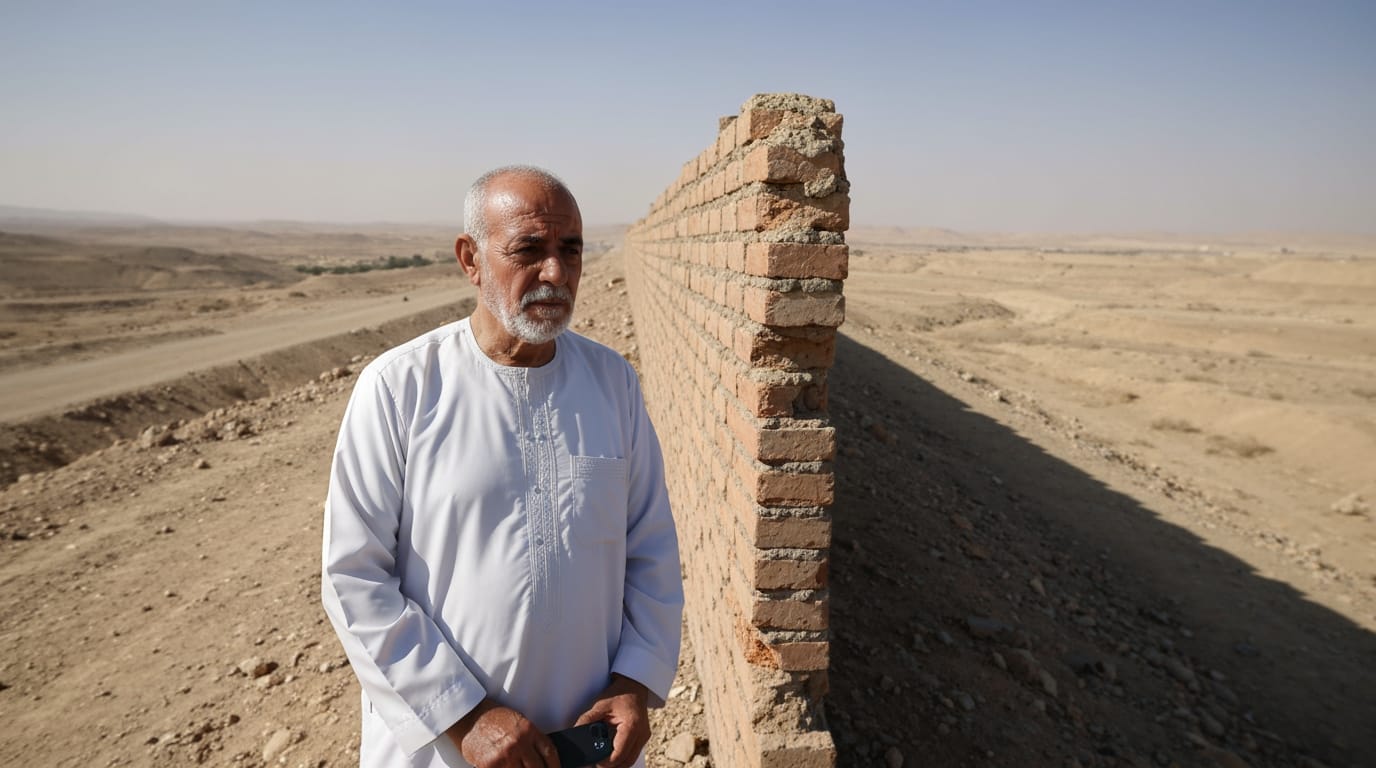
Cairo, Egypt – As the Middle East grapples with the fallout of an escalating conflict involving the United States, Israel, and Iran, Egypt finds itself treading a perilous tightrope, meticulously balancing its strategic alliances, economic imperatives, and deep-seated commitment to regional stability. The recent intensification of hostilities has thrust Cairo into a complex diplomatic dance, aiming to de-escalate tensions while safeguarding its vital national interests.
The conflict, which saw a significant escalation around late February 2026 with U.S.-Israeli military operations against Iran and subsequent Iranian retaliatory strikes on Gulf states, has reshaped the regional security landscape. Egypt, a traditional bulwark of Arab influence, has responded with a nuanced approach, prioritizing a diplomatic resolution and a rejection of broader military entanglement.
The Regional Crucible: A Conflict Cairo Didn't Seek
The outbreak of what has become known as the "Iran war" has placed immense pressure on an already volatile region. While Egypt condemned Iran's attacks on "brotherly Arab nations," its official stance notably avoided public condemnation of the initial U.S.-Israeli strikes on Iranian targets. This reflects a delicate strategic calculus, acknowledging its deep partnerships with the United States and key Gulf allies, primarily Saudi Arabia and the United Arab Emirates, while simultaneously seeking to prevent a wider conflagration that would inevitably destabilize its own borders and economy.
President Abdel Fattah el-Sisi has been vocal in his appeals for de-escalation, urging international powers, including the United States, to facilitate a lasting peace. Cairo's foreign policy establishment views the potential collapse of the Iranian state as extremely dangerous, preferring a stable and unified Iran to the chaos of state failure near its borders, a sentiment rooted in its own historical experiences.
Economic Imperatives Drive Diplomatic Engagement
Egypt's geopolitical balancing act is heavily influenced by its fragile economic reality. The nation's economy is highly susceptible to external shocks, relying significantly on Suez Canal revenues, tourism, and financial support from Gulf states. The regional instability triggered by the conflict has already inflicted considerable economic damage. Disruptions in Red Sea shipping lanes, exacerbated by Houthi attacks, have diverted vessels and significantly reduced Suez Canal revenues, costing Egypt an estimated $800 million per month at one point. The war has also led to increased fuel prices and a depreciation of the Egyptian pound, impacting the daily lives of its citizens.
To mitigate these economic pressures, Cairo has intensified its diplomatic outreach. It has actively worked with partners like Pakistan, Turkey, and Saudi Arabia to mediate and de-escalate the conflict. Furthermore, Egypt has leveraged its strategic position to secure ongoing financial backing from Gulf states, which historically have provided critical lifelines during periods of domestic strain. The need for economic recovery is a primary driver behind Egypt's pursuit of a diplomatic resolution, seeking to restore stability that encourages foreign investment and tourism.
Red Sea Security: A Zone of Exclusive Responsibility
A core pillar of Egypt's strategy is its firm assertion of the Red Sea's security as the "exclusive responsibility" of its littoral states. This position, articulated by President el-Sisi in February 2026, explicitly rejects external interventions—whether regional or international—aimed at dominating this critical maritime corridor. While broadly aimed at external actors, this stance notably targets Israeli interventions and expansion toward the Red Sea, particularly following Israel's recognition of Somaliland's independence in January 2026, which Cairo perceives as an attempt to establish a new reality and access points in the region.
Egypt, in coordination with countries like Eritrea, is actively seeking to establish a local bloc of coastal states to counter any imposed faits accomplis in the Red Sea. This push for regional autonomy in Red Sea security reflects Cairo's deep concern over anything that could disrupt international shipping, including threats to the Suez Canal, a linchpin of its economy. The European Union has also recognized the importance of Egypt's role in maritime security, providing significant defense funding to enhance its capabilities in the Mediterranean and Red Sea.
Navigating Alliances and Historical Tensions
Egypt's relationship with Iran has been strained for decades, largely stemming from the 1979 Iranian Revolution and Cairo's subsequent alignment with the United States and the Gulf. This historical context informs Egypt's current posture, which seeks to contain Iranian influence without engaging in direct confrontation. Its alignment with Saudi Arabia and the UAE against Iran is not solely ideological but also rooted in economic dependence and shared security concerns regarding Red Sea stability and Iranian-backed groups like the Houthis.
Despite this alignment, Egypt maintains a degree of strategic flexibility, aiming to avoid absolute dependence on any single power bloc. Cairo has also engaged in dialogue with Iran, with high-level calls between President el-Sisi and Iranian President Masoud Pezeshkian, where Egypt has outlined its diplomatic efforts to de-escalate tensions. This intricate dance underscores Egypt's aspiration to restore its traditional influence as a leading Arab power, capable of mediating and shaping regional security arrangements.
Conclusion: A Wary Gaze Towards the Future
Egypt's delicate balancing act in the ongoing Iran war highlights its strategic vulnerability and its enduring commitment to regional stability, albeit driven by profound economic and security considerations. While Cairo has deftly avoided direct military involvement, the conflict continues to cast a long shadow over its economic prospects and regional influence. Its persistent calls for a swift U.S.-Iran agreement and its efforts to consolidate Red Sea security among littoral states are testaments to its core objective: to limit damage, promote de-escalation, and protect its national interests amidst a deeply uncertain regional future. The success of Egypt's strategy will largely depend on its ability to sustain its diplomatic leverage and adapt to an ever-shifting geopolitical landscape, even as it contends with its own internal challenges.