Switzerland Faces Landmark Vote on Population Cap Amid Economic and Identity Concerns
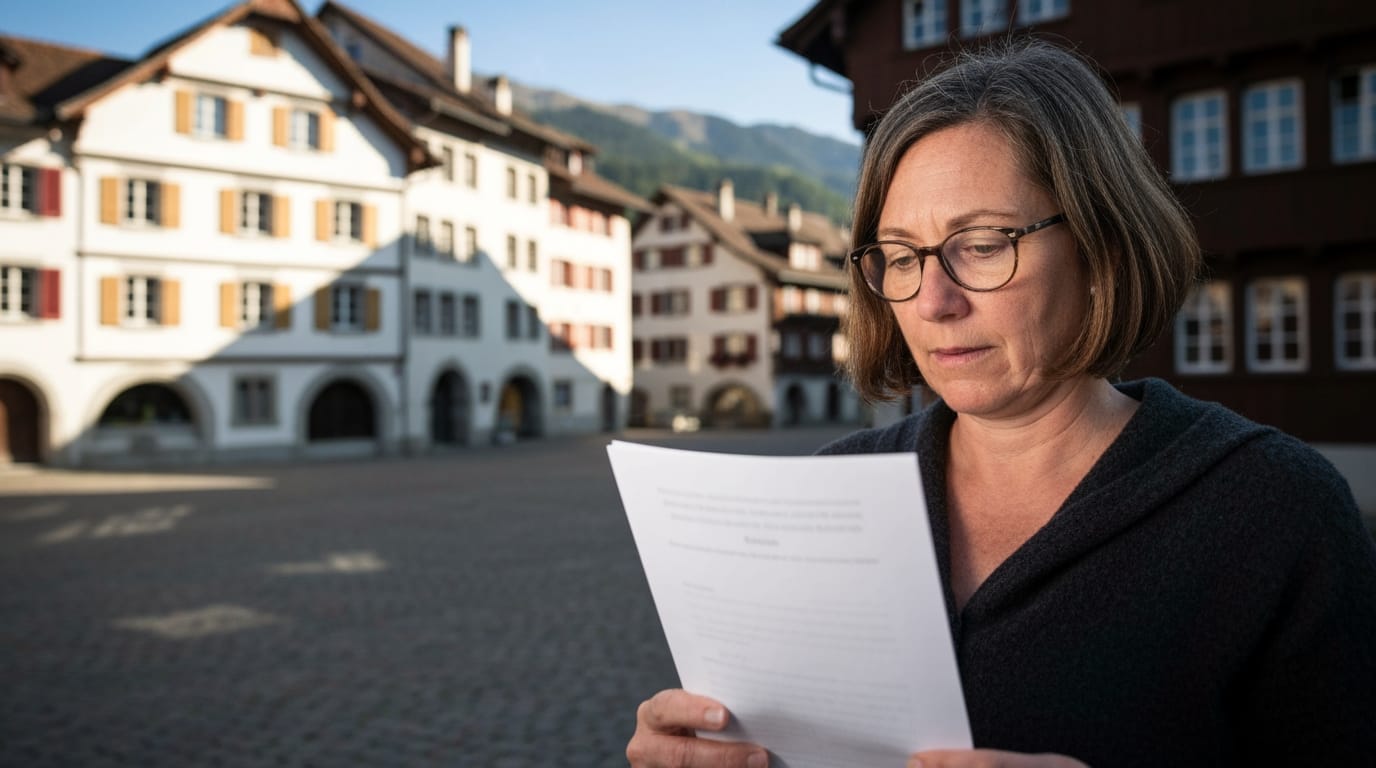
GENEVA, Switzerland – Switzerland is on the cusp of a pivotal decision this Sunday, June 14, as citizens head to the polls to vote on a contentious initiative that seeks to cap the country's permanent resident population at 10 million. The proposal, driven by the right-wing Swiss People's Party (SVP), has ignited a fierce national debate, pitting concerns over national identity and infrastructure strain against warnings of severe economic repercussions and a potential rupture with the European Union. With the nation's population currently hovering around 9.1 million, the outcome of this referendum carries profound implications for Switzerland's future economic model, social cohesion, and its intricate relationship with its largest trading partner.
The "No to 10 Million!" Initiative: Proponents' Rationale
The "No to a 10 million Switzerland! (Sustainability Initiative)" calls for a constitutional amendment to ensure the permanent resident population does not exceed 10 million by 2050. According to the initiative, if the population surpasses 9.5 million before that date—a threshold projected to be reached as early as 2029 or 2031—the federal government and parliament would be mandated to implement stricter immigration controls, particularly concerning asylum and family reunification. Should the population reach the 10 million mark, authorities would be compelled to take "all available" measures to maintain the limit, potentially including the termination of international agreements contributing to population growth.
The SVP, Switzerland's largest political party, argues that unchecked population growth, primarily driven by immigration, is pushing the country to its limits. Proponents contend that the nation's infrastructure, including housing, public transport, schools, and healthcare, is already under immense strain. They link rising rents, traffic congestion, and pressure on natural resources directly to the increasing population density. The party also frames the debate around national identity, suggesting that continued demographic expansion risks eroding Switzerland's cultural character and traditional way of life. "Switzerland, our fatherland, our dear homeland, is bursting at the seams," stated an SVP vice-president and co-initiator of the initiative, reflecting the sentiment of those who believe the country is becoming overcrowded.
Economic Alarms and International Repercussions
Opponents of the initiative, including the Swiss government, parliament, and a broad coalition of business leaders, have issued stark warnings about the potential economic fallout if the cap is approved. A government-commissioned study by the Demografik think tank indicated that a population cap at 10 million could curb Switzerland's economic output by as much as 12% by the end of the century. Such a measure would significantly exacerbate the existing shortage of skilled workers, particularly in crucial sectors like healthcare, hospitality, information technology, and construction.
Swiss firms, from pharmaceutical giants like Roche and Novartis to global tech companies such as Google, heavily rely on international talent to maintain their competitiveness and drive innovation. Opponents argue that restricting immigration would damage these industries and hinder economic growth. Martin von Moos, CEO of luxury hotels, highlighted the dependency on foreign staff, stating, "If we lost all of our foreign staff, the hotel simply wouldn't function."
Perhaps the most significant concern revolves around Switzerland's relationship with the European Union. The initiative explicitly states that if the 10 million threshold is exceeded and other measures fail, Switzerland would be obliged to terminate international agreements that contribute to population growth, notably the 1999 agreement on the free movement of persons with the EU. This agreement allows EU citizens to live and work in Switzerland and vice versa, underpinning a complex web of bilateral treaties that grant Switzerland access to the EU single market, its largest export market. Critics have likened the potential outcome to a "Swiss Brexit," fearing that dismantling the free movement accord could trigger the collapse of other vital agreements, jeopardizing economic ties and trade worth trillions of dollars.
Switzerland's Demographic Landscape and Immigration Realities
Switzerland's population has experienced rapid growth in recent decades, rising from 7.2 million in 2000 to approximately 9.1 million by the end of 2025—a 26.6% increase. This makes Switzerland one of the fastest-growing countries in Europe, with immigration being the primary driver of this expansion. As of 2024, foreign nationals constituted about 27% of Switzerland's permanent resident population, significantly higher than the average in EU member states. The majority of immigrants, over 73%, come from the EU/EFTA area, primarily for work opportunities, drawn by Switzerland's high wages and stable economy.
While net immigration saw a decline of 10.5% in 2025 compared to the previous year, with 74,675 foreign residents, the country's demographic trends highlight a critical dependence on foreign labor. Switzerland faces an aging population and a low fertility rate of 1.3 children per woman, well below the replacement rate. Immigration plays a crucial role in counteracting these trends, ensuring a sufficient workforce and supporting the social security and pension systems. Opponents emphasize that blaming migrants for issues like housing shortages or strained infrastructure oversimplifies complex challenges that require multi-faceted solutions beyond simply limiting population numbers.
The Mechanism of Direct Democracy and Public Mood
The upcoming vote is a testament to Switzerland's unique system of direct democracy, which allows citizens to propose constitutional amendments through popular initiatives. For an initiative to reach a national vote, proponents must collect 100,000 valid signatures within 18 months. If passed, a constitutional amendment requires a "double majority"—meaning it must be approved by both a majority of voters nationwide and a majority of the cantons (Swiss states). This system empowers Swiss citizens to directly influence national policy, fostering strong civic engagement.
Public sentiment regarding the "No to 10 Million!" initiative remains deeply divided, with recent polls indicating a close race. While support for the proposal peaked earlier in the campaign, more recent surveys suggest a slight lead for the "No" camp. The debate has been intense, characterized by strong arguments from both sides, reflecting the profound implications of the decision. The outcome will not only define Switzerland's demographic future but also its stance on globalization, immigration, and its place within Europe.
A Decision Shaping Switzerland's Future
As Switzerland prepares for this critical vote, the nation grapples with fundamental questions about its identity, prosperity, and sovereignty. The initiative represents a profound tension between the desire to manage growth and protect national resources, and the need to maintain a globally competitive economy and robust international relationships. The decision on June 14 will not merely set a population limit; it will cast a long shadow over Switzerland's economic trajectory, its social fabric, and its future engagement with the wider world, signaling what kind of society the country wishes to be.


