Sahel Juntas Dismantle Fundamental Freedoms Amid Deepening Crises
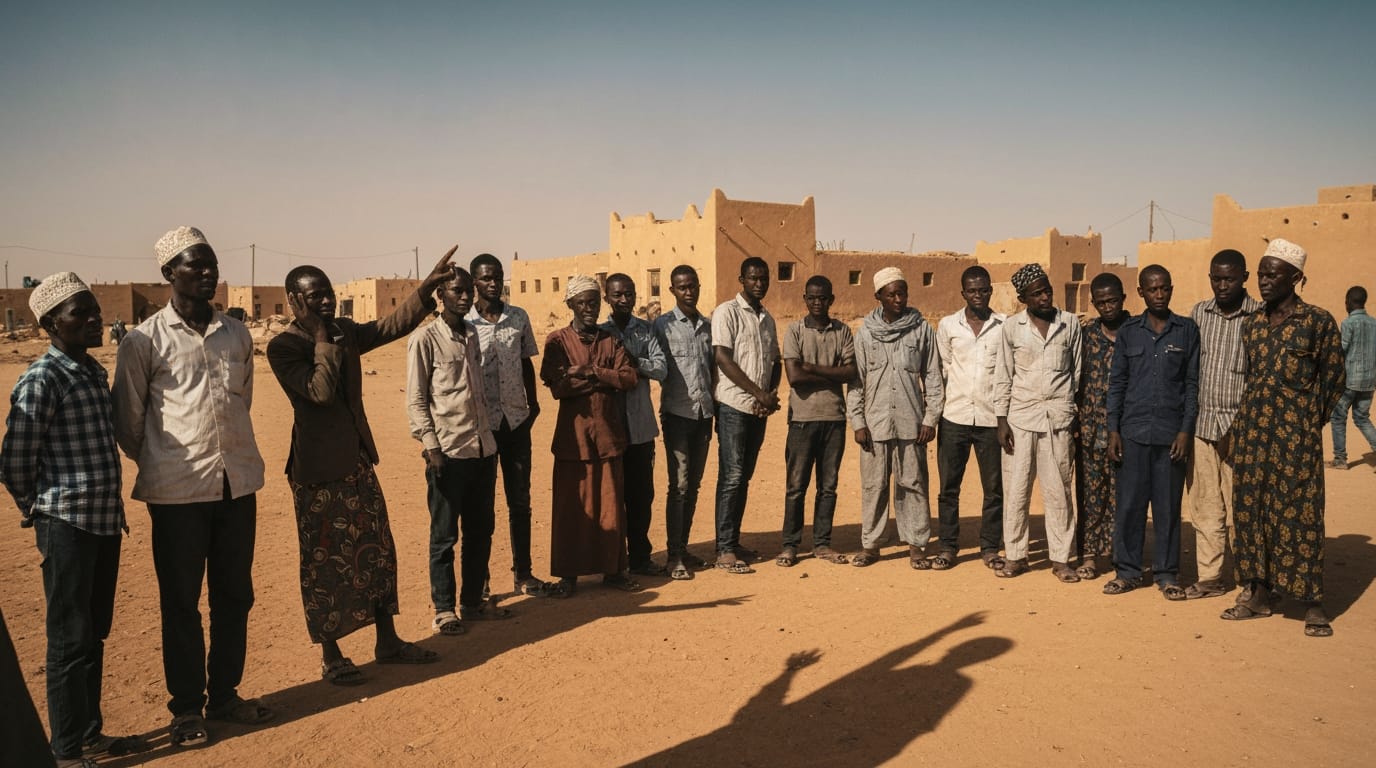
BAMAKO, Mali – A disturbing trend of authoritarianism is sweeping across the Central Sahel region, as military juntas in Mali, Burkina Faso, and Niger systematically dismantle basic freedoms, silence dissent, and tighten their grip on power. Since 2020, a series of military coups has ushered in regimes that, under the pretext of combating burgeoning extremist insurgencies, have severely curtailed civic space, repressed independent media, and committed widespread human rights abuses, drawing grave concerns from international observers. The retreat from democratic norms and accountability mechanisms threatens to further destabilize a region already grappling with profound humanitarian and security challenges.
The Draconian Clampdown on Civic Space
In a chilling display of consolidating power, the military governments in Mali, Burkina Faso, and Niger have progressively stifled political and civic life, effectively eroding the hard-won democratic institutions that once offered a semblance of pluralism. Political parties and associations, pillars of any functioning democracy, have been suspended or outright banned, marking a significant reversal of democratic progress. In Mali, all political activities were suspended in April 2024, with the junta claiming it was necessary for "public order," while Niger and Mali have initiated procedures to formally dissolve political parties. Burkina Faso's military government, led by Captain Ibrahim Traoré, has similarly banned all political activity since the 2022 coup and dissolved hundreds of civil society organizations, many involved in human rights work, citing administrative compliance. This includes NGOs, trade unions, and opposition groups, all facing increased restrictions and outright bans.
Human rights organizations, including Amnesty International and Human Rights Watch, have documented arbitrary arrests, detentions of opponents, and forced conscription as common tactics used to suppress any form of opposition or critical voice. The dissolution of these critical societal structures leaves citizens with few avenues for expression or peaceful assembly, as pro-junta rallies are often the only demonstrations permitted. Critics of the regimes face swift repercussions, with cybercrime laws increasingly weaponized to punish peaceful criticism and stifle online discourse. This broad suppression of civil liberties signals a clear intent by the juntas to rule with minimal limitations, effectively eliminating checks and balances on their authority.
The Unraveling of Press Freedom and the Information Desert
The suppression extends fiercely to the media, transforming the Sahel into what Reporters Without Borders (RSF) has ominously termed an "information desert". Independent journalism in Mali, Burkina Faso, and Niger faces unprecedented threats, caught between state repression and the pervasive insecurity caused by extremist groups. Journalists reporting critically on the regimes' handling of security issues or human rights violations are particularly targeted.
Local and international journalists alike endure increased security risks, including arbitrary arrests, intimidation, threats, and cyber-harassment. Instances abound: in Burkina Faso, at least seven journalists were forcibly conscripted into the military after reporting critically on the authorities. The BBC, Voice of America, Radio France Internationale (RFI), and France 24 have all seen their operations suspended or indefinitely blocked in various Sahel nations, accused of inciting violence or discrediting armed forces. Malian authorities, for example, banned media from covering political activities in April 2024, further tightening information control.
The climate of fear and self-censorship is palpable among media professionals. Newsrooms are forced to relay official narratives, and topics concerning armed attacks or the humanitarian situation carry significant personal risk, regardless of how carefully they are handled. This deliberate campaign to control information not only limits public discourse but also obscures the realities of the worsening security and human rights situations from both regional populations and the international community.
A Vicious Cycle: Insecurity, Abuses, and Eroding Trust
The military coups in the Sahel were often justified by leaders as necessary to combat escalating extremist violence and address the perceived failures of democratically elected governments to provide security. However, evidence suggests that the security situation has, in fact, deteriorated under military rule. The first six months of 2024 alone saw 3,064 civilians killed by violence in the Sahel, a 25% increase compared to the previous six months, according to the Armed Conflict Location and Event Data Project. This contradicts the juntas' claims of effectively tackling insecurity.
Civilians are increasingly caught between extremist insurgencies and state security forces, with credible allegations of serious abuses by both. Government responses have heavily relied on military force, accompanied by allegations of extrajudicial killings, arbitrary detention, and attacks on civilians. In Mali, armed forces and allied foreign fighters, reportedly from the Russia-linked Wagner Group, have been accused of hundreds of unlawful killings and enforced disappearances of civilians since 2022. Similarly, allegations of civilian casualties during counterterrorism operations have mounted in Burkina Faso.
These human rights violations, often committed with impunity, further alienate populations and exacerbate the humanitarian crisis, leading to mass displacement. The cycle of violence and abuse creates a fertile ground for extremist recruitment and deepens mistrust between citizens and the state, undermining any long-term stability.
Retreat from Accountability: Isolating the Region
Further compounding concerns about human rights and governance, the military regimes have actively disengaged from regional and international accountability mechanisms. Mali, Burkina Faso, and Niger have announced their withdrawal from the Economic Community of West African States (ECOWAS), a regional body that holds states accountable for undemocratic governance. This move is particularly alarming as ECOWAS's Community Court of Justice has historically served as a critical avenue for human rights cases, providing recourse for victims when national courts failed.
Additionally, the three nations have declared their intent to withdraw from the International Criminal Court (ICC), a decision that Human Rights Watch warns will "jeopardize access to justice for victims of atrocity crimes". These withdrawals effectively remove a crucial layer of international oversight and legal recourse, enabling perpetrators of grave human rights violations to operate with even greater impunity. The juntas' actions demonstrate a clear pattern of prioritizing unchecked power over accountability, further isolating their nations and deepening the human rights crisis.
A Dire Outlook and Call for Renewed Engagement
The systematic crushing of basic freedoms by Sahelian juntas in Mali, Burkina Faso, and Niger presents a dire outlook for the region's human rights landscape and prospects for stability. As civic spaces shrink, media freedom is extinguished, and accountability mechanisms are dismantled, the civilian populations bear the brunt of intensifying violence and repression. The international community, while expressing alarm, faces the complex challenge of addressing this multifaceted crisis without further exacerbating the suffering of civilians or playing into narratives that justify authoritarian rule.
A comprehensive, human rights-centered approach is urgently needed, one that combines robust civilian protection, sustained advocacy for accountability, and continued humanitarian assistance. Without renewed international commitment and a concerted effort to support civil society and independent media, the Sahel risks descending further into a vortex of instability, human rights abuses, and an ever-widening information blackout. The future of millions hinges on a global recognition of the severity of this crisis and a determined push back against the systematic erosion of fundamental freedoms.


