German Universities Face Unprecedented Funding Cuts, Igniting Widespread Student and Academic Protests
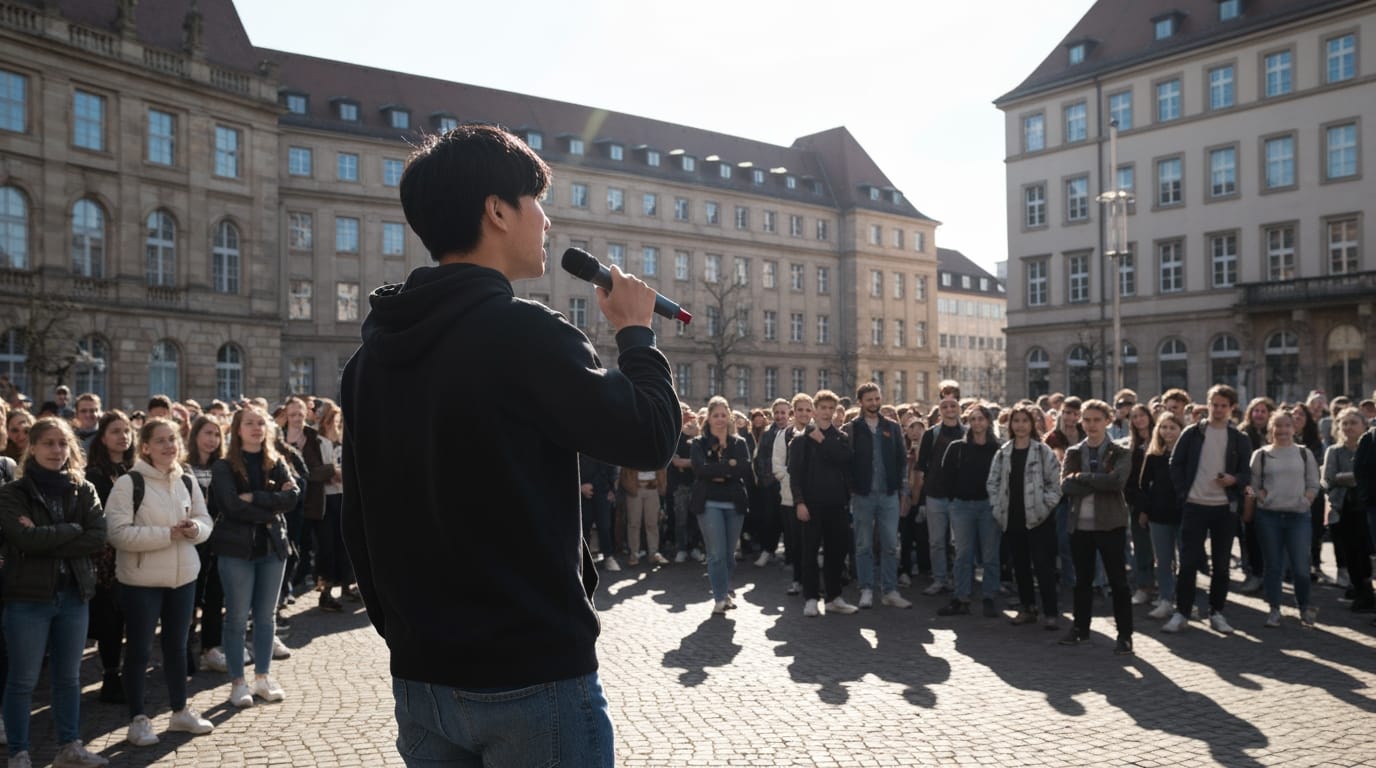
Across Germany, a profound crisis is unfolding within its esteemed higher education system, as universities grapple with sweeping budget cuts imposed by state governments. These austerity measures, slated to impact institutions from 2024 through 2028 and potentially beyond, have triggered significant unrest among students, faculty, and university administrations who warn of dire consequences for teaching, research, and Germany's future as a knowledge-based economy. The reductions threaten to diminish academic quality, exacerbate a critical student housing shortage, and fundamentally alter the accessibility of higher education for thousands.
The Scope of the Crisis: Millions Slashed from University Budgets
The scale of the proposed funding reductions is substantial and geographically widespread, affecting multiple federal states. In Berlin, a particularly hard-hit hub for science and higher education, universities are facing an estimated €145 million in cuts for the current year alone, comprising €135 million from operational budgets and €10 million from capital funding. The Berlin Senate's decision to suspend higher education contracts negotiated for 2024-2028, opting instead for new terms requiring "drastic" cuts, has been described as an "unprecedented breach of trust" by the State Conference of Rectors and Presidents of Berlin Universities. This move alone is expected to result in the removal of approximately 25,000 student places, representing 10 percent of the total in Berlin universities. Freie Universität Berlin, for instance, anticipates a budget deficit of around €37 million in 2025, part of a larger plan to cut €250 million from the city's tertiary education, research, and science budget that year.
Beyond the capital, other states are experiencing similar financial pressures. North Rhine-Westphalia anticipates staggering cuts of €255 million from 2026, with a joint resolution from senates of ten major universities warning of jeopardized long-term performance in research, teaching, and knowledge transfer. Hesse, also governed by a CDU-SPD coalition, is projected to see up to €1 billion in university cuts over the next five years, leading to the termination of courses, such as two engineering programs at Frankfurt University of Applied Sciences. Baden-Württemberg is also navigating budget negotiations for 2026-2030 that could compel universities to implement drastic budget cuts, with the government seeking to save nearly €91 million through "global reduced expenditure" by 2026. University leaders there have voiced concerns that an apparent 3.5 percent budget increase is effectively undermined by rising staffing costs, inflation, and surging energy prices, leading to a real-term decrease in financial support.
Direct Impact: Deteriorating Study Conditions and Research Setbacks
The immediate repercussions of these cuts directly affect the learning environment and academic prospects of students. The removal of thousands of student places will inevitably lead to increased competition for limited spots, potentially excluding qualified applicants from higher education. For those enrolled, the cuts translate into overcrowded seminars, fewer courses, and an increased burden on already stretched staff. Universities in North Rhine-Westphalia already contend with some of the worst student-teacher ratios in Germany, a situation expected to worsen significantly. Academic programs, including archaeology and social/cultural anthropology at Free University, are reportedly endangered, and critical research groups face defunding.
Beyond the classroom, students also confront a severe and worsening housing crisis. Germany has seen a record number of international students, reaching 307,900 in the 2023/24 academic year, making up 13.2% of the student population. This influx, combined with a structural undersupply of student accommodation, has driven rent prices up by an average of 5.1% in 37 of 38 university cities examined in a September 2024 report. Waiting lists for student housing run into thousands in undersupplied university locations such as Munich, Berlin, Hamburg, and Frankfurt. Some students resort to couch-surfing or enduring lengthy commutes, with the existing student housing allowance often falling far short of covering rising rents. The country's total organized student beds stand at approximately 263,000 against 2.87 million students, illustrating a significant provision gap.
A Wave of Discontent: Students and Academics Mobilize
In response to the deepening crisis, a wave of protests and awareness campaigns has swept across German universities. Students, academics, and university staff have organized demonstrations, rallies, and even occupations to voice their opposition. In Berlin, a protest demonstration was scheduled to coincide with the final round of renegotiations for higher education contracts. Humboldt University's Student Parliament (StuPa) has been active in calling for resistance against the austerity measures.
Bielefeld University saw a significant grassroots response to a proposed €12 million cut, with a massive assembly of over 200 students initiating a campaign that included open meetings, a cultural festival, and the occupation of a lecture hall. Freie Universität Berlin launched a unique awareness campaign in June 2025, symbolically removing the letter 'e' from official communications to highlight the drastic effects of the budget cuts on public institutions. University leaders have also joined the chorus of dissent, with presidents of universities in Baden-Württemberg standing alongside student protests in November 2024. These actions reflect a unified front against what many perceive as a deliberate weakening of public higher education.
Broader Implications: A Threat to Germany's Future Competitiveness
The funding cuts carry significant long-term implications for Germany's standing as a global leader in research and innovation. University leaders emphasize that investments in education and research are investments in the future, warning that reduced funding will hinder the training of skilled workers, stifle innovation, and ultimately diminish the country's economic prosperity and international visibility. The ability to attract and retain top talent, both domestically and internationally, is also at risk.
A recurring theme in the protests is the perceived reallocation of public funds. The International Youth and Students for Social Equality (IYSSE) has linked the austerity measures in education to increased military spending, arguing that the federal government intends to fund a vast €1 trillion war budget through dramatic cuts in science and education. Student groups in Bielefeld also directly connected university underfunding to rising military expenditures, asserting that universities are being subordinated to the interests of the market and the military-industrial complex. This perspective suggests a fundamental reordering of national priorities, with critics arguing that future generations are being shortchanged to bolster other sectors.
Conclusion: A Critical Juncture for German Higher Education
The widespread protests and grave concerns articulated by students, faculty, and university leadership underscore a critical juncture for German higher education. The current trajectory of significant funding cuts threatens to undermine the quality and accessibility of universities, impacting everything from student-teacher ratios and course offerings to cutting-edge research and Germany's capacity to compete globally. The confluence of budget reductions, increasing student numbers, and a severe housing crisis creates a challenging environment that demands urgent and sustainable solutions. As demonstrations continue and institutions struggle to absorb financial shortfalls, the collective call for sustained investment in education highlights a fundamental debate about the nation's priorities and its commitment to nurturing future generations and intellectual capital.


