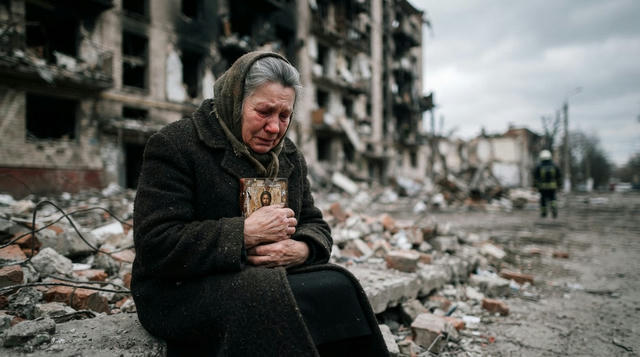
Eighty Years On: Remembering the Kielce Pogrom, A Post-Holocaust Tragedy
KIELCE, Poland – Eighty years ago today, on July 4, 1946, the city of Kielce, Poland, became the site of a brutal outbreak of anti-Jewish violence that stands as one of the darkest chapters in post-Holocaust European history. The Kielce pogrom, triggered by a baseless accusation of ritual murder, resulted in the deaths of at least 42 Jewish Holocaust survivors and injuries to over 40 others, shattering any hope of a renewed Jewish life in Poland for many who had miraculously survived Nazi genocide. This tragic event, often described as Europe's last pogrom, served as a grim testament to the enduring power of antisemitism and spurred a mass exodus of Jews from Poland.
The anniversary serves as a stark reminder of the fragility of peace and the devastating consequences of prejudice, particularly in a nation grappling with the immense trauma of World War II. For the Jewish community and historians alike, the Kielce pogrom remains a pivotal moment, symbolizing the profound challenges faced by survivors attempting to rebuild their lives in the shadow of unimaginable loss.
The Fateful Day: July 4, 1946
The sequence of events that led to the pogrom began deceptively. On July 1, 1946, a nine-year-old non-Jewish boy, Henryk Błaszczyk, left his home in Kielce without informing his parents. When he returned two days later, on July 3, the boy, fearing punishment for his truancy, falsely claimed he had been kidnapped and held in the basement of a building at 7 Planty Street, where a Jewish committee and approximately 150-160 Holocaust survivors resided. This fabrication quickly evolved into a revival of the ancient antisemitic "blood libel" myth, alleging that Jews had kidnapped Christian children for ritual purposes.
On the morning of July 4, Błaszczyk's father reported the alleged kidnapping to the local Citizens' Militia (state police). Despite the building having no basement, militia members dispatched to the scene, reportedly repeating the rumors of murdered Polish children, fueled the growing hysteria. A hostile crowd quickly gathered, shouting antisemitic slogans. Accounts indicate that Polish soldiers, police officers, and civilians participated in the assault on the building and its inhabitants. Inside, after an unidentified individual fired a shot, officials and civilians fired upon the Jews. Outside, fleeing Jews were brutally beaten with pickets, stones, metal bars, and rifle butts. Among the victims, some were shot, others killed with bayonets, and many beaten or stoned to death. The dead included women and children. Two non-Jewish Poles also died, either by Jewish residents defending themselves or by fellow Poles attempting to aid the Jewish victims. The violence persisted throughout the day, officially ceasing in the afternoon.
Roots of Resentment: Post-War Poland
The Kielce pogrom did not occur in a vacuum but against a backdrop of complex and volatile post-World War II conditions in Poland. The country had suffered immensely under Nazi German occupation, and its Jewish population, which numbered over three million before the war, was almost entirely annihilated during the Holocaust. Those who survived and returned to Poland often found their homes and properties occupied by others, leading to intense disputes and resentment.
Antisemitism, a historical presence in Poland, was exacerbated by wartime experiences. Some Poles had acquired Jewish property during the occupation, creating a material incentive to oppose the return of Jewish survivors. The prevailing political instability of post-war Poland, with the nascent communist regime consolidating power, also played a role. The communist authorities, while conducting trials for those involved in the pogrom, were also accused of exploiting the situation for political ends, even attempting to attribute blame to anti-communist underground elements. This created an environment where anti-Jewish sentiments found fertile ground, making returning survivors vulnerable.
A Catalyst for Exodus: The Aftermath and Impact
The immediate aftermath of the Kielce pogrom was marked by a chilling realization for Poland's remaining Jewish community: their safety could not be guaranteed, even after the horrors of the Holocaust. The ruthlessness of the murders, occurring with the participation of state forces, extinguished any lingering hope for many Holocaust survivors to rebuild their lives in Poland.
The incident sparked a mass migration of hundreds of thousands of Jews from Poland and other Eastern and Central European countries. Before the pogrom, an estimated 50,000 Jews had illegally crossed the Polish border between July 1945 and June 1946. In the month of July 1946 alone, almost 20,000 Jews chose to leave the country, with numbers rising to 30,000 in August, seeking refuge elsewhere, often en route to Palestine or other Western nations. The Kielce pogrom was a critical factor in this decision, leading to a dramatic decline in Poland's Jewish population from 240,000 to 90,000 by early 1947.
In response to international condemnation and public outcry, Polish authorities conducted trials for those involved in the pogrom. Between July 9 and 11, 1946, twelve civilians were tried by the Supreme Military Court. Nine were sentenced to death and executed, while others received prison terms. Subsequent trials led to 39 convictions in total, though high-ranking security officials reportedly faced limited consequences.
A Legacy of Reflection: Commemoration and Contention
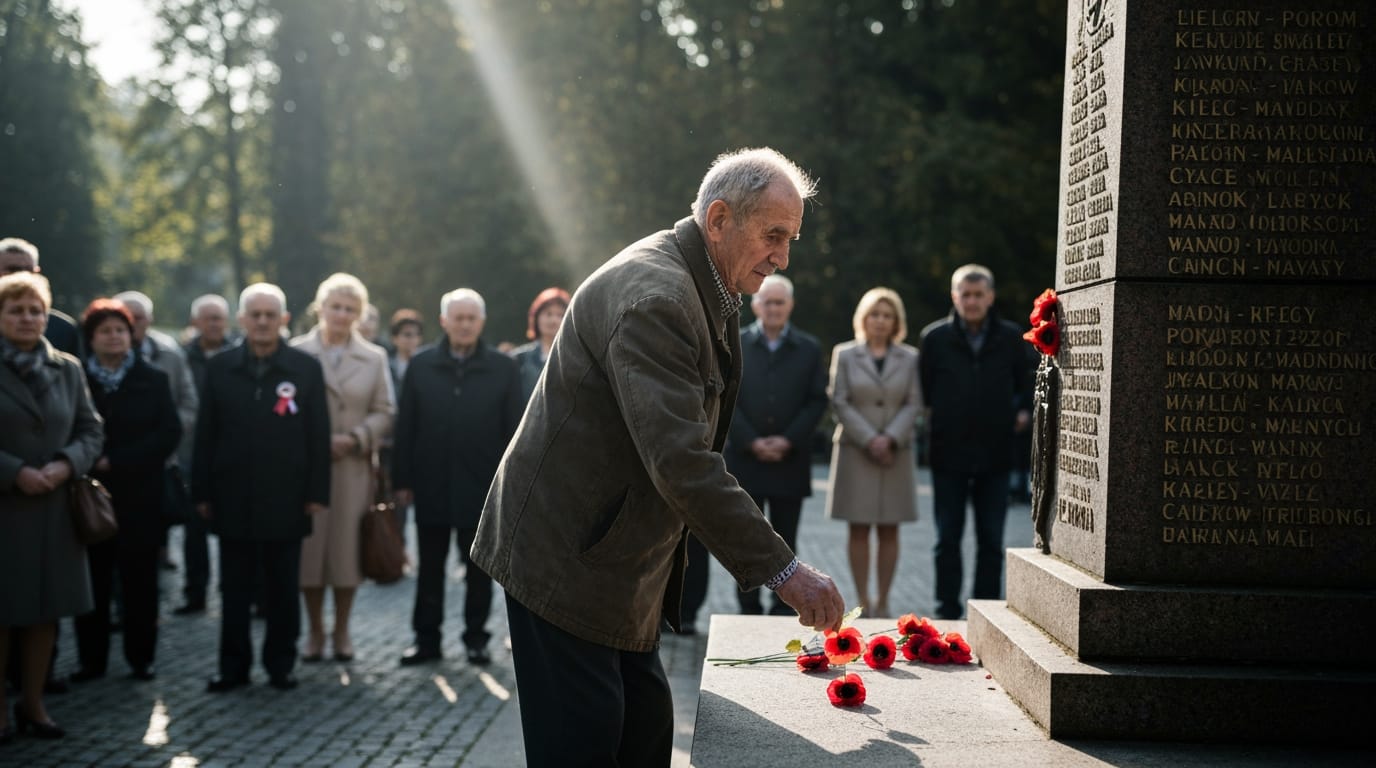
Eighty years later, the Kielce pogrom remains a sensitive and often debated topic in Poland. While national and local authorities, along with Jewish and Christian communities, gather to commemorate the victims, historical interpretations continue to evolve. Commemorations, such as interfaith prayer services and marches of remembrance, are held at the Jewish cemetery and at 7 Planty Street, the site of the massacre. Speakers at these events often emphasize the importance of remembering the victims and building a safer, more tolerant world.
Despite these efforts, the legacy of the pogrom and the broader context of post-war antisemitism in Poland are still subject to contention. Some historians argue that the enduring antisemitism was rooted in concrete wartime experiences and the desire to protect properties acquired during the occupation. Others point to the complex political landscape of the time, including the Soviet-imposed communist dictatorship, as a contributing factor. The Polish government has, at times, sought to protect the nation's reputation regarding its role in World War II and its aftermath, leading to discussions about the difficulties of addressing painful historical truths.
Conclusion
The 80th anniversary of the Kielce pogrom serves as a somber reminder of a pivotal event that extinguished the hopes of Jewish renewal in post-war Poland. This tragic incident, fueled by ancient prejudices and occurring amidst the ashes of the Holocaust, irrevocably altered the course of Jewish history in Eastern Europe. The lives lost and the subsequent mass emigration underscore the urgent and ongoing need for vigilance against antisemitism and all forms of intolerance. As communities reflect on this dark chapter, the Kielce pogrom stands as a permanent scar on the landscape of memory, demanding continuous examination and a commitment to ensuring such atrocities are never repeated.