Germany's Precarious Pivot: Navigating Engagement with the Taliban
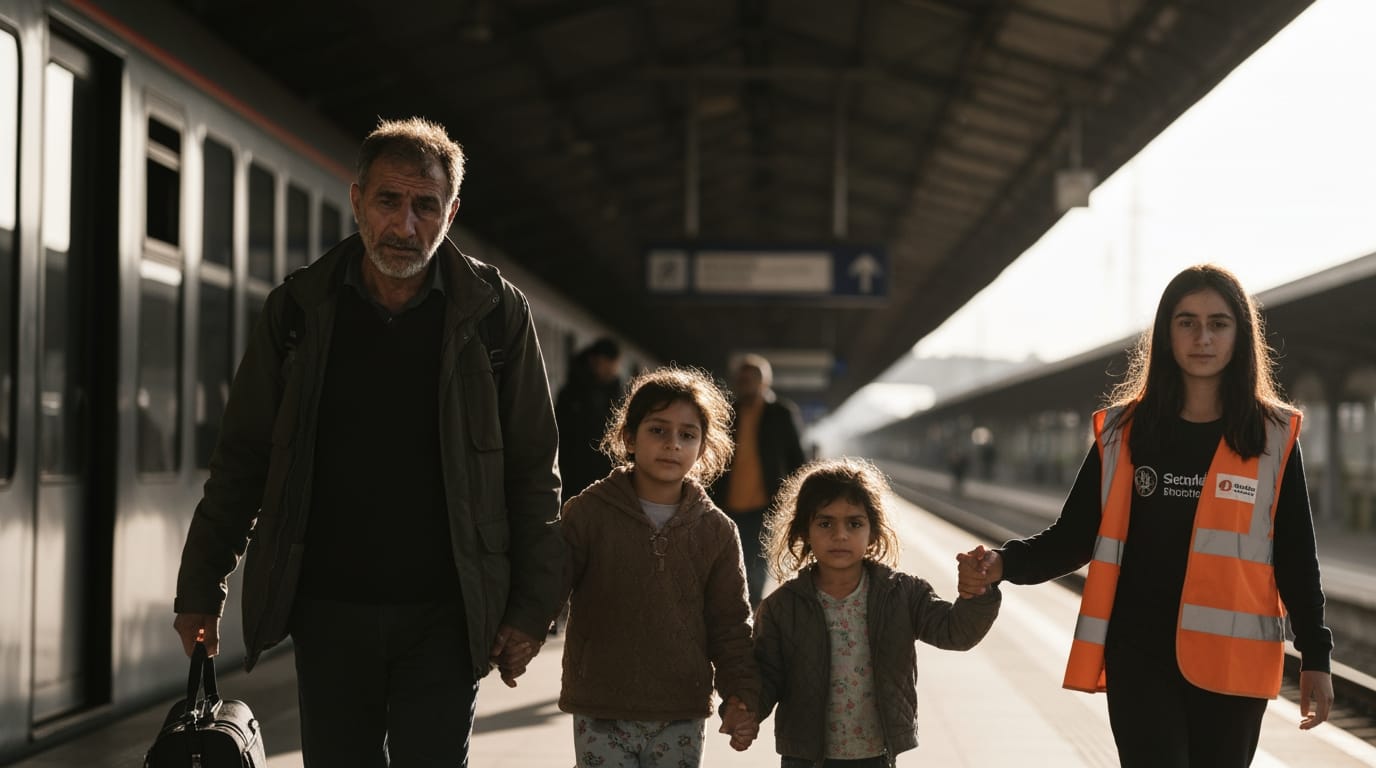
Berlin is embarking on a contentious redefinition of its relationship with Afghanistan, a shift marked by a pragmatic, albeit fraught, engagement with the Taliban, the de facto authorities in Kabul. Facing both a persistent humanitarian crisis in Afghanistan and mounting domestic pressure on migration, Germany is balancing the imperative of aid delivery and the desire for migrant repatriations against its long-standing commitment to human rights and its official non-recognition of the Taliban regime. This evolving policy, dubbed "Realpolitik" by some, signals a complex tightrope walk for German diplomacy, drawing both cautious support and fierce criticism.
The Shifting Sands of Engagement
Germany's initial response to the Taliban's takeover in August 2021 was characterized by the suspension of comprehensive development cooperation and a clear stance against recognizing the de facto government. The German embassy in Kabul remains closed. However, the exigencies on the ground, coupled with geopolitical realities, have necessitated a more nuanced approach. While formal recognition remains off the table, Berlin has adopted an "operational engagement" strategy, mirroring that of the broader European Union. This involves maintaining channels for communication, primarily focused on humanitarian concerns, human rights, and regional stability. German officials, alongside international partners, engage with Taliban representatives to facilitate humanitarian access and discuss issues of governance and counter-terrorism. This pragmatic engagement acknowledges that direct interaction, however unpalatable, is often the only pathway to addressing immediate challenges in a country grappling with profound crises.
Humanitarian Imperative Amidst a Moral Dilemma
A cornerstone of Germany's policy has been its unwavering commitment to the Afghan people through humanitarian assistance. Since August 2021, Germany has provided over $1 billion in humanitarian aid and basic needs support. These funds are channeled predominantly through United Nations agencies and non-governmental organizations, deliberately bypassing the Taliban administration to ensure aid reaches those in need without directly funding the regime. This approach reflects a conscious effort to alleviate suffering, particularly among vulnerable populations such as women and children, whose rights have been severely curtailed by Taliban edicts. The humanitarian imperative, however, presents a profound moral dilemma. While crucial for survival, any engagement, even indirect, with the Taliban risks bestowing a degree of legitimacy upon a regime notorious for its systematic human rights abuses, especially against women and girls. The United Nations estimates that $1.71 billion will be needed in 2026 alone to address the basic needs of particularly vulnerable Afghans. Germany, like other international donors, faces the challenge of delivering aid effectively while upholding its values.
The Contentious Repatriation Drive and Diplomatic Footprint
A significant driver of Germany's evolving policy, and one that has sparked considerable controversy, is the push to expedite the deportation of Afghan migrants, particularly those convicted of serious crimes. Under Chancellor Friedrich Merz, whose government assumed power following a shift in political landscape, there has been a pronounced effort to facilitate direct returns to Afghanistan. This has involved sending senior German officials to Kabul for negotiations with the Taliban on deportation logistics and agreeing to accept additional Taliban-appointed consular officials in Germany to help verify identities and issue travel documents. Previously, deportations were facilitated via Qatar.
The decision to permit an expanded Taliban diplomatic presence in Germany, even if not equating to formal recognition, has been met with alarm. Critics, including human rights activists and some European parliamentarians, argue that such moves risk legitimizing the Taliban and could endanger Afghan returnees, especially women, who might face sexual violence and a complete lack of judicial protection in Afghanistan. Concerns also extend to the possibility of the Taliban gaining access to personal information of Afghans living in Germany.
Balancing Act: Domestic Pressures and International Standards
Germany's pivot is not solely dictated by the situation in Afghanistan but also by domestic political dynamics. Rising anti-immigration sentiment and the increasing popularity of far-right parties like the Alternative for Germany (AfD) have put pressure on the current government to adopt stricter migration policies. Chancellor Merz has explicitly stated that the purpose of technical cooperation with the Taliban is to serve Germany's national interests, specifically to facilitate the return of Afghan migrants who have committed crimes. His government has also announced plans to halt voluntary resettlement programs for Afghans.
This focus on national interest, however, runs into international legal and ethical obligations. Human rights organizations highlight the non-refoulement principle, which prohibits deporting individuals to countries where they face torture or inhumane treatment. The German Foreign Ministry itself warns of widespread human rights violations in Afghanistan, including torture and extrajudicial killings. The contradictory stance of condemning Taliban human rights abuses while simultaneously negotiating directly with them for deportations underscores the deep complexities and ethical compromises inherent in Germany's current approach.
An Uncertain Future
Germany's evolving Afghanistan policy represents a challenging endeavor to reconcile humanitarian responsibilities, security concerns, and domestic political realities with international norms and human rights principles. While Berlin insists it is not "normalizing" the Taliban regime, its pragmatic engagement, particularly on migrant deportations and limited diplomatic exchanges, has undeniably altered the landscape of its relationship with the de facto authorities.
The path forward for Germany and its European partners remains fraught with uncertainties. The effectiveness of conditional engagement in influencing the Taliban's behavior on human rights, especially concerning women and girls, is yet to be proven. Meanwhile, the human cost of a stricter deportation policy for Afghans seeking refuge in Germany continues to draw international scrutiny. As Germany navigates this complex terrain, its decisions will not only shape the future of its foreign policy but also set a precedent for how other nations engage with pariah regimes in an increasingly interconnected and volatile world.


