Erdogan Rival Ekrem Imamoglu Jailed, Sparking Mass Protests in Turkey
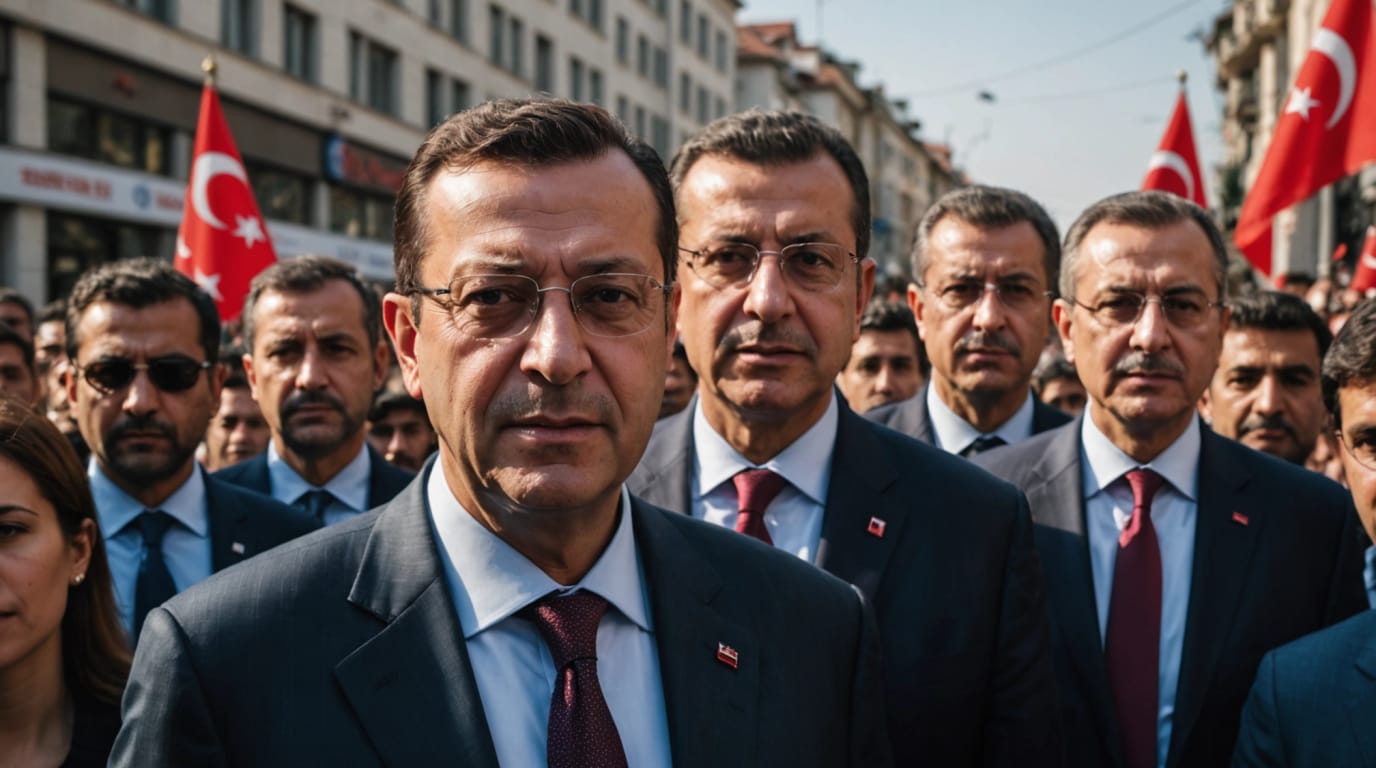
Ekrem Imamoglu, the mayor of Istanbul and a prominent challenger to Turkish President Recep Tayyip Erdogan, has been formally arrested and jailed pending trial on corruption charges, igniting widespread protests and raising concerns about the state of democracy in Turkey. The move is seen by many as a politically motivated attempt to sideline a key opponent ahead of the 2028 presidential race.
A Rising Star in Turkish Politics
Ekrem Imamoglu, 54, has emerged as a significant figure in Turkish politics in recent years. Born near Trabzon on the Black Sea coast, Imamoglu's early life mirrored Erdogan's in some ways, with both having roots in the same region. He joined the Republican People's Party (CHP) in 2008 and quickly rose through the ranks, becoming head of the party's youth wing in 2009. In 2014, he was elected mayor of Beylikduzu, a district of Istanbul, defeating the ruling AKP candidate.
His profile grew substantially when he was chosen to run for mayor of Istanbul in 2019. Despite being relatively unknown at the time, Imamoglu's calm and charismatic demeanor resonated with voters, contrasting sharply with Erdogan's more confrontational style. Campaigning under the slogan "Everything will be fine," Imamoglu secured a narrow victory in March 2019, ending 25 years of AKP control over Turkey's largest city and economic hub.
The Contested Mayoral Election
The AKP challenged the results of the 2019 mayoral election, alleging irregularities. The Supreme Electoral Council annulled the results, a move that drew criticism and fueled accusations of political interference. A rerun election was held in June 2019, and Imamoglu won by a landslide, increasing his margin of victory to approximately 800,000 votes. This resounding victory solidified his position as a major political force and a potential threat to Erdogan's dominance.
Imamoglu's success in Istanbul stemmed from his ability to unite diverse groups of voters, including secularists, religious conservatives, Turks, Kurds, and Alevis. His campaign emphasized unity and "radical love," appealing to a broad spectrum of the population.
Legal Challenges and Political Obstacles
Since becoming mayor, Imamoglu has faced a series of legal challenges and investigations. In 2022, he was convicted of insulting members of the Supreme Electoral Council and sentenced to more than two years in prison, along with a political ban. The charges stemmed from his description of the annulment of the 2019 mayoral election as "foolishness." Imamoglu has denied the charges and is appealing the conviction.
Recently, a university also nullified Imamoglu's diploma, citing alleged irregularities in his transfer from a private university. This decision could potentially disqualify him from running for president, as a university degree is a constitutional requirement for presidential candidates.
On Wednesday, March 19, 2025, Turkish police raided Imamoglu's residence and detained him for questioning as part of investigations into alleged corruption and terror links. The charges against him include establishing and managing a criminal organization, bribery, extortion, bid-rigging, and illegal data collection. While he was also detained over allegations of links to a terror organization, those charges were dropped.
Public Reaction and Political Implications
Imamoglu's arrest has sparked widespread protests across Turkey, with demonstrators taking to the streets in Istanbul, Ankara, and other cities. Critics view the legal actions against him as politically motivated, aimed at removing a popular challenger to Erdogan. The CHP and other opposition parties have condemned the arrest, describing it as a "coup" to prevent Imamoglu's political rise.
The government denies any political interference in the judicial process, insisting that the courts operate independently. However, concerns remain about the independence of the judiciary and the rule of law in Turkey.
The arrest has also drawn international condemnation, with European officials expressing concern about the targeting of opposition figures. The Party of European Socialists (PES) has strongly condemned the arrests and accused Erdogan of disregarding democracy and the rule of law.
The Road Ahead
Imamoglu's future remains uncertain as he awaits trial on the corruption charges. The legal proceedings could take months or even years, and the outcome could have significant implications for his political career and the future of Turkish democracy.
Despite the challenges, Imamoglu remains a popular figure in Turkey, and many see him as a potential presidential contender in 2028. His ability to win over voters from diverse backgrounds and his track record of success in Istanbul have made him a formidable opponent to Erdogan.
The jailing of Ekrem Imamoglu marks a critical juncture in Turkish politics. The events that unfold in the coming months will determine whether Turkey can uphold its democratic values and ensure a fair and competitive political landscape. The situation is being closely watched by both domestic and international observers, as the future of Turkish democracy hangs in the balance.


