Escalating Energy War: Russia and Ukraine Exchange Overnight Blows to Critical Infrastructure
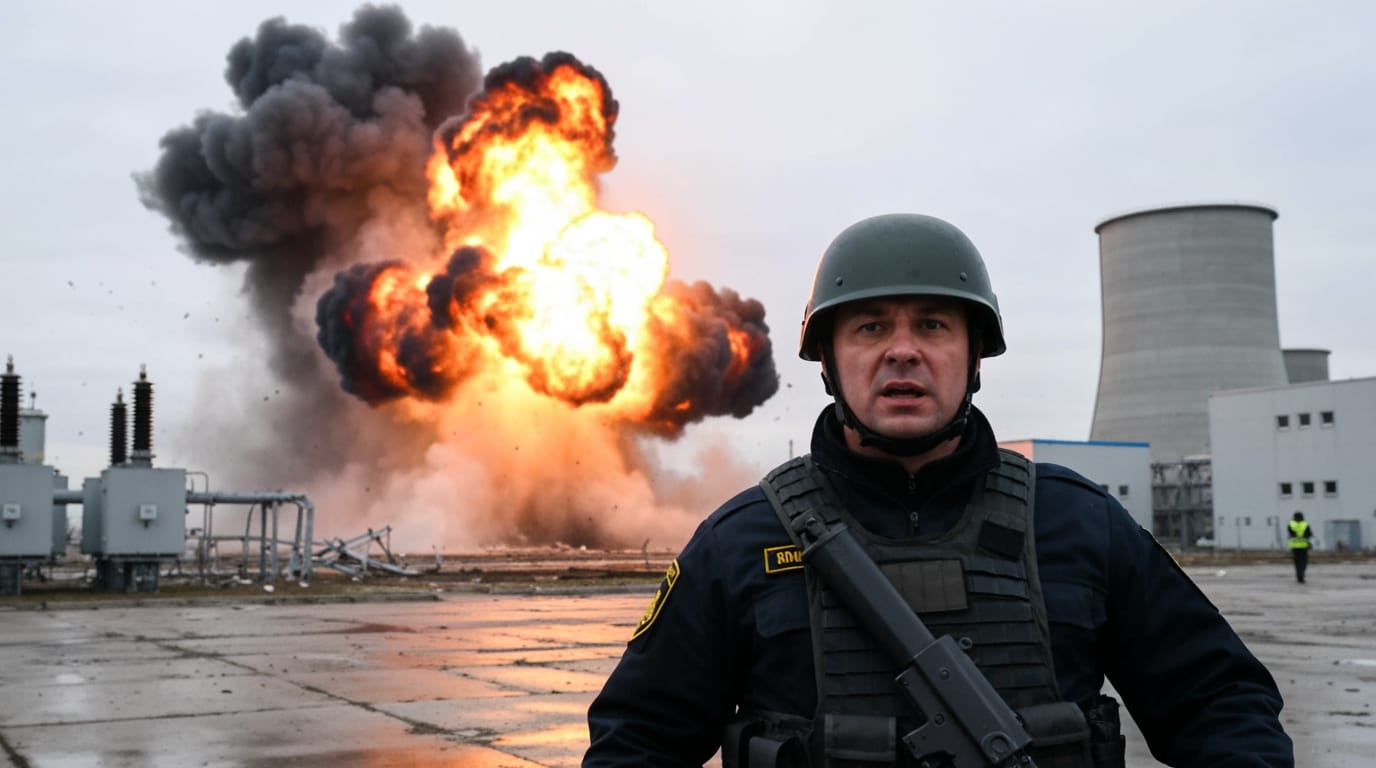
Kyiv, Ukraine – A new wave of intense overnight strikes has plunged parts of Ukraine into darkness and cold, targeting critical energy infrastructure across multiple regions, Ukrainian authorities reported Sunday. The assaults, which included scores of missiles and drones, coincided with reports from Russia of Ukrainian drone attacks on its own territory. These latest barrages underscore the relentless and escalating nature of the conflict, particularly its focus on civilian-supporting infrastructure, as the fourth anniversary of Russia’s full-scale invasion approaches.
Ukraine Endures Widespread Infrastructure Damage Amidst Winter Chill
On Sunday, February 22, 2026, Russia launched a large-scale aerial assault on Ukraine, primarily targeting its energy grid. Ukrainian President Volodymyr Zelenskyy stated that approximately 50 missiles and 300 drones were deployed overnight, with the main objective being the energy sector. Kyiv, Odesa, Mykolaiv, Dnipropetrovsk, Zaporizhzhia, and Poltava oblasts were among the regions affected, leading to widespread power outages and disruptions to essential services. The strikes also reportedly hit residential buildings and railway infrastructure.
The impact of these attacks has been severe, exacerbated by an unusually harsh winter with temperatures plummeting to nearly -10 degrees Celsius in some areas. Millions of people faced limited access to electricity, with some areas reporting power for only a few hours per day. In Kyiv, two combined heat and power plants suffered significant damage, resulting in over 1,100 multi-story buildings losing central heating for the remainder of the winter season. The United Nations Human Rights Monitoring Mission in Ukraine (HRMMU) highlighted the "extreme hardship" imposed on the civilian population by these systematic attacks, noting a "grave disregard for the lives and well-being of civilians". One man was killed in the Kyiv region, and a dozen others, including four children, were wounded, according to Ukraine's national police.
Ukrenergo, Ukraine’s state-owned electricity transmission operator, confirmed that emergency repair works were underway where security conditions allowed, with engineers working diligently to restore damaged equipment. These recent attacks are part of an intensified campaign by Moscow during the winter months, aiming to degrade Ukraine's energy and military infrastructure.
Russia Reports Retaliatory Strikes and Drone Activity
Concurrently, Russia reported its own encounters with Ukrainian aerial attacks. Russian air defenses stated they destroyed 86 Ukrainian drones overnight. In Russia's western Belgorod region, authorities reported that one man died following a Ukrainian drone strike. Additionally, in Russian-occupied Luhansk, a security guard was injured, and a fuel tank caught fire after two Ukrainian drones hit an oil depot. The HRMMU also acknowledged reports of Ukrainian forces striking energy infrastructure in the Belgorod region in January, leading to localized disruptions in electricity, heating, and water supplies for civilians.
Moscow maintains that its strikes target facilities used by Ukraine's military and aims to undermine Ukraine's ability to fight. However, Ukrainian officials, including President Zelenskyy, have repeatedly condemned these actions, asserting that Russia "continues to invest in strikes more than in diplomacy" and is engaging in "terrorist mass strikes".
The Strategic Calculus of Targeting Energy Infrastructure
The persistent targeting of energy infrastructure by both sides underscores its critical strategic importance in modern warfare. For Russia, these strikes aim to disrupt military logistics, demoralize the civilian population, and exert economic pressure on Ukraine, particularly during harsh winter conditions. The cumulative degradation of Ukraine's critical infrastructure has reached a critical point by February 2026, with the nation having lost more than half of its pre-invasion electricity generation capacity. This strategy also carries the risk of triggering new waves of displacement, potentially further straining European social systems.
For Ukraine, the reported drone attacks on Russian territory and occupied regions are often characterized as retaliatory measures or efforts to disrupt Russian logistical and industrial capabilities. The ongoing tit-for-tat exchanges highlight the deep-seated nature of the conflict, where critical infrastructure becomes a battleground impacting both military operations and civilian life.
Humanitarian Crisis Deepens as Winter Bites
The United Nations Human Rights Monitoring Mission in Ukraine has consistently voiced alarm over the humanitarian consequences of these attacks. Their reports from February 13, 2026, documented how systematic attacks on Ukraine's energy infrastructure in January caused extensive disruptions to electricity, heating, and water, affecting millions during sub-freezing temperatures. Hospitals have postponed medical procedures, many schools have closed, and vulnerable populations, including those with limited mobility and families with young children, face particular challenges without basic utilities. The HRMMU stressed that "civilians should never bear the cost of attacks on the services that sustain them". The intensification of these attacks in recent weeks, just days before the four-year mark of the full-scale invasion, points to a deliberate strategy to inflict maximum hardship during the coldest part of the year.
Conclusion: A Cycle of Escalation and Enduring Hardship
The overnight strikes on energy infrastructure in both Russia and Ukraine represent a stark continuation of a conflict marked by mutual targeting of vital systems. While Russia claims its actions are aimed at military objectives, Ukrainian and international bodies highlight the devastating humanitarian impact on civilians, especially during the severe winter. The systematic degradation of Ukraine's energy grid poses long-term challenges for the country's recovery and the well-being of its population. As diplomatic efforts remain stalled, the reliance on such attacks as a tool of warfare continues to inflict immense suffering and underscores the urgent need for a cessation of hostilities and a return to meaningful dialogue. The ongoing cycle of escalation ensures that critical infrastructure will likely remain a key battlefront, with civilians bearing the brunt of the enduring conflict.


