Mexico Strikes Decisive Blow: Drug Lord 'El Mencho' Killed in Military Operation
MEXICO CITY – In a monumental development reshaping Mexico's protracted struggle against organized crime, Nemesio Oseguera Cervantes, the elusive leader of the hyper-violent Jalisco New Generation Cartel (CJNG) and one of the world's most wanted drug lords, was killed Sunday during a targeted operation by the Mexican Army. The death of "El Mencho," as he was widely known, marks the most significant blow to Mexico's criminal underworld since the 2016 capture of Joaquín "El Chapo" Guzmán, igniting both hope for a reduction in cartel violence and widespread fears of immediate, brutal reprisal across multiple states.
The audacious military action unfolded in the western state of Jalisco, a stronghold of the CJNG, triggering a swift and violent reaction from the cartel that plunged several regions into chaos. While Mexican authorities are bracing for the fallout, the demise of Oseguera Cervantes represents a critical victory for President Claudia Sheinbaum's administration and international anti-narcotics efforts.
The Operation: A Morning Raid and Immediate Retaliation
Details emerging from Mexico City indicate that federal forces, led by the Mexican Army, conducted the operation Sunday morning in an area long controlled by El Mencho, specifically in the municipality of Talpa de Allende, near Tapalpa. High-ranking officials confirmed to Mexican media that Oseguera Cervantes died at the scene during the confrontation.
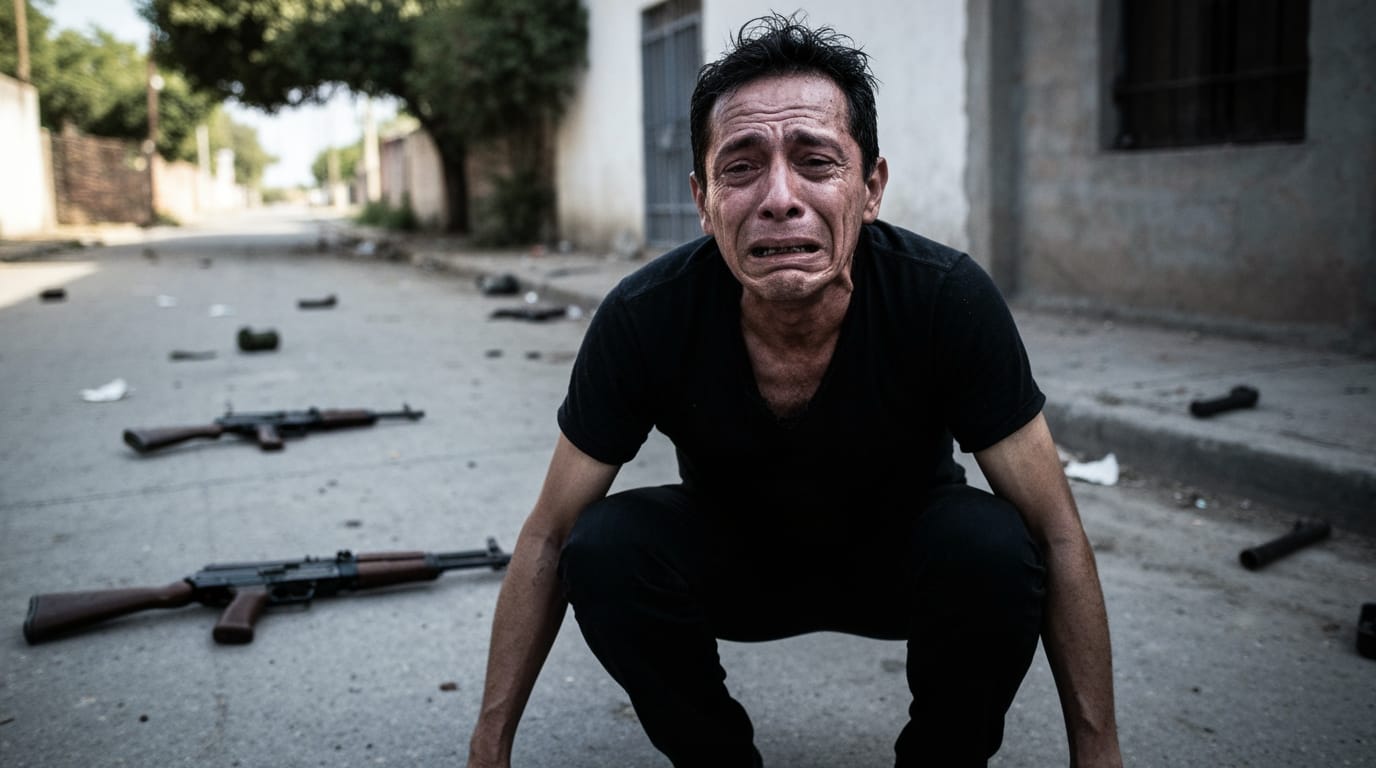
The offensive against the 59-year-old drug lord did not go unchallenged. Shortly after reports of military overflights and the presence of convoys circulated, the CJNG launched a coordinated campaign of terror. Roadblocks made from burning vehicles, buses, and trucks were reported across at least six Mexican states, including Jalisco, Michoacán, Colima, Tamaulipas, Guanajuato, and Aguascalientes. Social media footage showed plumes of smoke rising over Puerto Vallarta and Guadalajara, Jalisco's capital, where panicked residents and travelers at the airport sprinted for cover. Air Canada announced the suspension of flights to Puerto Vallarta due to the unfolding security situation. Jalisco Governor Pablo Lemus Navarro urged the state's eight million citizens to shelter in place, suspending public transportation and advising against road travel amidst the "violent events." The U.S. Embassy in Mexico City issued a security alert, advising U.S. citizens in affected regions to "shelter in place" due to "ongoing security operations and related road blockages and criminal activity."
The Ruthless Reign of 'El Mencho'
Nemesio Oseguera Cervantes's ascent to the pinnacle of Mexico's criminal hierarchy was marked by extreme violence and ruthless expansion. Born in Michoacán in 1966, El Mencho began his criminal career early, eventually serving time in a U.S. prison for heroin distribution in the 1990s. Upon his deportation to Mexico, he re-engaged in drug trafficking, eventually co-founding the Jalisco New Generation Cartel (CJNG) in 2009 after breaking away from the Milenio Cartel.
Under El Mencho's leadership, the CJNG rapidly transformed into Mexico's most powerful and feared criminal organization, rivaling and often surpassing the notorious Sinaloa Cartel in its reach and brutality. The cartel established a significant presence in Jalisco, Colima, Michoacán, and other states, playing a key role in the trafficking of vast quantities of methamphetamine and fentanyl into the United States. The U.S. Department of Justice had issued federal charges against him and offered a staggering $15 million reward for information leading to his capture, designating the CJNG as a foreign terrorist organization in 2020 under the Trump administration. El Mencho was known for pioneering tactics such as launching explosives from drones and installing mines, and in 2015, the CJNG famously shot down a Mexican military helicopter with a rocket-propelled grenade in an attempt to thwart an operation targeting him, killing nine law enforcement officers.
Implications for the Cartel Landscape and Mexico's Drug War
The death of El Mencho creates a significant power vacuum at the helm of the CJNG, triggering intense speculation about the cartel's future. Security specialists suggest that his demise could lead to internal reshuffling, succession disputes, and an increased risk of violence in territories where the CJNG operates. Historically, the removal of high-profile cartel leaders has often resulted in fragmentation and new waves of conflict as aspiring successors battle for control.
Mexican President Claudia Sheinbaum, like her predecessor, has been critical of the "kingpin strategy," which aims to dismantle cartels by eliminating their leaders, citing its tendency to provoke further violence as criminal organizations splinter. However, the pressure from the U.S. government, particularly under the Trump administration, to crack down on drug trafficking and secure high-value arrests has remained constant. This operation, regardless of its long-term strategic outcome, serves as a clear demonstration of Mexico's commitment to combating powerful criminal structures.
The CJNG's aggressive tactics, including direct confrontations with military forces and its widespread influence, underscore the complex challenges facing Mexican authorities. The cartel has been responsible for spectacular acts of violence, including an assassination attempt against Mexico City's police chief in 2020. While the loss of El Mencho is undoubtedly a strategic setback for the CJNG, the organization's decentralized structure and network of regional commanders mean that its operational capacity may not be immediately crippled.
A Decisive Blow in a Protracted Conflict
The killing of Nemesio Oseguera Cervantes marks a critical juncture in Mexico's enduring drug war, a conflict that has claimed hundreds of thousands of lives over two decades. It represents a major achievement for the Mexican government, demonstrating its capacity to target and neutralize even the most entrenched and violent criminal figures. The international significance of this event is also profound, given El Mencho's role in the global drug trade and the substantial U.S. efforts to bring him to justice.
However, the immediate aftermath of the operation, characterized by widespread violence and disruption, serves as a stark reminder of the enduring power and retaliatory capacity of cartels. While the removal of a leader like El Mencho can create opportunities for law enforcement, it also ushers in a period of uncertainty and potential instability. The coming weeks and months will be crucial in determining whether this significant victory translates into a lasting reduction in cartel power or simply inaugurates a new, potentially more violent, phase of Mexico's struggle against organized crime.
In a conflict defined by shifting alliances and brutal power struggles, the death of "El Mencho" is a seismic event. Its ultimate impact on the lives of ordinary Mexicans and the flow of illicit drugs will unfold in the shadow of the smoke and fires that marked Sunday's dramatic events.


