Escalating Violence Plunges South Sudan Deeper into Humanitarian Crisis
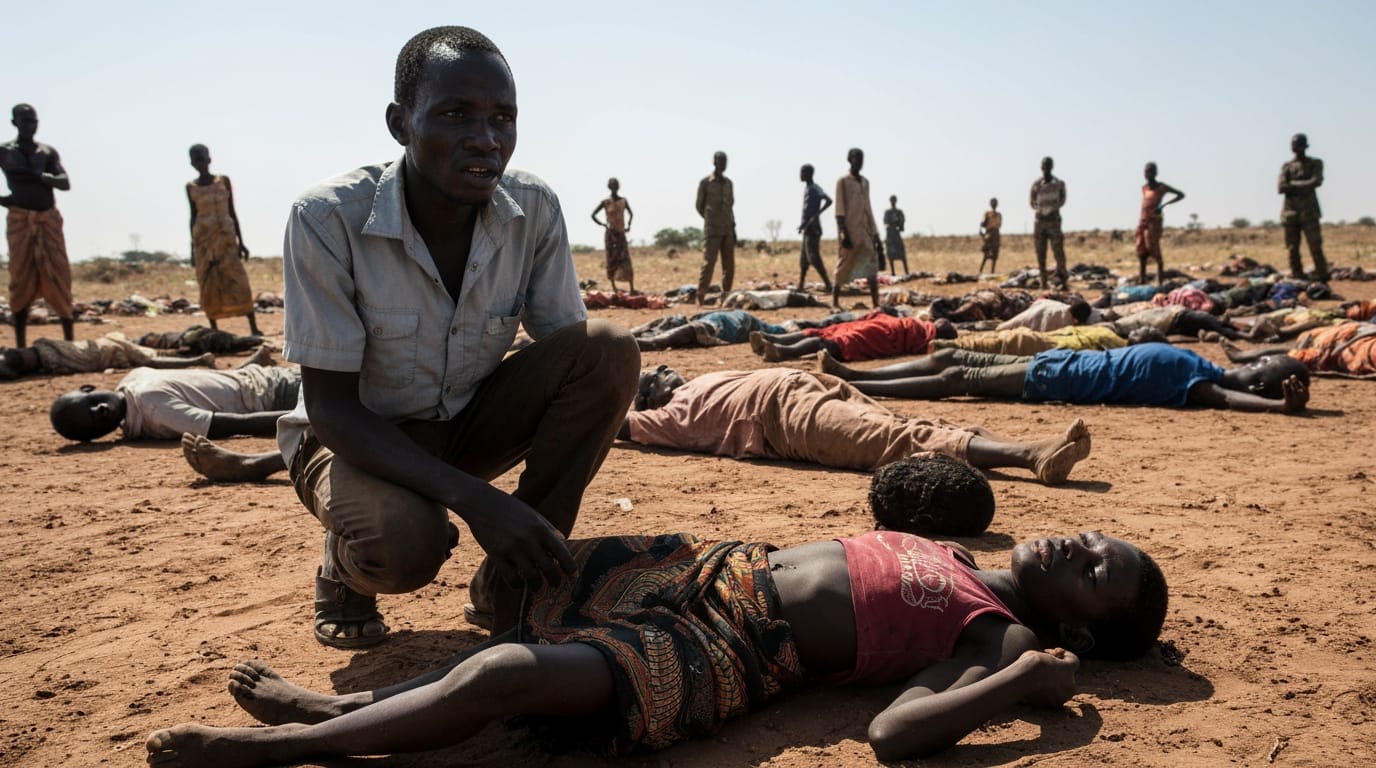
JUBA, South Sudan – A surge in violence, marked by the recent killing of scores of civilians in the Abiemnom area of Ruweng Administrative Area, is intensifying an already dire humanitarian crisis across South Sudan. This latest attack, which claimed the lives of at least 90 civilians, including women and children, and left 23 wounded, underscores a disturbing escalation in a country grappling with persistent conflict and instability. Over 1,000 people sought refuge at a nearby United Nations Mission in South Sudan (UNMISS) base in the immediate aftermath, highlighting the desperate plight of communities caught in the crossfire.
The recent bloodshed in Abiemnom, reportedly carried out by unidentified armed youth believed to have ties to opposition forces, is part of a relentless cycle of attacks that has seen thousands of lives lost and millions displaced. This pattern of violence, frequently inter-communal yet often intertwined with political grievances, has pushed South Sudan to a critical juncture, threatening to unravel fragile peace efforts and exacerbate one of the world's most severe humanitarian emergencies.
A Relentless Toll on Civilian Lives
The first months of 2026 have already seen significant upheaval. In addition to the March 2026 Abiemnom attack, February 2026 brought renewed fighting and airstrikes in Jonglei State, displacing an estimated 280,000 people and severely hampering humanitarian access. This follows a particularly grim 2025, during which more than 5,100 people were killed or injured, marking a 40% increase in casualties compared to 2024. The United Nations Office of the High Commissioner for Human Rights (OHCHR) also documented over 250 individual cases of conflict-related sexual violence and reported 550 civilian abductions throughout 2025, indicating a disturbing upward trend in the brutality of the conflict.
Earlier, the first quarter of 2025 recorded 739 civilians killed, 679 injured, 149 abducted, and 40 victims of conflict-related sexual violence. This represented a 76% increase in victims compared to the same period in 2024 and marked the highest number of victims in any three months since 2020. Warrap State consistently registered the highest number of civilian deaths and injuries.
Throughout 2024, UNMISS documented 1,019 violent incidents affecting 3,657 civilians, resulting in 1,561 deaths, 1,299 injuries, 551 abductions, and 246 cases of conflict-related sexual violence. This represented a 9% increase in victims compared to 2023, with armed communal violence by community-based militias and civil defense groups accounting for approximately 79% of all civilian harm.
The Deep Roots of Persistent Conflict
The violence plaguing South Sudan is complex and multi-faceted, stemming from a combination of deep-rooted inter-communal tensions and unresolved political grievances. Inter-communal clashes, often fueled by disputes over cattle, land, and scarce resources, remain a primary driver of civilian harm. These localized conflicts are exacerbated by the widespread availability of small arms and a pervasive culture of impunity.
Political instability also plays a significant role. Despite a 2018 peace agreement aimed at ending a brutal civil war, implementation of its key provisions, including legislative and institutional reforms, has been slow. Conflict between government forces, opposing factions, and their allied militias continues to destabilize various regions. The political vacuum and disagreements over governance, as seen in 2020 with disputes over state governors, have historically contributed to spikes in inter-communal violence. Ethnic tensions, with civilians often targeted along ethnic lines, further complicate the security landscape, raising concerns about the potential for widespread atrocities.
A Crisis of Unprecedented Scale: Humanitarian Impact
The cumulative effect of years of conflict, inter-communal violence, and the added strain of the climate crisis has created a catastrophic humanitarian situation. An estimated 9.4 million people in South Sudan required humanitarian assistance in 2023, a number projected to exceed 10 million in 2026 – roughly two-thirds of the country's population.
Mass displacement remains a critical concern. Over 2.2 million South Sudanese are internally displaced, with another 2.2 million living as refugees in neighboring countries. In 2025 alone, more than 540,000 people were forced to flee their homes. Adding to this burden, over 1.3 million individuals have returned to South Sudan, primarily fleeing the ongoing conflict in neighboring Sudan, further straining already limited resources and services.
Food insecurity is rampant, with more than half the population facing acute hunger, exacerbated by devastating floods and prolonged droughts. The operating environment for aid organizations is fraught with danger; 22 aid workers were killed in 2023, and at least nine more were abducted in 2024, making South Sudan one of the most perilous places for humanitarian efforts. The United Nations Mission in South Sudan (UNMISS) plays a vital role, providing protection to civilians, offering emergency medical care, and conducting thousands of patrols by land, air, and river annually to deter violence and monitor human rights abuses.
Urgent Calls for Accountability and Enduring Peace
The pervasive culture of impunity in South Sudan continues to fuel the cycle of violence, with authorities frequently failing to hold perpetrators accountable for grave violations. Despite the signing of legislation for transitional justice mechanisms, such as the Commission for Truth, Reconciliation and Healing, these bodies have yet to become operational.
International bodies, including UNMISS, consistently remind the South Sudanese government of its primary responsibility to protect its civilians. There are urgent calls for national and state authorities to take decisive action to end the violence, defuse tensions, and ensure justice for victims. Leaders are urged to uphold their commitments under the peace agreement, engage in constructive dialogue, and foster a path towards peaceful political transitions. South Sudan has faced international scrutiny, including a UN arms embargo and targeted sanctions, which the government has lobbied against, even as the humanitarian and security situations continue to deteriorate.
The relentless civilian casualties, widespread displacement, and deepening humanitarian catastrophe underscore the critical need for all parties in South Sudan to prioritize peace, accountability, and the protection of their people. Without a concerted and sustained effort to address the root causes of conflict and ensure justice, the cycle of violence is likely to persist, further devastating communities and prolonging the suffering of millions.


