Escalation in Lebanon: Israel and Hezbollah Trade Heavy Fire, Regional Tensions Mount
Beirut, Lebanon – A dramatic surge in hostilities between Israel and the Iran-backed Hezbollah movement has plunged Lebanon into a deepening crisis, following intense exchanges of fire across the southern and eastern borders and into the heart of Beirut. The recent escalation, triggered by Hezbollah's retaliatory strikes after the killing of Iran's Supreme Leader Ayatollah Ali Khamenei in a joint U.S.-Israeli operation, has resulted in at least 31 deaths and 149 injuries in Lebanon, marking a severe blow to the region's already fragile stability. Israeli forces have vowed to intensify their operations, warning that Hezbollah will "pay a heavy price" for its actions.
The Unfolding Escalation
The latest round of violence erupted in the early hours of Monday when Hezbollah launched a barrage of rockets and drones targeting northern Israel, specifically setting off sirens in Haifa and the Upper Galilee region. The group claimed responsibility, stating its actions were in "retaliation for the pure blood" of Ayatollah Ali Khamenei and in defense of Lebanon. While Israeli air defenses intercepted some projectiles, others landed in open areas, with no immediate reports of damage or injuries in Israel from these initial attacks.
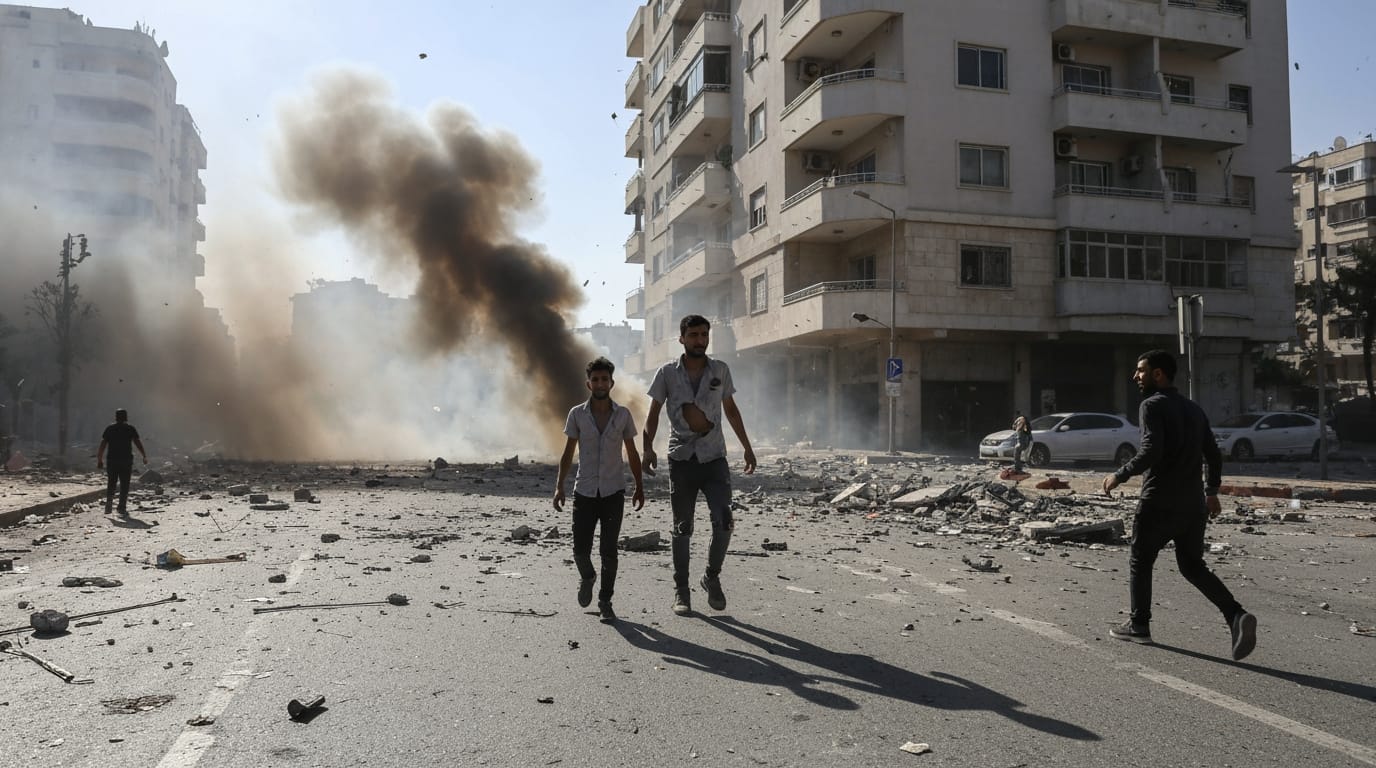
Israel responded swiftly and forcefully, unleashing a series of intense airstrikes across Lebanon. Targets included the southern suburbs of Beirut, a known Hezbollah stronghold, as well as locations in the Bekaa Valley and numerous villages in South Lebanon. The Lebanese Health Ministry reported an initial toll of 31 fatalities and 149 wounded from these Israeli strikes, with 20 deaths occurring in Beirut's southern suburbs and 11 in the south. Eyewitnesses in Beirut described being awakened by a dozen blasts around 3 a.m., with bombings continuing throughout the morning and into the late hours, causing significant destruction. Israeli authorities confirmed that a "senior official" of Hezbollah, identified as Hussein Moukalled, head of the group's intelligence headquarters, was killed in a strike on Beirut's southern suburbs.
Regional Tensions and Political Fallout
This current surge in hostilities is deeply intertwined with broader regional dynamics, particularly the ongoing Israeli-U.S. campaign against Iran. Hezbollah's decision to engage militarily is seen as a direct response to the perceived targeting of its primary patron. The Israeli military has declared an "intensification" of strikes and warned of "several days" of fighting, stating that Israel is simultaneously targeting Lebanon and Iran.
Within Lebanon, the escalation has drawn sharp reactions. Lebanese Prime Minister Nawaf Salam condemned Hezbollah's rocket fire as "irresponsible" and "suspicious," stating that it provided Israel with "excuses" to intensify its attacks. The Lebanese government, striving to prevent the country from being drawn into a wider regional conflict, has expressed willingness to resume negotiations under international guarantees. The Cabinet also decided on an "immediate ban" of Hezbollah's military and security activities and called on the group to surrender its weapons to the state, ordering military and security agencies to implement this decision and prevent further launches from Lebanese territory.
Humanitarian Crisis and Displacement
The renewed violence has exacerbated an already dire humanitarian situation in Lebanon, a country grappling with profound economic and political crises. Thousands of residents in Beirut's southern suburbs and South Lebanon have been forced to flee their homes, creating scenes of mass exodus as families sought safety. The Israeli military issued evacuation warnings for approximately 50 towns and villages in Lebanon's south and east, urging residents to move at least 1,000 meters away from their homes.
The conflict has devastated infrastructure, including residential units, roads, electrical grids, and water supply systems, particularly in southern Lebanon and the Bekaa region. The agricultural sector, a significant part of southern Lebanon's economy, has suffered immense damage, leading to substantial financial losses and long-term environmental impacts due to attacks and the reported use of white phosphorus bombs. The healthcare system is overwhelmed, with facilities damaged, medical supplies scarce, and personnel casualties mounting, further limiting access to essential services. Over a million people had been displaced by late October 2023, a number that has undoubtedly risen with the current escalation.
International Calls for De-escalation
The United Nations Interim Force in Lebanon (UNIFIL), deployed to monitor the cessation of hostilities along the "Blue Line," has voiced grave concerns over the escalating violence. UNIFIL condemned Israeli strikes in southern Lebanon as violations of Security Council Resolution 1701, warning that they endanger peacekeepers and undermine the fragile stability. UNIFIL peacekeepers have themselves been forced to take shelter, with previous incidents involving Israeli forces firing near or at UNIFIL positions.
A ceasefire agreement reached in November 2024 was intended to end over a year of hostilities between the two sides, yet it has been repeatedly violated. The UN and other international bodies continue to urge both parties to refrain from actions that could jeopardize the cessation of hostilities and to uphold their commitments under Resolution 1701. The European Union has also warned of the severe cost of a prolonged conflict in the Middle East and called for international efforts to provide humanitarian aid to Lebanon.
The current exchanges of fire represent a critical juncture in the long-standing conflict between Israel and Hezbollah, with the immediate future holding the ominous potential for a broader regional conflagration. As casualties mount and displacement rises, the urgent call for de-escalation resonates amidst a region already gripped by widespread instability.