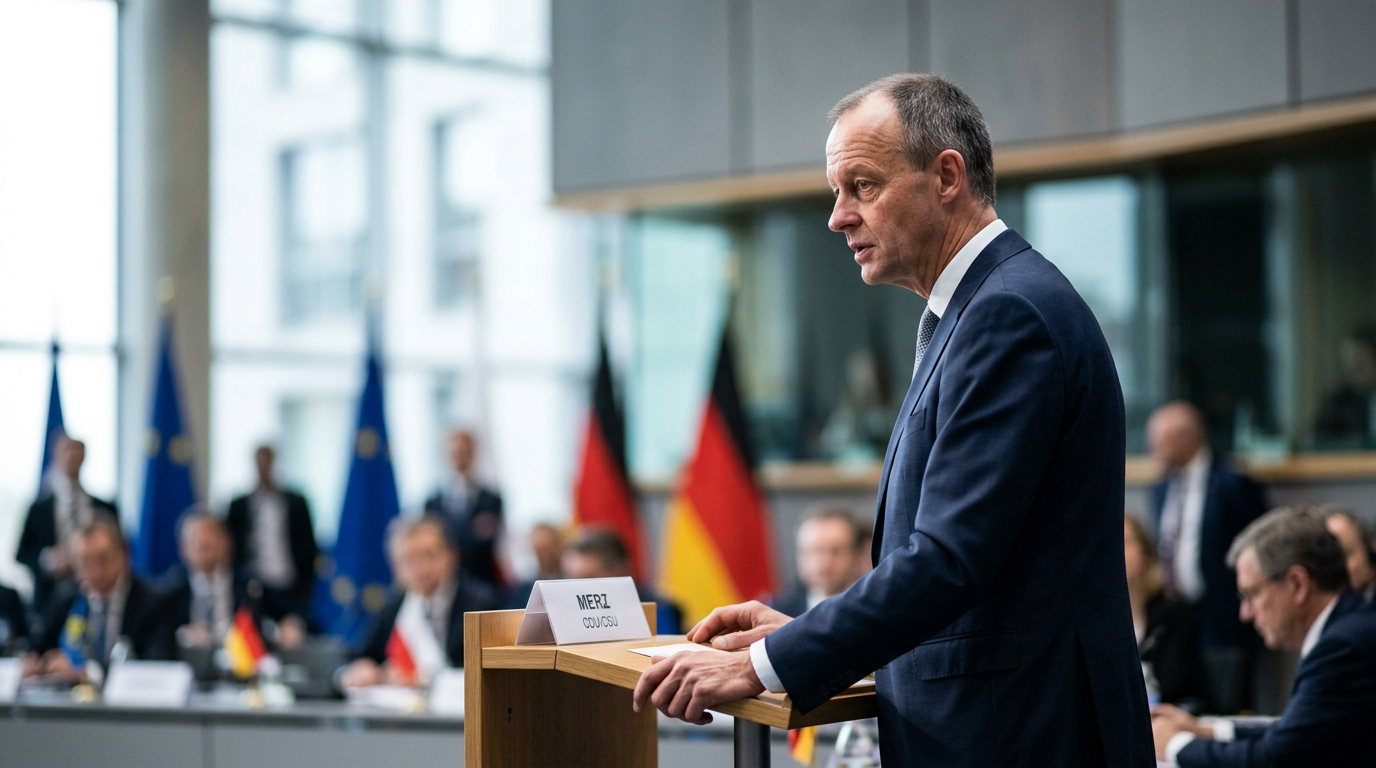
Ethiopia Permanently Bans Two DW Correspondents Amid Broad Concerns for Press Freedom
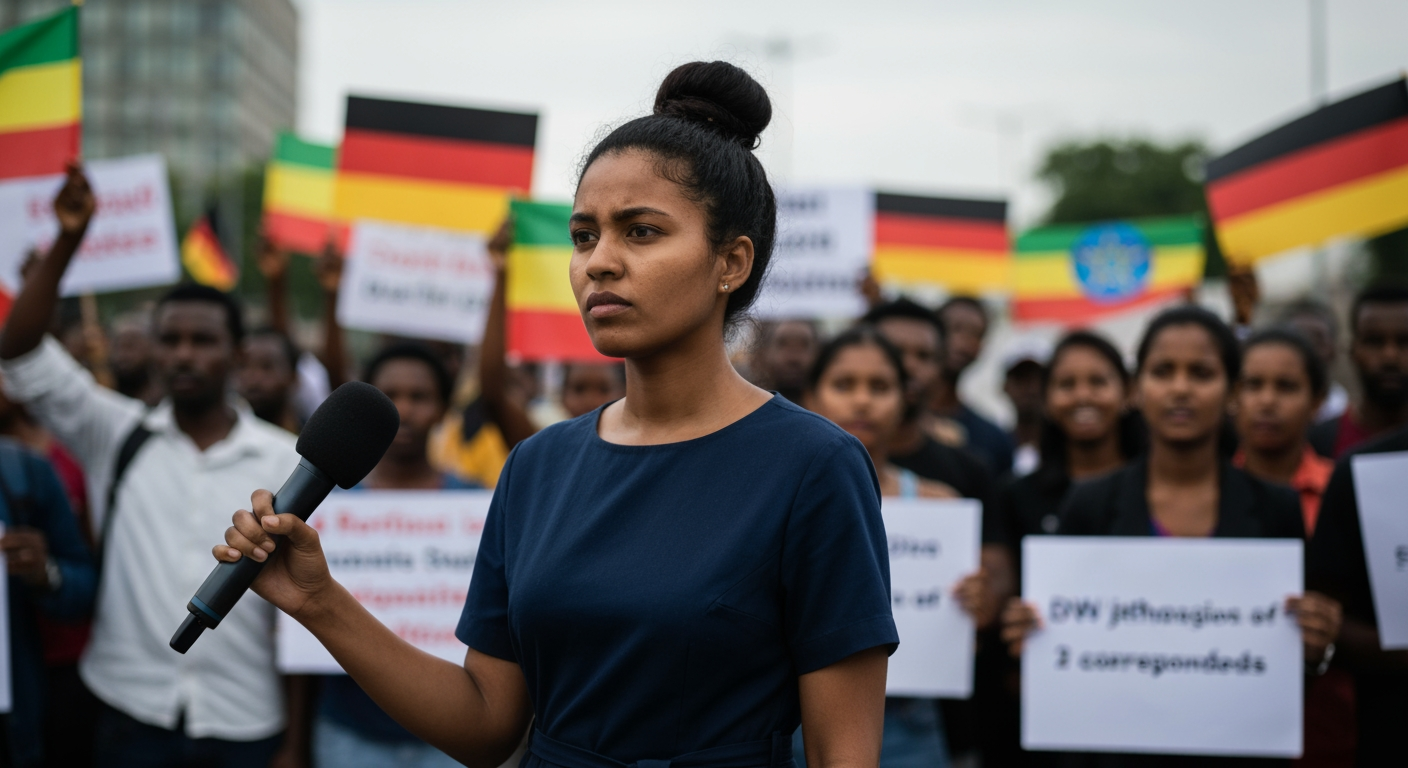
ADDIS ABABA, Ethiopia – Ethiopia's media landscape has seen a fresh blow to independent reporting with the Ethiopian Media Authority (EMA) upholding a permanent ban on two correspondents working for Germany's international broadcaster, Deutsche Welle (DW). The decision, announced on December 11, 2025, follows an earlier blanket suspension of nine DW Amharic Service journalists in late October, drawing strong condemnation from DW and international press freedom advocates who cite a deteriorating environment for independent journalism in the East African nation.
Initial Clampdown and Ambiguous Accusations
The saga began on October 23, 2025, when the EMA issued a letter temporarily suspending all nine local correspondents working for DW's Amharic Service across various Ethiopian towns, including Addis Ababa, Mekelle, and Bahir Dar. The authority broadly accused DW and its journalists of "violating Ethiopian law and regulations and failing to respect professional ethics," alongside breaches of media proclamations prohibiting hate speech and the dissemination of false information.
This sweeping suspension came without specific allegations detailing which reports or actions constituted the alleged violations. However, local media reports suggested that the EMA's decision may have been prompted by DW's October 21 coverage of the Fano forces taking control of multiple areas in the Amhara region following intensified clashes with government troops. This timing raised immediate questions about the government's tolerance for reporting on sensitive domestic conflicts.
DW's Vehement Protest and Call for Transparency
Deutsche Welle swiftly protested the suspension, with Director General Barbara Massing expressing profound concern over the restriction on coverage from Ethiopia. Massing emphasized DW's critical role in providing independent, balanced, and accurate information to millions of Ethiopians, a role that had grown even more significant following the discontinuation of Voice of America's Amharic language services.
In its official response, DW highlighted the lack of concrete evidence in the EMA's letter, stating that it "did not contain any concrete allegations related to particular news reports or its coverage." The broadcaster formally requested the Ethiopian authorities to provide a detailed explanation of the alleged violations and urged the immediate and unconditional reinstatement of all suspended correspondents. DW reiterated its commitment to journalistic standards and its long history of reporting on Ethiopia's political, economic, and social affairs since the late 1980s.
Partial Reinstatement and the Enduring Ban on Two Journalists
Forty-nine days after the initial suspension, on December 11, 2025, the Ethiopian Media Authority partially lifted the ban, reinstating the accreditation of seven of the nine suspended DW journalists. While a welcome development for some, the decision was tempered by the EMA's simultaneous announcement that two correspondents would remain permanently barred from practicing journalism in Ethiopia.
DW "strongly condemn[ed]" this permanent exclusion, arguing that the regulator has yet to present concrete proof of the alleged violations against any of its journalists. This selective reinstatement, while allowing some journalists to resume their work, underscores a continued pattern of media restriction and a reluctance by authorities to provide transparent justifications for their actions.
A Chilling Effect on Ethiopian Press Freedom
The actions against DW's correspondents are not isolated incidents but reflect a broader, worrying trend for press freedom in Ethiopia. International organizations have consistently pointed to a deteriorating environment for journalists, marked by intimidation, arbitrary arrests, and censorship. The International Federation of Journalists (IFJ) condemned the initial suspension as "a deliberate act of intimidation aimed at depriving Ethiopians of truthful reporting," particularly concerning the conflict in the Amhara region. Similarly, the Committee to Protect Journalists (CPJ) labeled the suspension an "outrageous act of censorship and intimidation," urging the EMA to lift the ban immediately and allow journalists to report freely.
This crackdown follows a controversial amendment to Ethiopia's media law in April 2025, which significantly expanded the EMA's regulatory powers, including the authority to suspend, revoke, or fine media licenses. Critics argue that these expanded powers weaken transparency and enable the government to control narratives by targeting independent voices. Ethiopia's standing in global press freedom indices is dire, with Reporters Without Borders ranking it 145 out of 180 countries, highlighting the severity of censorship and restrictions faced by media practitioners.
The decision to permanently ban two journalists, even after reinstating others, sends a clear message about the risks associated with critical or independent reporting in Ethiopia. It reinforces fears that authorities are weaponizing media laws to silence dissenting voices and control the flow of information, particularly on sensitive political and security issues.
Conclusion
The permanent ban on two Deutsche Welle correspondents and the earlier widespread suspension serve as a stark reminder of the ongoing challenges to press freedom in Ethiopia. While the partial reinstatement of some journalists offers a modicum of relief, the sustained exclusion of others without transparent justification continues to cast a long shadow over the future of independent journalism in the country. The international community, alongside press freedom advocates, continues to call on Ethiopian authorities to uphold constitutional protections for media freedom and ensure that all journalists can perform their essential duties without fear of intimidation or reprisal, thereby safeguarding the public's fundamental right to access unbiased and independent information.
Related Articles

Ratko Mladić, "Butcher of Bosnia" and Convicted War Criminal, Dies at 84
THE HAGUE, Netherlands – Ratko Mladić, the former Bosnian Serb military commander known as the "Butcher of Bosnia" and convicted of genocide, war crimes, and crimes against humanity, has died at the age of 84. Serbian...

Long-Awaited 9/11 Mastermind Trial Set for 2028, Decades After Attacks
GUANTANAMO BAY, Cuba – Nearly a quarter-century after the devastating terror attacks of September 11, 2001, a military judge has finally set a trial date for Khalid Sheikh Mohammed, the alleged mastermind behind the...