Ethiopia's Ruling Party Poised for Landslide Victory Amidst Lingering Instability and Opposition Concerns
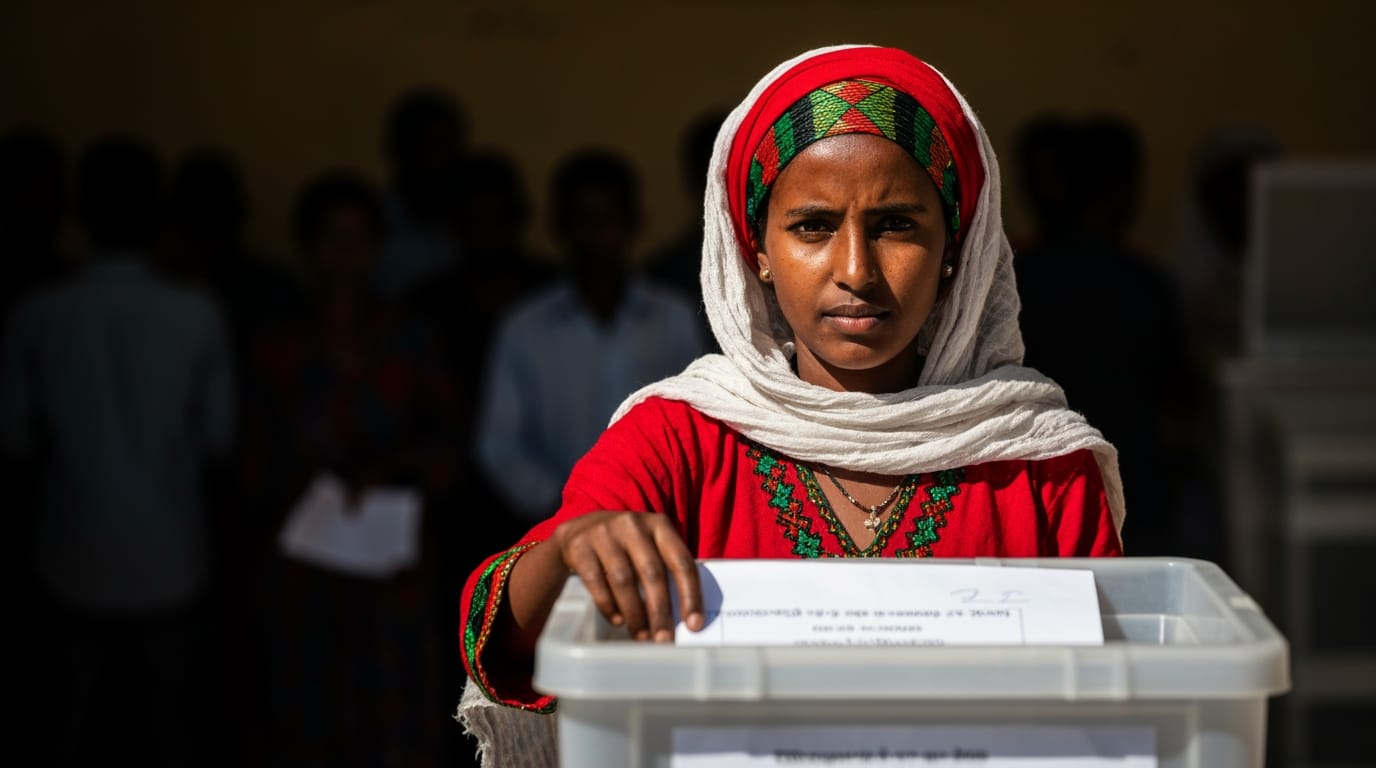
ADDIS ABABA, Ethiopia – Ethiopians headed to the polls on Monday, June 1, 2026, for parliamentary and regional elections, with Prime Minister Abiy Ahmed's governing Prosperity Party (PP) widely anticipated to secure a decisive landslide victory. The electoral exercise unfolds against a complex backdrop of persistent regional conflicts, a fragmented opposition, and concerns raised by critics regarding the fairness and inclusivity of the process. While the ruling party asserts the vote as a democratic milestone, observers and opposition groups suggest the outcome is largely predetermined, serving primarily to legitimize the incumbent administration.
The Electoral Landscape: A Seemingly Foregone Conclusion
The lead-up to Monday's vote has been characterized by a pervasive expectation of a dominant win for the Prosperity Party, which currently controls over 500 seats in Ethiopia's House of Representatives. Analysts predict the PP will maintain its strong parliamentary position, securing Prime Minister Abiy Ahmed another five-year term. This anticipated success is largely attributed to a fractured and financially constrained opposition, alongside the PP's ability to campaign robustly, including closing major roads in the capital, Addis Ababa, for large rallies. Conversely, opposition parties claim they have been prevented from holding comparable gatherings, highlighting an uneven playing field. Kjetil Tronvoll, a professor at Oslo New University College and an expert on Ethiopia, described the polls as "primarily a symbolic exercise intended to confer legitimacy on the incumbent," arguing that multiparty elections in Ethiopia have historically not offered a genuine possibility for a change in government.
Prime Minister Abiy Ahmed, who rose to power in 2018 following widespread protests and initially garnered international acclaim, including a Nobel Peace Prize in 2019 for his efforts to mend relations with Eritrea, has since faced increasing criticism. His administration is now frequently accused of growing authoritarianism and a crackdown on dissent. The current election is seen as a crucial test for Abiy, as it takes place amid enduring challenges to national unity and stability.
Shadow of Conflict: Unrest and Disenfranchisement
A significant shadow cast over the current elections is the ongoing instability and conflict in several of Ethiopia's most populous regions. Notably, elections will not be held in the Tigray region due to what electoral authorities describe as "unfavourable conditions," more than three years after a devastating civil war concluded there in 2022. That conflict resulted in an estimated 600,000 deaths and displaced millions, leaving lasting humanitarian and political consequences.
Beyond Tigray, insecurity also led to the suspension of voting in several constituencies within the Amhara region, where Fano nationalist militias have been engaged in conflict with federal forces. Similar challenges affect parts of Oromia and Gambella. While Ethiopia's electoral board reported that over 50 million people registered to vote out of a population of at least 130 million, critics dispute these figures, citing the pervasive instability in large parts of the country that could disenfranchise millions. The National Election Board of Ethiopia (NEBE) had to cancel voting in at least eight of Amhara's 137 constituencies due to these security concerns.
The Opposition's Uphill Battle for Relevance
The political landscape for opposition parties in Ethiopia remains daunting. Running with scant financial resources and divided across more than 40 different parties, the opposition faces an uphill battle against the well-resourced and dominant Prosperity Party. In a stark illustration of the PP's overwhelming advantage, the ruling party is reportedly running unopposed in dozens of constituencies.
Opposition groups have openly questioned the fairness of the electoral process, alleging that the ruling party enjoys significant advantages that undermine a truly balanced political playing field. These concerns echo the 2021 national election, where the Prosperity Party won 410 out of 436 contested seats in the federal parliament, while opposition parties secured a mere 11 seats. That election also saw popular opposition parties in the Oromia region boycotting the vote, and the United States subsequently described the process as "significantly flawed," citing issues such as the detention of opposition figures and insecurity. Eyoel Solomon, spokesperson for the opposition Ethiopian Citizens for Social Justice (EZEMA) party, has criticized the country's ethnic-based political divisions, arguing that they have fueled instability and social tensions.
Voices from the Ground: Stability vs. Discontent
On the ground, public sentiment reflects a mixture of support for the incumbent administration and underlying discontent. Aynalem Bekele, a Prosperity Party supporter, praised Prime Minister Abiy's leadership, emphasizing his perceived role in providing stability amidst national challenges and his international profile. "Our prime minister is a leader who can lead the world," Bekele stated, expressing confidence in Abiy's achievements.
However, not all citizens share this unwavering optimism. Henok Gebre-Selassie, a 29-year-old contract courier, described feeling pressured to attend a large campaign rally for the ruling party, fearing professional repercussions if he did not participate. Despite his attendance, Gebre-Selassie expressed "strong misgivings" about the current administration, particularly criticizing its focus on development projects like parks and skyscrapers while "famine remains a major challenge" and many citizens are pushed to underserved outskirts of cities.
Economically, Ethiopia continues to be viewed as a "major bright spot," with the International Monetary Fund forecasting over nine percent growth for the year. This economic vitality, however, is largely attributed to reforms initiated under previous governments.
Looking Ahead: Ethiopia's Path Post-Vote
With polling stations closing on Monday evening and results expected approximately 10 days after the vote, Ethiopia stands at another critical juncture. The anticipated landslide victory for the Prosperity Party, while solidifying Prime Minister Abiy Ahmed's grip on power, also highlights the deep-seated political and social fragilities within the nation. The election, occurring amidst regional conflicts and a challenging environment for opposition voices, underscores the ongoing debate about the trajectory of democratic development in Africa's second most populous country. The international community will undoubtedly be watching the post-election period closely, as the implications of this vote reverberate across the Horn of Africa.


