EU Navigates Diplomatic Minefield with Invitation to Taliban for Migrant Return Talks
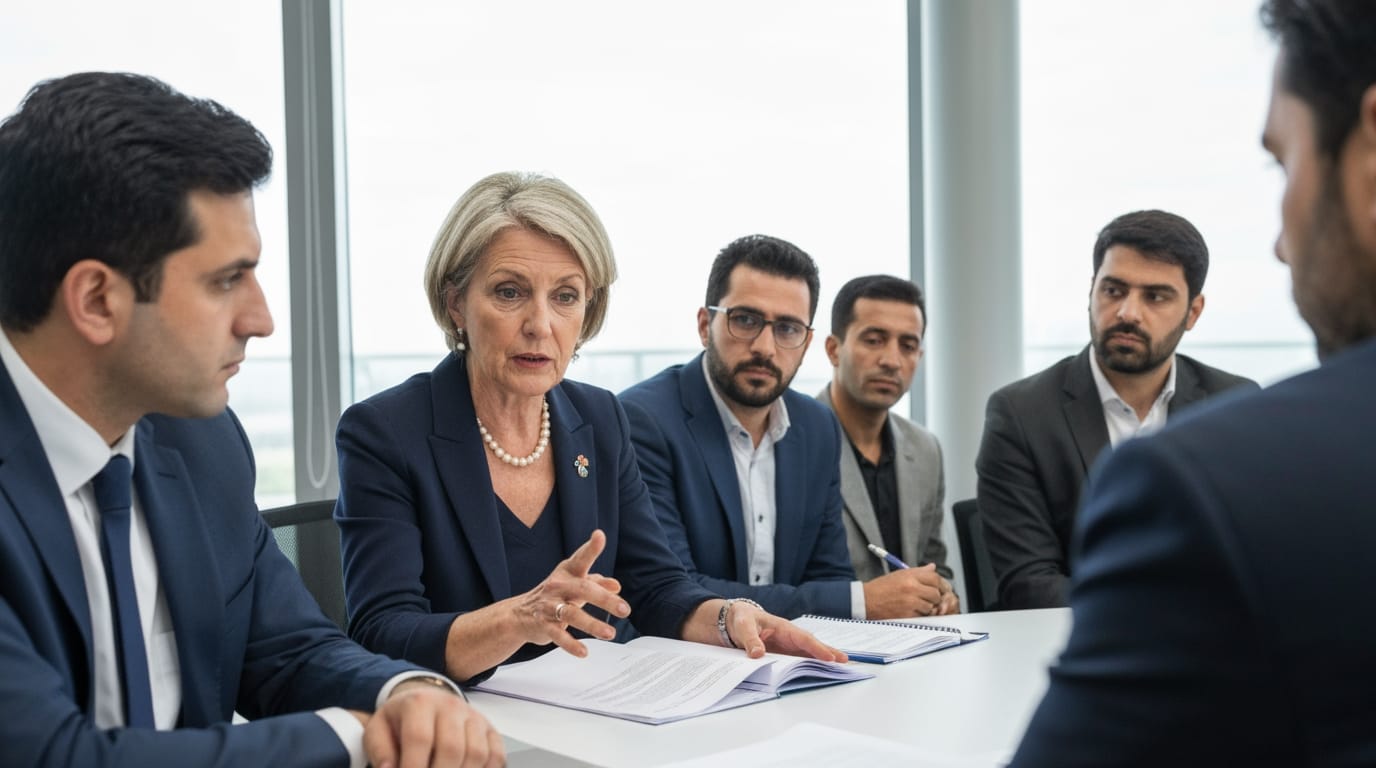
BRUSSELS — The European Union has extended an invitation to officials from Afghanistan's Taliban administration for technical discussions in Brussels, centered on the complex issue of returning Afghan migrants from Europe. This unprecedented move, confirmed by the European Commission, marks a significant, albeit contentious, step in the EU's efforts to address migration challenges, prompting a strong backlash from human rights organizations and some lawmakers.
The invitation comes amid hardening public attitudes towards migration across Europe and increasing pressure from member states to streamline the repatriation of individuals deemed to have no legal right to remain, particularly those with criminal convictions or perceived security threats. While emphasizing that the engagement does not signify formal recognition of the Taliban — which remains internationally isolated since its return to power in 2021 — the talks aim to tackle practical and logistical hurdles in facilitating returns.
The EU's Pragmatic Pursuit of Returns
The European Commission, in coordination with Sweden, formally dispatched a letter to Taliban authorities to arrange the meeting in the Belgian capital. This initiative follows two prior rounds of "technical" discussions held in Afghanistan, underscoring the EU's persistent pursuit of a mechanism for migrant returns. European migration officials have indicated that the discussions will focus on operational specifics such as the issuance of travel documentation, passport verification, and coordination of deportation flights.
The impetus for these talks originates from an October request by approximately 20 EU member states, including Germany, Belgium, and Sweden, urging the Commission to explore diplomatic and practical avenues for returning Afghan nationals. Commission spokesperson Markus Lammert highlighted that the primary focus is on individuals who "pose a security threat" or "have no right to stay in the union." This pragmatic approach reflects a growing imperative within the bloc to manage migration flows and address security concerns associated with undocumented populations.
A Humanitarian and Ethical Quagmire
The decision to engage with the Taliban on returns has ignited a firestorm of criticism from various corners. Human rights organizations, migrant advocates, and UN experts have voiced grave concerns, warning that such discussions could inadvertently legitimize the Taliban regime, which is widely condemned for its severe human rights abuses. Critics argue that deporting Afghans to a country grappling with a profound humanitarian crisis and under a regime with a dismal human rights record risks violating the international principle of non-refoulement, which prohibits returning individuals to places where they face persecution.
Afghanistan is currently in the throes of one of the world's most severe humanitarian crises, with nearly half its population unable to secure adequate food. Since the Taliban's takeover in 2021, the country has witnessed a dramatic deterioration of human rights, particularly affecting women and girls, who face extensive restrictions on education, employment, and freedom of movement. UN Special Rapporteur for Afghanistan, Richard Bennett, cautioned that any returns could breach international law due to "widespread human rights violations including against women, human rights defenders and former public servants." Lisa Owen, Country Director for the International Rescue Committee in Afghanistan, underscored the severity of the situation, stating that "Deporting Afghans back to a country where almost half of the population cannot feed themselves is not a migration policy; it is a decision that could cost lives."
Moreover, since 2023, more than 5 million Afghans have returned from neighboring countries, often forcibly, only to face extreme hardship, lacking stable housing or employment within Afghanistan.
Precedent and Pressure: A Broader Trend
This isn't the first time EU officials have engaged with the Taliban. Previous "technical" discussions took place in Kabul in January 2026, setting a precedent for the current invitation to Brussels. The broader context reveals a continent-wide shift towards stricter migration policies. Afghans constituted the largest group of asylum applicants in the EU in 2025, and by November 2025, nearly 11,000 Afghan nationals had reached European borders, making them the third-largest contributor to migration flows into Europe. Hundreds of thousands of Afghans have sought asylum in Europe since the Taliban regained control in 2021.
The pressure to address these figures is palpable. Some member states, like Germany, have already taken steps to deport Afghans convicted of crimes, with more than 100 individuals repatriated via charter flights facilitated by Qatar since 2024. Austria has also held direct contacts with Taliban representatives, hosting a delegation in Vienna last year. The EU's engagement, while unofficial, reflects an urgent need felt by member states to find practical solutions in the absence of diplomatic recognition.
Balancing Act on a Fragile Stage
The planned talks highlight the delicate tightrope the European Union is walking: attempting to address pressing migration and security concerns without bestowing political legitimacy upon a regime widely condemned for its repressive policies. EU spokespeople have consistently clarified that this engagement is purely technical and does not imply formal recognition of the Taliban government.
However, the ethical implications remain stark. The necessity of granting exceptional visas to Taliban officials for their travel to Brussels itself underscores the diplomatic complexities. As the EU seeks to manage its migration policies amidst internal and external pressures, the discussions with the Taliban represent a contentious, yet perhaps inevitable, facet of international relations in a fractured world. The outcome of these talks, and the subsequent fate of Afghan migrants, will be closely watched by international observers, human rights advocates, and the global community.


