German Carmakers Grapple with Bleak Job Outlook Amid Transformative Shift
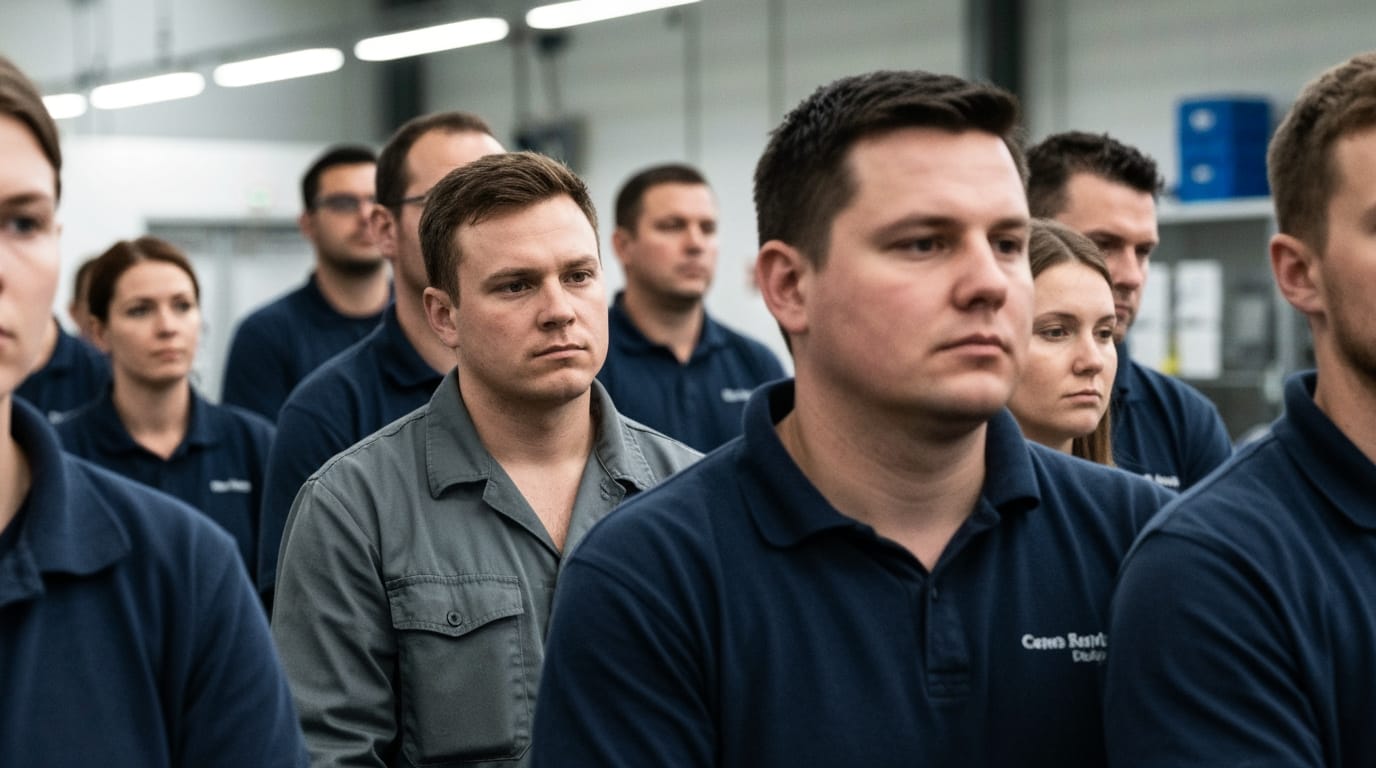
Germany's once unshakeable automotive industry faces an increasingly dire employment future, with leading manufacturers and industry associations projecting significant job losses over the coming decade. The German Association of the Automotive Industry (VDA) recently issued a stark warning, indicating that an additional 125,000 jobs could disappear from the sector by 2035. This grim forecast would bring the total decline in automotive employment since 2019 to approximately 225,000 positions, a trend driven by the accelerating transition to electric vehicles, intensifying global competition, and stringent regulatory demands.
The Shifting Landscape and Looming Losses
The core challenge for German carmakers stems from the fundamental shift in manufacturing processes. Producing electric vehicles (EVs) is inherently less labor-intensive than building traditional internal combustion engine (ICE) vehicles. EVs require fewer components, particularly in the powertrain, which has historically been the most complex and labor-intensive part of a car. This technological pivot disproportionately affects the vast network of automotive suppliers, many of whom specialize in components for conventional engines and transmissions.
Between 2019 and 2025, an estimated 100,000 jobs have already been lost in the German automotive sector. The VDA's latest projections suggest this trend will only accelerate, with the manufacturing of ICE vehicles gradually winding down. Studies consistently highlight that the electrification of new car fleets will lead to significant employment losses not only within the automotive industry itself but also in upstream and downstream sectors like metal products, rubber, plastics, and even auto repair shops due to the simpler, lower-maintenance nature of EV powertrains.
Regulatory Hurdles and Global Pressure Mount
Compounding the technological transformation are external pressures, most notably the European Union's ambitious climate regulations and fierce international competition. Current EU CO2 fleet rules dictate that only battery-electric and fuel-cell vehicles can be newly registered from 2035, effectively banning the sale of new ICE cars. The VDA contends that this rigid stance endangers approximately 50,000 jobs in Germany, arguing that a more "technology-open" approach, including plug-in hybrids, range extenders, and combustion engines powered by renewable fuels, could mitigate some of these losses.
Simultaneously, German automakers are facing unprecedented competition from Asian manufacturers, particularly those from China, who have rapidly advanced in the EV market. This has led to a weakening Chinese market for German brands and increased price competition globally. High operating costs within Germany, including energy and labor expenses, further exacerbate the challenge, making the country a less competitive location for manufacturing compared to other regions. This "serious and persistent competitiveness crisis," as described by VDA President Hildegard Müller, contributes to a noticeable deterioration of production conditions in Germany, prompting some companies to establish new production capabilities abroad.
Major Players Feel the Squeeze
The impact of these converging forces is already evident across the industry's major players. Volkswagen, Europe's largest carmaker, plans to cut 35,000 jobs in Germany by 2030, primarily through voluntary redundancies, as it pivots towards EV production. Its luxury brand, Audi, intends to eliminate 7,500 positions in its German plants by 2029. Mercedes-Benz is reportedly planning to reduce 40,000 positions and aims to save €5 billion by 2027.
The crisis is not confined to car manufacturers; key suppliers are also deeply affected. Robert Bosch, the world's largest automotive supplier, has announced plans to cut 13,000 jobs within its mobility division, while ZF Friedrichshafen revealed 7,600 redundancies. These cuts by suppliers alone total over 20,000 positions within a short span, highlighting their vulnerability in the transition. While some companies like BMW have sought to avoid outright redundancies by focusing on factory efficiencies and leveraging natural fluctuation, they too have seen thousands of jobs disappear through non-renewed contracts and retirements.
Beyond the Numbers: The Human Element and Economic Ripple
Beyond the stark figures, the projected job losses represent a significant societal challenge and raise existential questions about Germany's long-standing macroeconomic model. The transition implies "wrenching change" and a drastic restructuring of employment across various sectors. Workers specializing in ICE technology face the difficult prospect of needing to retrain or find new opportunities in an evolving market. The scale of the transformation means that while some job losses might be absorbed by retirements and natural turnover, these measures alone will be insufficient to address the overall employment issues.
The VDA and other industry voices are calling for urgent political action, advocating for reduced bureaucracy, more favorable trade agreements, a competitive tax system, and streamlined approval processes to improve Germany's attractiveness as a business location. The challenge lies in balancing ambitious climate protection goals with the preservation of industrial value creation and employment, ensuring a "just transition" that supports affected workers and regions.
The future of German automotive employment hinges on a complex interplay of technological innovation, regulatory flexibility, and strategic investment. As the industry navigates this profound transformation, the collective efforts of policymakers, industry leaders, and labor organizations will be crucial in mitigating the impact on thousands of skilled workers and safeguarding Germany's industrial prowess.


