Europe Grapples With Prospects of Russia Diplomacy Amid Deep Divisions
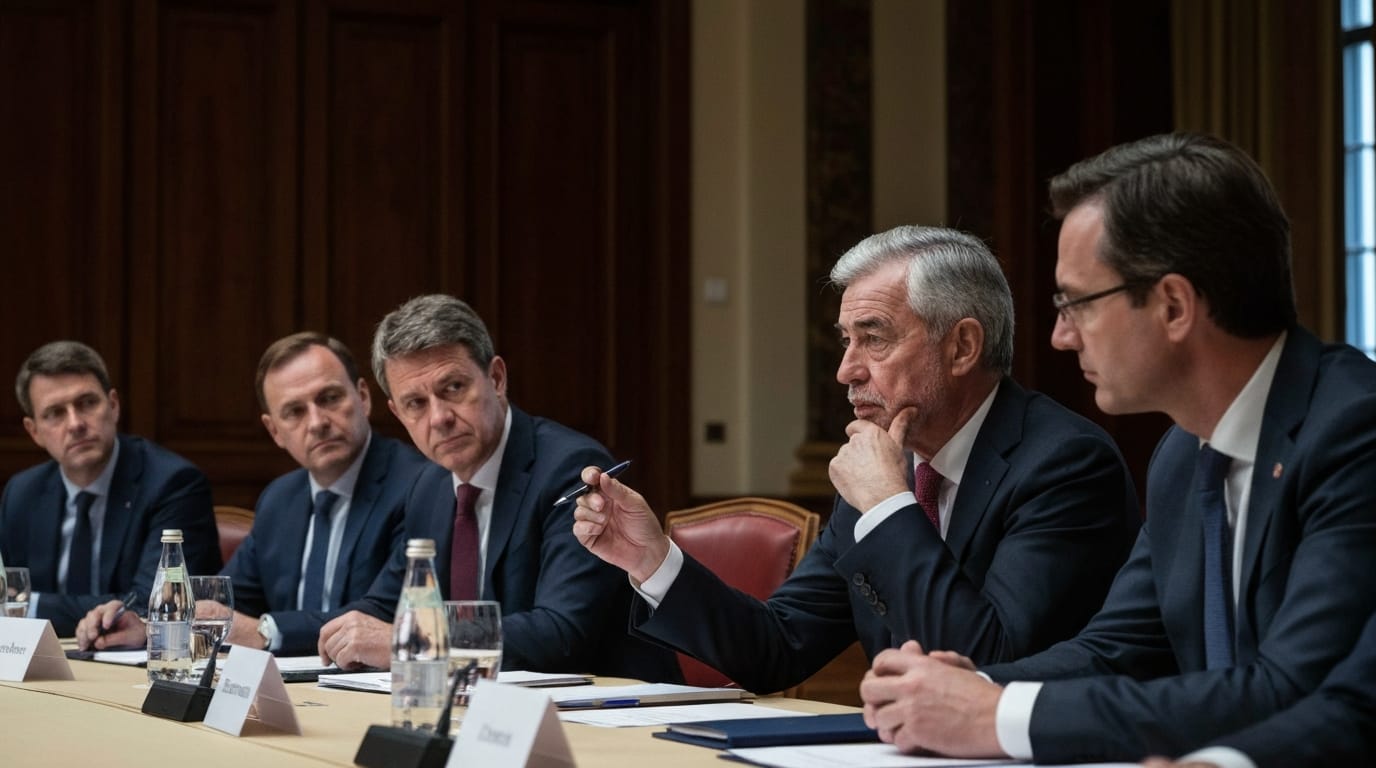
Brussels, Belgium – Europe finds itself at a profound diplomatic crossroads, wrestling with the complex question of whether and how to re-engage with Russia as the protracted conflict in Ukraine continues to reshape the continent's security landscape. While a staunch majority of European Union member states remain firmly committed to isolating Moscow and bolstering Kyiv, persistent voices within the bloc are beginning to explore the challenging path toward renewed dialogue, driven by concerns over long-term stability, de-escalation, and the necessity of managing shared geopolitical risks. This nascent debate underscores deep philosophical and strategic rifts within the European project, balancing the imperative of defending international law against the pragmatic considerations of coexisting with a formidable, unpredictable neighbor.
The Frozen Frontier: Sanctions, Support, and Shifting Sands
Relations between the European Union and Russia plummeted to historic lows following Moscow's full-scale invasion of Ukraine in February 2022. The EU swiftly implemented a comprehensive array of sanctions targeting Russia's financial sector, energy exports, and key individuals, while simultaneously channeling unprecedented military and financial aid to Ukraine. This unified response solidified Europe's commitment to Kyiv's sovereignty and territorial integrity, with many leaders asserting that any meaningful engagement with Russia is contingent upon a complete withdrawal from Ukrainian territory and accountability for war crimes. However, as the conflict extends into its third year, a subtle recalibration of rhetoric has begun to emerge from certain European capitals, signaling a quiet acknowledgment that Russia, regardless of its current actions, remains a permanent fixture on the European continent. The economic burden of sanctions, the geopolitical ramifications of a prolonged war, and the specter of an enduring, low-trust standoff are all contributing to a cautious re-evaluation of the long-term diplomatic strategy.
The Case for Re-engagement: Pragmatism, Security, and Global Challenges
Proponents of renewed diplomatic channels argue that while firm condemnation and support for Ukraine are non-negotiable, completely severing communication lines with a nuclear power and permanent UN Security Council member is neither sustainable nor safe in the long run. These voices, often found in countries like France and, historically, Germany, emphasize the importance of maintaining avenues for de-escalation, crisis management, and eventual arms control discussions. They point to the need to address common global challenges, such as climate change, nuclear proliferation, and potential future pandemics, which ultimately require some level of international cooperation. Furthermore, some member states, particularly those grappling with energy security concerns or seeking to mitigate the economic fallout of sanctions, openly express a desire for an eventual return to more normalized relations. They contend that a strategy solely based on isolation may not effectively alter Russia's strategic calculus and could inadvertently push Moscow further into alignment with rival geopolitical blocs, ultimately diminishing Europe's influence and increasing regional instability.
Deep Divisions and Formidable Obstacles
Despite the quiet emergence of a pro-dialogue faction, the path to boosting diplomacy with Russia is fraught with immense challenges and stark opposition. States on Europe's eastern flank—including Poland, Lithuania, Latvia, and Estonia—along with Scandinavian nations, remain vehemently against any softening of the EU's stance. For these countries, Russia's aggression in Ukraine represents an existential threat to European security and democracy. They contend that any diplomatic overture without clear, irreversible concessions from Moscow would be perceived as appeasement, undermining the sacrifices made by Ukraine and legitimizing Russian aggression. The pervasive lack of trust, fueled by Russia's consistent violations of international law and its disinformation campaigns, forms an almost insurmountable barrier to constructive engagement for many.
Furthermore, the European Union's institutional position, as articulated by the European Commission and the European Parliament, largely aligns with the tougher line. A significant portion of European leadership maintains that the conditions for a fundamental shift in relations do not currently exist, stressing that Russia must demonstrate a genuine commitment to international law and respect for the sovereignty of its neighbors before any comprehensive diplomatic restart can be considered. The ongoing war crimes allegations, the forceful abduction of Ukrainian children, and Moscow's unwavering rhetoric regarding its objectives in Ukraine only serve to solidify this resolute opposition, ensuring that internal EU divisions on Russia policy will likely persist for the foreseeable future.
Charting an Uncertain Future: Conditional Engagement or Enduring Estrangement?
The debate within Europe is not merely about whether to talk to Russia, but under what precise conditions such engagement might occur. For a majority of member states, any future diplomacy would necessarily be highly conditional, tied directly to Russia's actions in Ukraine. Potential prerequisites could include a complete cessation of hostilities, a withdrawal of forces, or a commitment to participate in a genuine peace process that respects Ukraine's territorial integrity. However, Moscow has shown little inclination to meet such demands, further complicating the prospect of a unified European approach.
The evolving geopolitical landscape also plays a critical role. The outcome of the conflict in Ukraine, the nature of future security arrangements on the continent, and the broader global power dynamics will all influence Europe's long-term strategy. Some analysts suggest that even if comprehensive political dialogue remains elusive, more limited, tactical engagement on specific, mutually beneficial issues—such as nuclear safety around the Zaporizhzhia power plant or prisoner exchanges—might gain traction. Yet, the overarching question of how to construct a durable security framework in Europe that either includes or effectively manages Russia remains unanswered, highlighting the immense strategic challenge confronting the continent's leaders.
Europe's decision regarding its future diplomatic posture toward Russia is a high-stakes endeavor, laden with complex ethical, strategic, and security considerations. The delicate balance between steadfast support for Ukraine, adherence to international principles, and the pragmatic necessity of managing a powerful and unpredictable neighbor will continue to test the unity and resolve of the European Union. As the continent navigates this fraught geopolitical terrain, the internal debate over diplomacy with Moscow reflects a fundamental struggle to define Europe's place in a rapidly changing world, with profound implications for peace and security across the globe.


