Somalia and Saudi Arabia Cement Strategic Ties Amidst Evolving Regional Dynamics
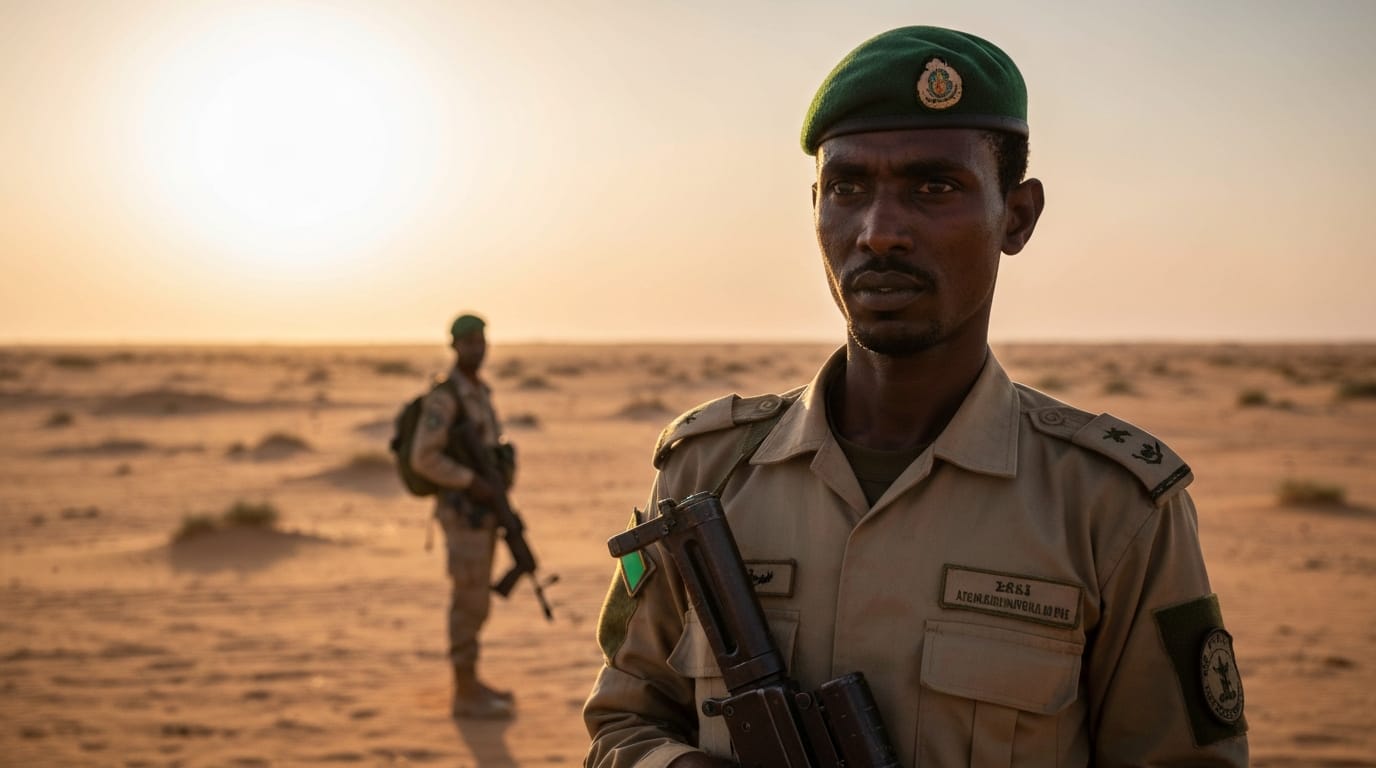
Mogadishu and Riyadh are quietly strengthening a strategic partnership, driven by converging interests in regional stability, counter-terrorism, and the crucial security of the Red Sea shipping lanes. While not always heralded by overt, singular "military deals," the deepening cooperation between Somalia and Saudi Arabia represents a significant shift in the Horn of Africa's geopolitical landscape, positioning Saudi Arabia as a key player in Somalia's long-term security and economic development. This multifaceted engagement extends beyond conventional military aid, encompassing financial support, diplomatic backing, and shared objectives in combating radical extremism, signaling a more robust and enduring alliance.
A History of Aid Meets Evolving Geostrategic Imperatives
Saudi Arabia's involvement in Somalia is not new, historically rooted in humanitarian assistance and religious ties. For decades, the Kingdom has provided substantial aid to the drought-stricken nation, delivering food, medical supplies, and development assistance. However, the nature of this relationship has evolved significantly in recent years, transforming from purely philanthropic endeavors to a more strategically motivated engagement. Riyadh's growing interest aligns with its broader foreign policy objectives under Vision 2030, which seeks to enhance its regional influence, secure vital trade routes, and counter extremist ideologies that threaten both internal and external stability. For Somalia, a nation grappling with persistent insecurity and the arduous task of state-building after decades of conflict, Saudi support offers a crucial lifeline. The federal government in Mogadishu has actively sought international partners to bolster its security forces, rebuild institutions, and foster economic growth, finding a willing and capable ally in the Kingdom. This convergence of historical goodwill with contemporary strategic needs forms the bedrock of their increasingly important collaboration.
Counter-Terrorism as a Shared Front: The Al-Shabaab Challenge
At the heart of the Somalia-Saudi Arabia partnership lies a shared and urgent imperative: the fight against terrorism, particularly the Al-Qaeda-linked Al-Shabaab militant group. Al-Shabaab continues to pose the primary internal threat to Somalia's fragile government, orchestrating deadly attacks and controlling vast swathes of rural territory. For Saudi Arabia, a nation that has itself faced the scourge of extremist violence, supporting efforts to degrade and defeat Al-Shabaab is a strategic priority. This shared threat has led to various forms of cooperation, including intelligence sharing, capacity building for Somali security forces, and financial contributions aimed at strengthening Somalia's counter-terrorism capabilities. Somalia is also a member of the Islamic Military Counter Terrorism Coalition (IMCTC), a Saudi-led alliance, further cementing its commitment to a unified front against extremism. The Kingdom's support helps equip and train Somali soldiers, enabling them to reclaim territory and maintain security in liberated areas. This assistance is critical as the African Union Transition Mission in Somalia (ATMIS) prepares for its eventual withdrawal, placing greater responsibility on Somali forces. The long-term stability of Somalia directly impacts regional security, making Saudi investment in its counter-terrorism efforts a strategic necessity for the entire Horn of Africa.
Securing the Red Sea: A Maritime Lifeline
Beyond land-based counter-terrorism, the security of the Red Sea and Gulf of Aden represents another critical pillar of the Somalia-Saudi Arabia relationship. The Red Sea is one of the world's busiest shipping lanes, vital for global trade and energy supplies, connecting the Mediterranean Sea to the Indian Ocean via the Suez Canal. For Saudi Arabia, whose western coastline borders the Red Sea, ensuring its safety from piracy, smuggling, and hostile state or non-state actors is paramount to its economic prosperity and national security. Somalia, with its extensive coastline along this critical maritime corridor, plays an indispensable role in Red Sea security. A stable and capable Somali state is essential for monitoring and controlling maritime traffic, preventing illegal activities, and contributing to broader regional maritime security initiatives. Saudi Arabia's interest in bolstering Somalia's naval and coastal defense capabilities, though often unpublicized, serves this strategic objective. By investing in Somalia's capacity to police its waters and secure its ports, Riyadh indirectly protects its own maritime interests and enhances the overall security of this global chokepoint. This dimension of cooperation underscores the geostrategic significance of Somalia in Saudi Arabia's regional calculus.
Economic Diplomacy and Balancing Regional Influence
Saudi Arabia's engagement in Somalia also reflects a broader strategy of economic diplomacy and the projection of influence in the Horn of Africa. The region is a contested space, with various international powers vying for strategic footholds. Saudi Arabia, alongside its Gulf neighbors like the United Arab Emirates and Qatar, has been actively pursuing closer ties with states in the Horn, offering significant financial aid, investment, and development projects. For Somalia, this influx of Saudi capital and support provides an alternative to relying solely on traditional Western donors or other regional players. Saudi investments often target infrastructure development, energy projects, and humanitarian initiatives, which contribute to Somalia's long-term stability and economic resilience. This approach allows Saudi Arabia to build strong diplomatic bridges, cultivate loyalty, and enhance its standing as a powerful regional benefactor. The economic dimension of the partnership is crucial, as it provides tangible benefits to the Somali populace, reinforces government legitimacy, and helps address the root causes of instability, such as poverty and lack of opportunity. This diplomatic maneuvering also positions Saudi Arabia to counter rival influences in the region, ensuring that its strategic interests are well-represented in a highly competitive environment.
Complexities and the Path Forward
While the growing partnership between Somalia and Saudi Arabia offers significant benefits, it is not without its complexities. Somalia's sovereignty and its relationships with other international partners remain delicate issues, requiring careful navigation. External influence, regardless of its source, can sometimes complicate internal political dynamics or raise concerns about dependency. However, for Somalia, a nation still recovering from decades of conflict and grappling with immense security and development challenges, the consistent support from Saudi Arabia is an invaluable asset. The path forward for this strategic alliance will likely involve a continued focus on capacity building for Somali security forces, sustained financial assistance for critical government functions and development projects, and enhanced intelligence sharing in the fight against terrorism. As regional dynamics continue to evolve and global competition intensifies, the Somalia-Saudi Arabia relationship is poised to become an even more critical component of stability and security in the Horn of Africa and the broader Red Sea region. Its success will depend on mutual respect, transparent engagement, and a clear understanding of shared long-term objectives.
The strategic alignment between Somalia and Saudi Arabia reflects a sophisticated interplay of security imperatives, economic interests, and regional power dynamics. From bolstering Somalia's fight against Al-Shabaab to securing critical maritime routes in the Red Sea and fostering economic development, Riyadh's deepening engagement with Mogadishu is a testament to the enduring importance of the Horn of Africa. As Somalia continues its arduous journey toward stability and prosperity, and Saudi Arabia expands its regional influence, their collaborative efforts will undoubtedly play a pivotal role in shaping the future security architecture of a vital global corridor.


