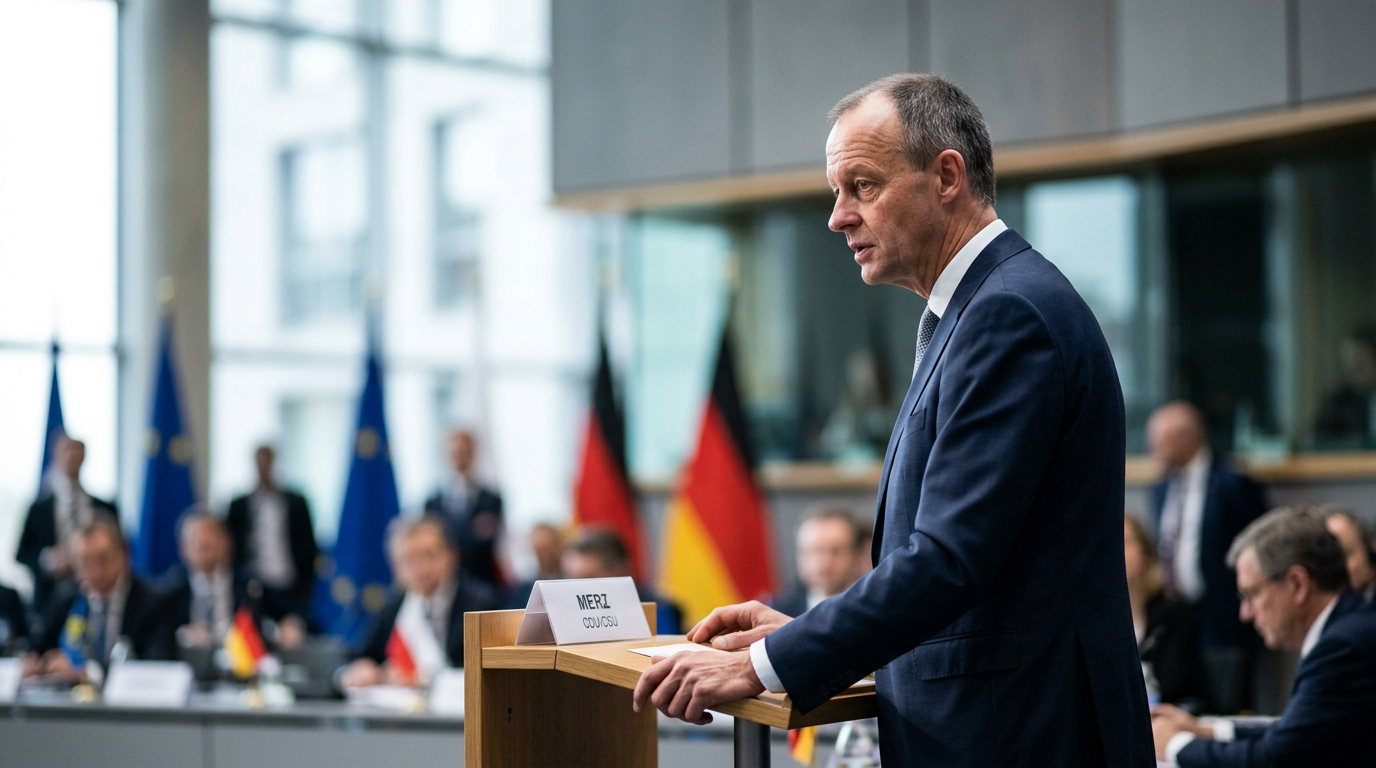
Europe Mobilizes for Peace: Setting Red Lines Amidst Stalled Ukraine Talks
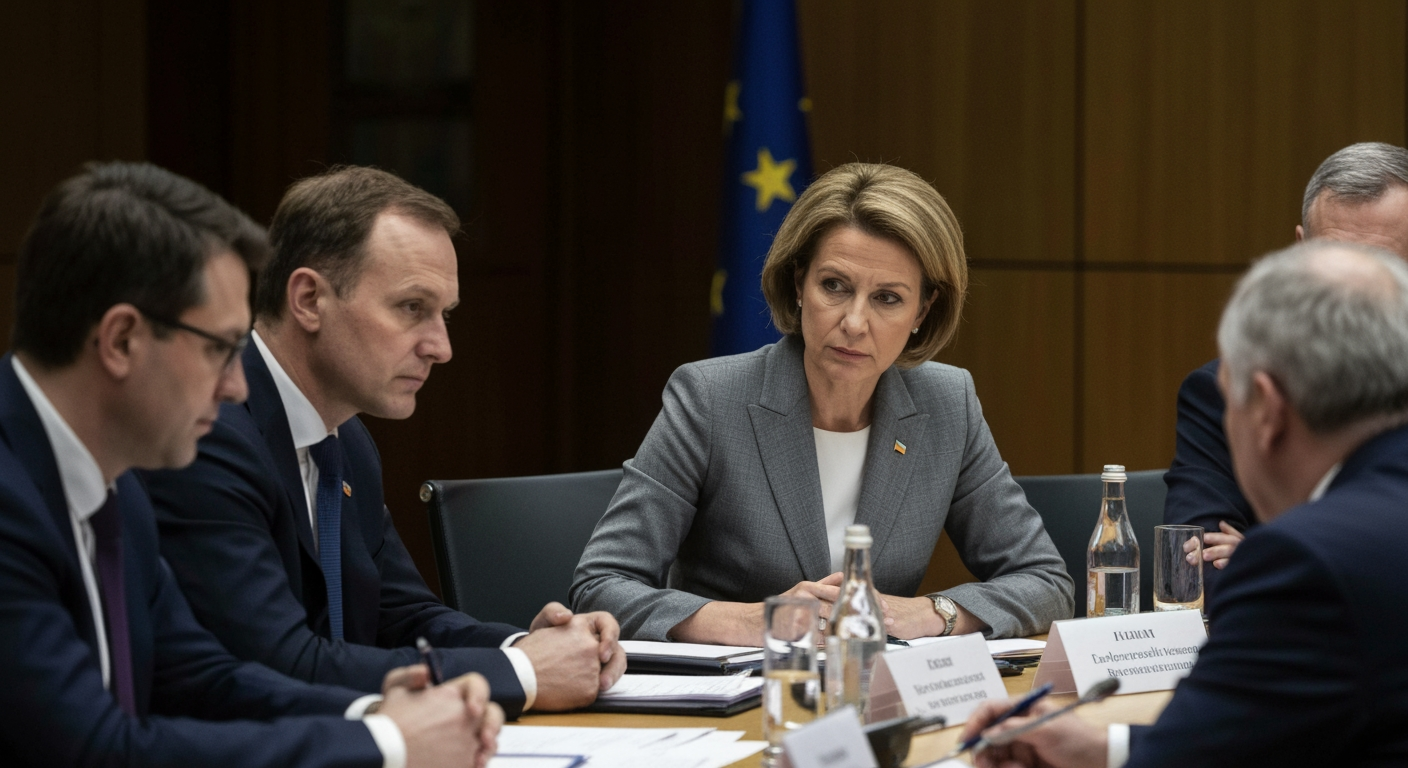
BRUSSELS — As the protracted conflict in Ukraine enters its fifth year, Europe is stepping up its diplomatic efforts, actively formulating a comprehensive list of demands for Russia as a prerequisite for any lasting peace settlement. This assertive stance emerges amidst growing frustration with the stalled U.S.-brokered negotiations and concerns that European and Ukrainian interests are not being adequately represented on the international stage. The move signals a concerted push by the European Union to assert its influence in shaping the future security architecture of the continent, with key officials emphasizing that genuine peace hinges on concessions from Moscow, not Kyiv.
Recent trilateral discussions involving Russia, Ukraine, and the United States in Abu Dhabi yielded a prisoner exchange, the first such swap since October, but failed to produce any significant breakthrough on core political issues. While U.S. President Donald Trump has expressed optimism about the proximity of a peace deal and imposed a June 2026 deadline for an agreement, Russian Foreign Minister Sergey Lavrov has dismissed such sentiments, asserting that negotiations remain far from conclusion and cautioning against "excessive optimism." Ukrainian President Volodymyr Zelenskyy has underscored the critical need for reliable security guarantees as the foundation for durable peace, warning that without them, Russia could easily breach agreements through renewed military action.
The European Imperative: Crafting a Sustainable Peace Plan
The European Union's decision to draft its own set of conditions stems from a perception that Russia is not engaging in peace talks with genuine intent and that the U.S. approach may not fully align with European and Ukrainian strategic goals. EU foreign policy chief Kaja Kallas articulated this position, stating that the 27-nation bloc is "very grateful" for U.S. diplomatic efforts but stressed that "to have sustainable peace also, everybody around the table including the Russians and the Americans need to understand that you need Europeans to agree." She emphasized that conditions for peace should be placed upon Russia, not Ukraine.
This initiative reflects a broader European awakening to its role as a strategic actor in global affairs, particularly in its immediate neighborhood. French President Emmanuel Macron has advocated for Europe to reopen diplomatic channels with Moscow, arguing against delegating this critical discussion solely to other parties. However, internal debates persist within Europe regarding the timing and efficacy of appointing a special envoy, with some questioning whether Russia or the U.S. are genuinely receptive to increased European participation in negotiations. The consensus emerging from Brussels, however, is that Europe must actively define the terms for peace to ensure its own long-term security and uphold international law.
Core Demands and Unwavering Red Lines
While the precise contours of Europe's list of demands are still being finalized, early indications suggest a strong focus on accountability, territorial integrity, and future security. Key conditions reportedly under consideration include the imperative for Russia to facilitate the return of potentially thousands of Ukrainian children abducted during the conflict. Another significant demand is the imposition of limits on the size of the Russian armed forces post-conflict, a direct counter to Russia's insistence on capping Ukraine's military capabilities. Kallas notably dismissed the idea of limiting Ukraine's army, stating, "The Ukrainian army is not the issue. It's the Russian army. It's the Russian military expenditure. If they spend so much on the military they will have to use it again."
Crucially, Ukraine's eventual integration into the European Union is increasingly seen as an integral component of any durable peace settlement. The EU is exploring various options to embed Ukraine's membership within a future peace deal, including granting Kyiv immediate protection and access to certain membership rights, or establishing a clear timeframe for a gradual accession process. Ukrainian President Zelenskyy has expressed a desire for EU membership by 2027 as part of Ukraine's own 20-point peace plan, a goal supported by many within the EU, though some member states, like Germany, view a 2027 accession as highly ambitious given the comprehensive reforms required. Efforts are also underway to devise a "reverse enlargement" process or partial membership to bypass potential blockades, particularly from countries like Hungary, which has historically obstructed Ukraine's path.
Russia's Maximalist Stance and Persistent Obstacles
In stark contrast to European and Ukrainian positions, Russia continues to articulate maximalist demands that present formidable obstacles to peace. Moscow insists on the "denazification" and "demilitarization" of Ukraine, which effectively translates to a demand for the removal of the current Ukrainian government and its replacement with a pro-Russian regime, alongside severe limitations on Ukraine's ability to defend itself. Russian Foreign Minister Lavrov has explicitly stated that Russia would prevent the deployment of "any weapons that threaten [Russia] on Ukrainian territory" and that a peace settlement must eliminate Ukraine's "Nazi roots" to ensure Russia's security.
The territorial question remains the most contentious issue. Russia continues to demand Ukraine's withdrawal from areas of Donbas still under Kyiv's control. While U.S.-brokered talks reportedly considered a proposal for a free economic zone in Donbas, Ukraine's firm position is that territorial issues must be resolved along current lines, a stance rooted in its national sovereignty. Russian Deputy Foreign Minister Alexander Grushko has also stressed that any peace agreement must include security guarantees for Moscow, claiming that Western leaders focus exclusively on Ukraine's security while ignoring Russia's interests. This reflects a core disagreement: Ukraine seeks guarantees against future Russian aggression, while Russia seeks guarantees that would effectively neutralize Ukraine's defensive capabilities and strategic alignments.
Moreover, despite the ongoing diplomatic overtures, Russia has shown little willingness to de-escalate. Reports indicate continued military aggression, including the use of cluster munitions and targeted attacks on Ukraine's energy infrastructure during the coldest winter months, even as talks are underway. This relentless military pressure reinforces the European view that Russia is not negotiating in good faith but rather using talks as a tactic to gain time. An Estonian intelligence official noted that Russian President Vladimir Putin believes he can "outsmart" the United States in talks and has no desire to halt the invasion, playing for time while still believing in a military victory.
The Complex Path Forward: Navigating Geopolitical Fault Lines
The evolving landscape of peace negotiations highlights a complex interplay of international actors and diverging interests. The U.S. push for a June 2026 peace deal, driven in part by the looming U.S. midterm elections, has generated a sense of urgency. However, the perceived shifting signals from Washington and a US-backed peace plan leaked in November 2025, which reportedly leaned heavily towards Russian interests and "blindsided European capitals," have amplified Europe's determination to define its own terms.
Europe's unified front on sanctions and aid to Ukraine, alongside its proactive approach to peace conditions, demonstrates a commitment to strengthening its strategic autonomy. Yet, challenges remain, including internal disagreements within the EU and the need to reconcile differing perspectives on how best to engage with Moscow. The Organization for Security and Co-operation in Europe (OSCE) remains poised to support the monitoring of a ceasefire and the implementation of a peace arrangement, underscoring the international community's readiness to act if conditions allow.
Ultimately, the path to peace for Ukraine remains fraught with profound challenges. The chasm between Russia's maximalist demands and Europe's and Ukraine's insistence on sovereignty, territorial integrity, and robust security guarantees appears vast. As Europe solidifies its demands, the diplomatic pressure on Moscow is set to intensify, seeking to compel a shift towards genuine and constructive engagement. The coming months will be crucial in determining whether this renewed European resolve can translate into a viable framework for an end to the devastating conflict and the establishment of a lasting peace.
Related Articles

Ratko Mladić, "Butcher of Bosnia" and Convicted War Criminal, Dies at 84
THE HAGUE, Netherlands – Ratko Mladić, the former Bosnian Serb military commander known as the "Butcher of Bosnia" and convicted of genocide, war crimes, and crimes against humanity, has died at the age of 84. Serbian...

Long-Awaited 9/11 Mastermind Trial Set for 2028, Decades After Attacks
GUANTANAMO BAY, Cuba – Nearly a quarter-century after the devastating terror attacks of September 11, 2001, a military judge has finally set a trial date for Khalid Sheikh Mohammed, the alleged mastermind behind the...