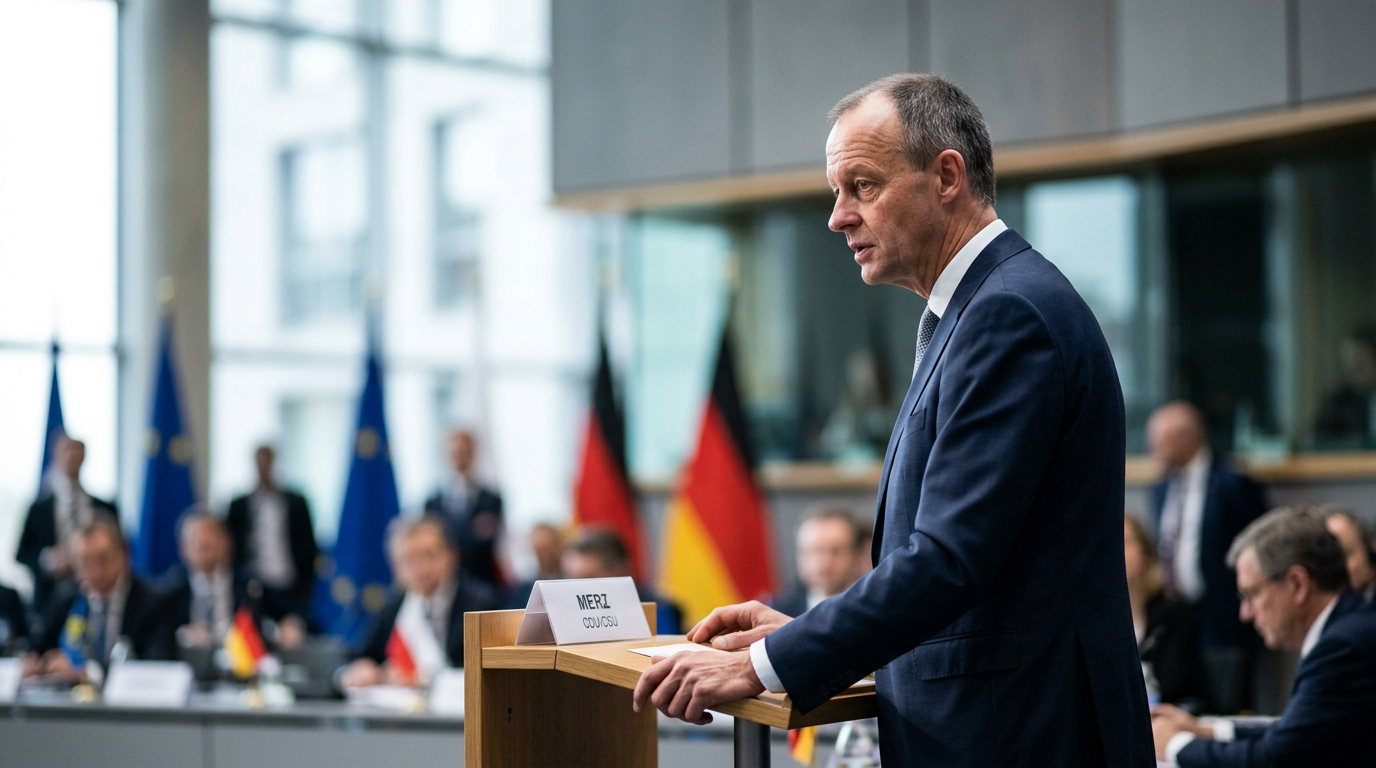
Europe Seals Historic Deal: Russian Gas Era Ends by 2027
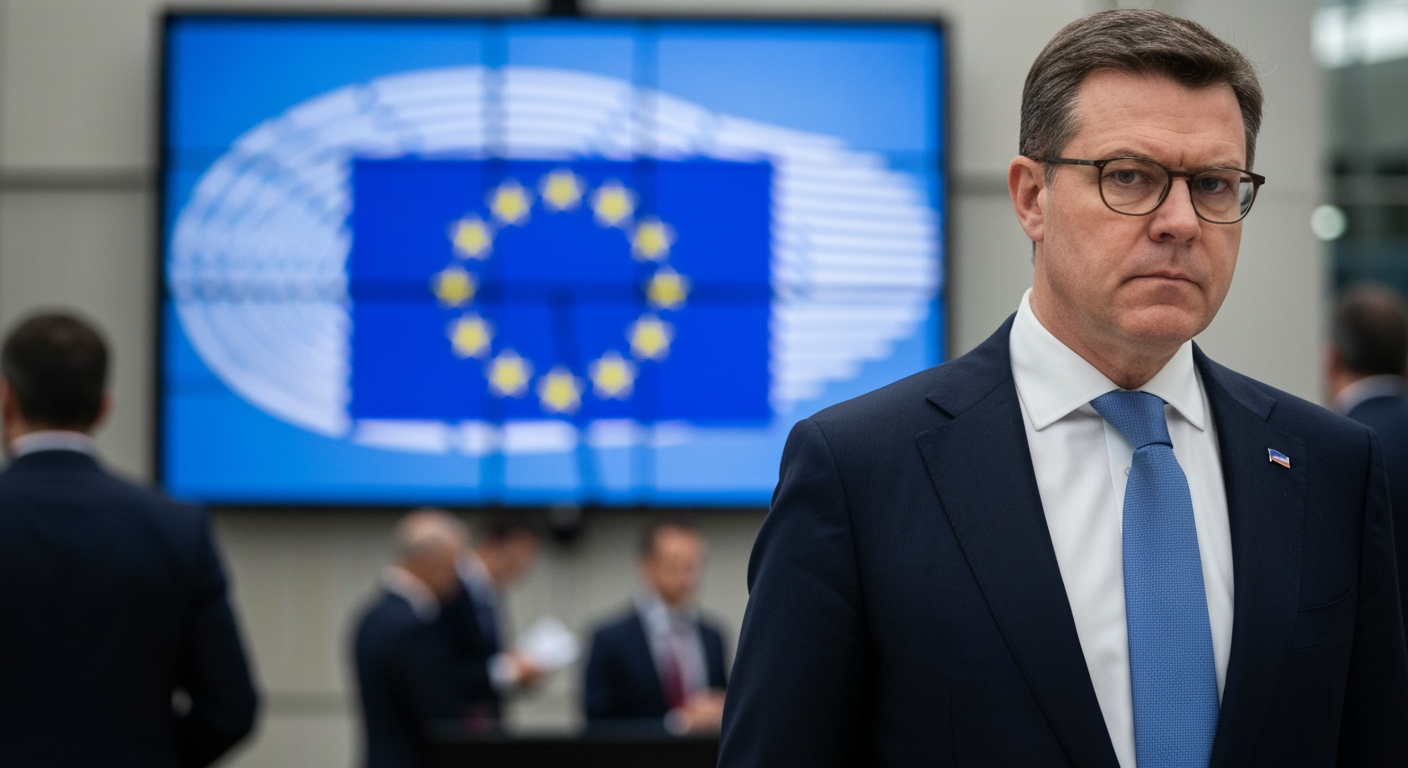
BRUSSELS – In a monumental shift poised to redefine the continent's energy landscape, the European Union has given its final approval to a comprehensive and legally binding plan to ban all Russian gas imports by the end of 2027. This decisive action marks the culmination of nearly four years of concerted effort to disentangle Europe from its deep-rooted energy reliance on Moscow, a dependency dramatically exposed and weaponized following Russia's full-scale invasion of Ukraine in February 2022. The move, celebrated by EU officials as a step towards permanent energy independence, underscores a strategic pivot aimed at bolstering security, stabilizing markets, and accelerating the transition to clean energy.
The landmark decision, formally adopted by EU member states, mandates a stepwise prohibition on both liquefied natural gas (LNG) and pipeline gas from Russia. Under the agreement, LNG imports will be halted by the end of 2026 or early 2027, with pipeline gas imports set to cease by September 30, 2027. An allowance permits a potential extension of the pipeline gas deadline to November 1, 2027, should a member state face difficulties in filling its gas storage ahead of winter. This phased approach is designed to mitigate immediate supply shocks and price volatility, a critical concern after Russia supplied more than 40% of the EU's gas before the 2022 invasion.
The Genesis of Disentanglement
For decades, Russian gas flowed steadily into Europe, forging an intricate energy relationship that at its peak saw Russia account for approximately 45% of the EU's total gas imports in 2021. This extensive reliance was built through a network of pipelines, including the now-controversial Nord Stream system, and afforded Moscow significant geopolitical leverage. The turning point arrived with the invasion of Ukraine, as Russia began to curtail gas supplies, transforming energy into a tool of political pressure and economic destabilization against European nations supporting Kyiv.
In response, the European Commission swiftly launched the REPowerEU plan in May 2022, a comprehensive strategy aimed at rapidly reducing the EU's dependence on Russian fossil fuels, accelerating renewable energy deployment, and improving energy efficiency. The plan, driven by the urgent need to sever financial ties that indirectly fueled Russia's war effort, has already yielded substantial results. Between 2021 and 2025, the bloc's imports of Russian gas, including both pipeline gas and LNG, plummeted by 75%. Russia's share of EU gas imports, which stood at 45% before the war, fell to 19% by 2024 and approximately 13% in the first half of 2025.
Despite broad consensus, the agreement was not unanimous. Hungary and Slovakia cast dissenting votes, citing their continued heavy reliance on Russian energy imports. Hungary has even indicated plans to challenge the ban before the European Court of Justice, highlighting the varied energy security realities across member states.
Forging New Energy Pathways
The rapid reduction in Russian gas imports has necessitated an aggressive pivot towards diversified energy sources and accelerated green transition initiatives. Liquefied natural gas (LNG) has emerged as a critical short-to-medium-term alternative, with the EU significantly increasing its LNG imports. The United States has become a dominant supplier, providing 57% of the EU's LNG imports in 2025, and now accounts for nearly 40% of the European Economic Area's total gas imports. Looking ahead, both the U.S. and Qatar are projected to double their LNG production in the coming years, promising an adequate global supply to meet Europe's future needs.
Beyond import diversification, the EU has intensified its commitment to renewable energy. The REPowerEU strategy targets 45% of the EU's energy to come from renewables by 2030. In a significant milestone, wind and solar power collectively generated more electricity than fossil fuels across the EU for the first time in 2025, constituting 30% of the bloc's total electricity generation. This surge in renewables is complemented by substantial investments in energy efficiency and demand reduction, with the EU successfully cutting its gas demand by over 20% between 2021 and 2024. The REPowerEU plan aims to further slash gas demand by 155 billion cubic meters, equivalent to the amount imported from Russia in 2021. Moreover, collaborative efforts like the EU Energy Platform have facilitated common gas procurement, ensuring more affordable access to energy and preventing member states from competing against each other for scarce supplies.
Economic and Geopolitical Ripple Effects
The economic implications of this energy divorce are far-reaching for both Europe and Russia. For the EU, the ban represents a deliberate trade-off. While it aims to prevent future energy blackmail and ensure market stability, concerns persist regarding the competitiveness of European industries in a landscape of potentially higher energy costs, particularly with the increased reliance on more expensive U.S. LNG. EU officials maintain that the gradual nature of the ban was essential to avoid severe energy supply shocks and price surges.
For Russia, the ban signifies a substantial blow to its economy, historically heavily reliant on oil and gas revenues. While Russia managed to earn an estimated €215 billion from gas sales to the EU during the wartime period despite reduced volumes, and the EU spent approximately €7.2 billion on Russian LNG in 2025, the impending complete cessation of imports will eliminate a crucial market. Moscow faces the daunting challenge of reorienting its energy exports, primarily towards Asian markets like China, a task complicated by limited pipeline infrastructure. The EU's robust penalties for non-compliance, including fines up to €40 million or 3.5% of annual turnover, underscore the bloc's determination to enforce the ban.
The Path Forward: Challenges and Transformation
As the 2027 deadline approaches, Europe confronts a new set of challenges in fully realizing its energy independence. These include ensuring stable energy supplies across all member states, managing the necessary infrastructure upgrades for diversified imports, and navigating the cost implications for consumers and industries. The reliance on U.S. LNG, while critical for diversification away from Russia, introduces a new form of geopolitical dependency and exposure to price volatility, requiring careful monitoring.
To address these, EU member states are required to submit national diversification plans by March 1, 2026, outlining precise measures and milestones for eliminating both direct and indirect Russian gas and oil imports. These plans, coupled with continued investments in renewables, energy efficiency, and a strengthened energy grid, are central to the EU's long-term vision. The ambition is not merely to replace one supplier with another, but to forge a resilient, independent, and sustainable energy system that aligns with its broader climate objectives. The complete ban on Russian gas by 2027 represents a pivotal moment, fundamentally redrawing Europe's energy map and signaling a new era of strategic autonomy.
Related Articles

Ratko Mladić, "Butcher of Bosnia" and Convicted War Criminal, Dies at 84
THE HAGUE, Netherlands – Ratko Mladić, the former Bosnian Serb military commander known as the "Butcher of Bosnia" and convicted of genocide, war crimes, and crimes against humanity, has died at the age of 84. Serbian...


Long-Awaited 9/11 Mastermind Trial Set for 2028, Decades After Attacks
GUANTANAMO BAY, Cuba – Nearly a quarter-century after the devastating terror attacks of September 11, 2001, a military judge has finally set a trial date for Khalid Sheikh Mohammed, the alleged mastermind behind the...