European Capitals of Culture 2026: Oulu and Trenčín Poised for Cultural Transformation
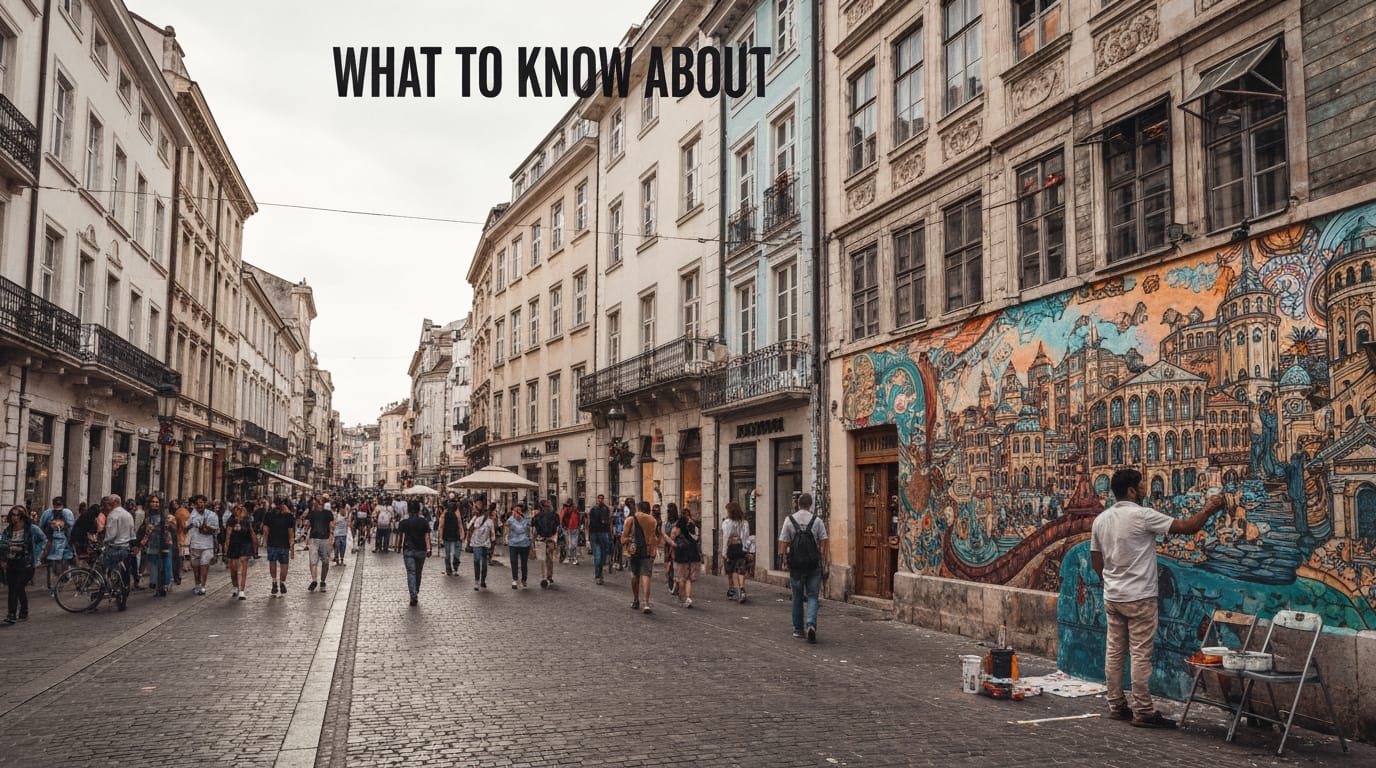
The European Union's esteemed European Capital of Culture (ECoC) initiative sets the stage for a year of unparalleled cultural celebration and urban revitalization in 2026, as Oulu, Finland, and Trenčín, Slovakia, proudly assume the coveted title. These two cities, one situated in the innovative heart of northern Finland and the other nestled in western Slovakia, are gearing up to showcase their unique cultural identities, foster European understanding, and catalyze significant socio-economic growth through ambitious year-long programs. Their selection underscores the enduring commitment of the EU to harness culture as a driving force for development and cross-border collaboration.
The formal handover of the prestigious title from the 2025 European Capitals of Culture, Chemnitz (Germany) and Nova Gorica (Slovenia), took place on December 5, 2025, marking the transition and setting expectations high for the incoming cities. Oulu and Trenčín have already unveiled the core philosophies that will guide their cultural years, with Oulu championing "Cultural Climate Change" and Trenčín embracing "Awakening Curiosity." These themes reflect a forward-looking approach, aiming not only to entertain but also to inspire societal reflection and connection.
The Genesis and Goals of a Landmark Initiative
The European Capital of Culture initiative, a flagship program of the European Union, was launched in 1985, championed by the then Greek Minister of Culture, Melina Mercouri. Since its inception, over 70 cities across Europe have been awarded the title, transforming it into one of the most recognized and appreciated cultural initiatives among European citizens. The overarching goal of the ECoC program is multifaceted: to highlight the rich diversity of European cultures while simultaneously celebrating their common features, thereby contributing to a better understanding among the citizens of Europe. Furthermore, the initiative aims to foster the significant contribution of culture to the development of cities, recognizing its power as a catalyst for positive change.
The program has evolved significantly since its early days when only one city, often a capital, was designated annually. A new framework introduced in 1999, further refined in 2007 and 2017, now typically sees two cities from different EU Member States designated each year, ensuring a broader and more equitable distribution of the title. An independent panel of experts plays a crucial role in the rigorous two-stage selection process, which often begins six years before the title year, allowing ample time for comprehensive planning and preparation. This extended timeline is vital for embedding the event within a long-term cultural strategy, fostering citizen engagement, establishing necessary European connections, and developing essential infrastructure.
Catalyzing Growth: The Transformative Impact on Host Cities
Hosting the European Capital of Culture offers cities an unparalleled opportunity to showcase their cultural life and drive cultural development. Beyond the immediate cultural festivities, the designation is a proven engine for generating considerable social and economic benefits, fostering urban development, transforming the city's image, and significantly raising its international visibility and profile.
Evaluations of past ECoC events consistently demonstrate a remarkable positive impact. On average, host cities have seen visitor numbers surge by 30-40%, leading to a substantial boost in international visibility and cultural tourism. Cultural activity within these cities typically increases by an astonishing 300-500% during the ECoC year compared to preceding years. Financially, the initiative is remarkably cost-effective; an annual EU support of €3-5 million has leveraged approximately €900 million in cultural investment across Europe, with host cities often experiencing their cultural budgets increasing by around five times. Furthermore, economic studies indicate that hosting an ECoC can lead to a significant increase in a region's GDP per capita, ranging from 1.1% to 4.34%, with some studies pointing to a 4.5% rise. Employment figures also show a positive trend, with an increase of 2.2% to 3.2% in subsequent years for regions hosting the event. These benefits extend beyond short-term gains, contributing to long-term urban regeneration, enhanced civic participation, and strengthened cultural and creative sectors. The Melina Mercouri Prize, currently valued at €1.5 million, further supports the implementation of the cultural program.
Oulu's "Cultural Climate Change": A Northern Vision
Oulu, the largest city in northern Finland, embarks on its ECoC year with the profound theme of "Cultural Climate Change." This concept is more than just an artistic statement; it's a strategic vision to inject new energy into the entire region through arts and culture. The Oulu2026 project aims to address cross-border demands through cooperative efforts and foster new forms of solidarity. The Finnish central government has committed EUR 20 million to finance Oulu's ambitious project.
Oulu's program extends its reach across 39 municipalities in Northern Finland, aiming to create clusters of creative industries, extensively harness and make visible cultural heritage, and launch numerous projects that intertwine arts and culture with sustainable development, tourism, technology, and science. The cultural program is structured around three main themes: "Brave Hinterland," "Wild City," and "Cool Contrasts," reflecting the unique characteristics and aspirations of the region. Significant projects, such as "Boost!" (2023–2024) and "Equal Oulu2026" (2023–2025), underscore the comprehensive scope of Oulu's preparations, promising extensive impacts on Northern Finland's vitality, job creation, and the development of attractive living environments, particularly for young people.
Trenčín's "Awakening Curiosity": Bridging Divides in Slovakia
Trenčín, located in western Slovakia, will embark on its year as a European Capital of Culture under the compelling theme of "Awakening Curiosity." The city is preparing for a remarkable transformation, striving to evolve into a hub of modern cultural diversity. Trenčín's cultural program is meticulously designed to build bridges across three fundamental areas: people and relationships, places and public spaces, and creativity and culture.
Through a combination of artistic installations, immersive ventures, and a diverse array of cultural events, Trenčín aims to engage both visitors and residents. An example of its innovative approach is the Light Art Festival, which celebrates the arrival of spring with large-scale illuminations, interactive installations, and creative art pieces. The city's focus on "Awakening Curiosity" reflects a desire to invigorate its cultural landscape and foster a deeper connection among its communities and with Europe at large.
A Lasting Legacy for Europe
As Oulu and Trenčín prepare to take center stage, their years as European Capitals of Culture are set to reinforce the initiative's dual role: a vibrant celebration of Europe's cultural tapestry and a powerful engine for urban development and cross-cultural understanding. The comprehensive programs envisioned by both cities, rooted in their unique regional contexts, promise not only memorable cultural experiences but also a lasting legacy of regenerated urban spaces, boosted economies, and strengthened European identity. The year 2026 stands as a testament to the enduring power of culture to connect, inspire, and transform communities across the continent.