European Traditions Under Scrutiny: Spanish Epiphany Blackface Controversy Reignites Debate on Racial Sensitivity
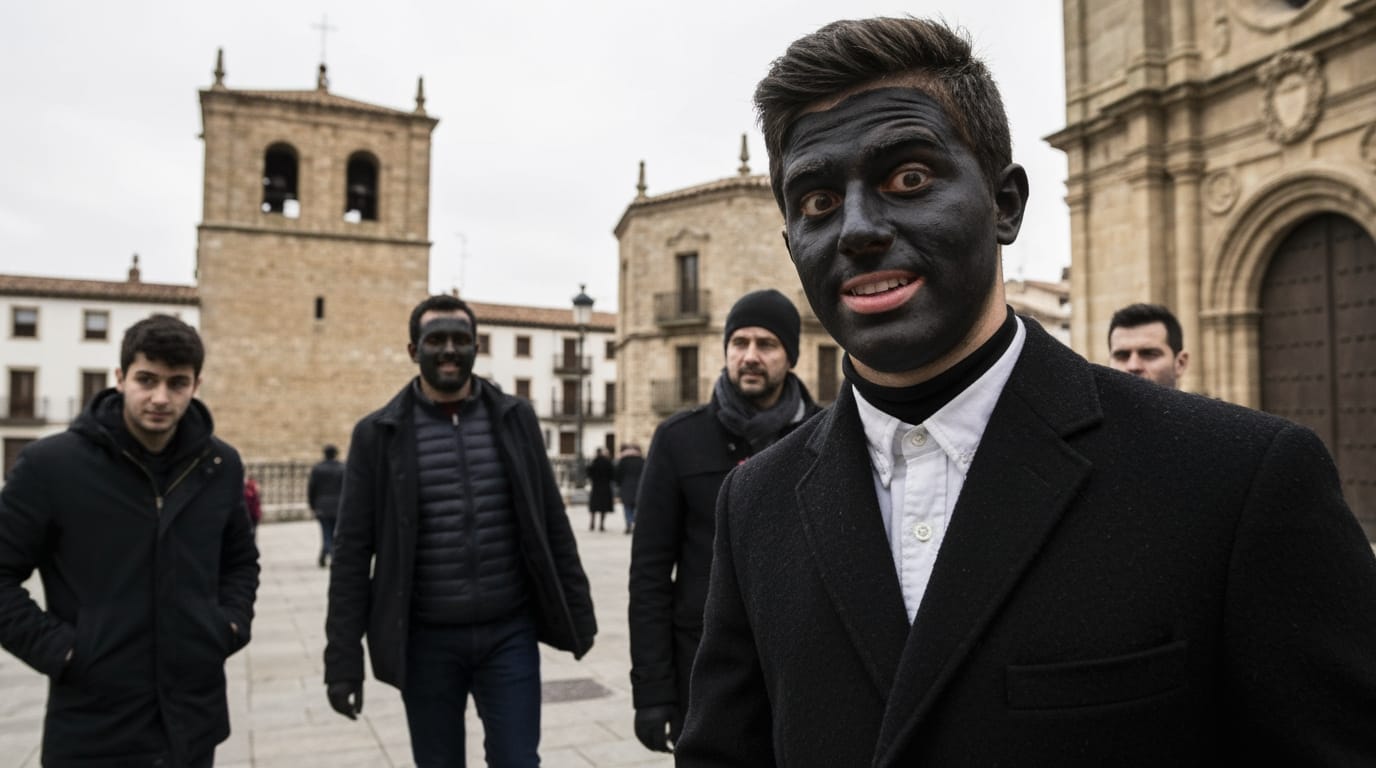
Madrid, Spain – As families across Spain celebrated the cherished Epiphany holiday this January, an age-old custom once again sparked a heated national debate, drawing international attention to the persistent use of blackface in European traditions. The annual parades, known as "Cabalgata de los Reyes Magos" or "Three Kings Parades," which commemorate the biblical visit of the Magi to baby Jesus, have become a flashpoint for anti-racism activists. They contend that the portrayal of Balthazar, one of the Three Kings traditionally depicted as Black, by white individuals in dark face paint is a harmful and demeaning practice that echoes a troubling history of racial caricature. This year, specific incidents in Madrid and Sevilla have brought the controversy to the forefront, highlighting a broader struggle across the continent to reconcile cultural heritage with contemporary calls for racial justice and inclusivity.
The Royal Controversy: Spain's Epiphany Dilemma
Epiphany, or Día de Reyes, observed on January 6th, is a profoundly significant holiday in Spain, often surpassing Christmas Day in terms of gift-giving and festive parades. On the eve of the holiday, January 5th, elaborate cavalcades fill city streets, featuring floats, music, and the three kings—Melchior, Caspar, and Balthazar—who shower children with sweets. Traditionally, Balthazar has been represented as a Black or Middle Eastern man in Christian art. However, for generations, particularly in smaller towns and historically, the role of Balthazar and his accompanying pageboys, or "negrets," has been filled by white individuals wearing blackface makeup.
This year, the debate intensified following several notable incidents. In Madrid, the city council initiated an investigation after personalized video messages for children, produced by a contracted firm, featured a white man in blackface portraying Balthazar. The man spoke in a halting, heavily accented, and grammatically incorrect Spanish, drawing sharp criticism for perpetuating racist stereotypes. Adding to the uproar, Juanma Moreno, the conservative President of Andalusia, appeared in blackface to play Balthazar in Sevilla’s parade, sparking outrage from critics who labeled it a "very serious racist act." These events underline a core tension: while many participants and organizers view the practice as a harmless component of a beloved tradition, anti-racism activists and racialized communities experience it as deeply offensive and humiliating. Organizations like Afroféminas and Conciencia Afro have been vocal in their condemnation, advocating for authentic representation and an end to the use of blackface.
Echoes of a Troubling Past: The History of European Blackface
The practice of blackface in European festivals is not a recent phenomenon, nor is it solely linked to the American minstrel show tradition that gained prominence in the 19th century. Scholars trace the roots of darkening faces for theatrical or ritualistic purposes back to Medieval Europe, where bitumen or soot was used in mystery plays to depict demons, devils, and damned souls. Dark skin was often symbolically associated with evil and folly in these early European contexts. The practice further appeared in English Renaissance theater, notably in Shakespeare's portrayal of Othello, typically performed by a white actor in blackface for centuries.
This historical lineage complicates the narrative for many European defenders of the tradition, who argue that their customs are distinct from the overtly racist minstrel shows of the United States. However, anti-racism advocates emphasize that regardless of origin, the modern-day application of blackface, particularly when it caricatures racial features, carries inherently racist connotations. It is seen as reinforcing dehumanizing stereotypes and ignoring the historical and ongoing struggles of Black communities. In Spain, the city of Alcoy, with its Epiphany parade dating back to 1885, remains a significant example where hundreds of participants, including those portraying the pageboys, continue to wear blackface, despite years of condemnation from anti-racism groups. Efforts by organizations like Afroféminas to campaign against this practice and prevent Alcoy's parade from receiving UNESCO heritage status highlight the deep concern within the Black community.
A Continent-Wide Reckoning: Blackface Beyond Spain
The controversy surrounding Spain's Epiphany parades is part of a larger, continent-wide debate over blackface in traditional European festivals. The Netherlands, for instance, has long faced scrutiny for its "Zwarte Piet" (Black Pete) character, a companion to Sinterklaas (Saint Nicholas) during holiday celebrations in early December. Zwarte Piet is often portrayed by white individuals in blackface, afro wigs, large red lips, and sometimes colonial-era attire. While proponents often claim the blackening is merely soot from chimneys, critics point to the exaggerated features and historical context as undeniable links to racist caricatures. The United Nations Committee on the Elimination of Racial Discrimination has urged the Netherlands to abandon the tradition, recognizing it as perpetuating negative stereotypes and a vestige of slavery.
Similarly, Belgium grapples with its own blackface traditions, such as "Le Sauvage" in the Ducasse d'Ath festival. This character, a white man in blackface wearing chains and a nose ring, is described by the festival as testifying to 19th-century exoticism. Anti-racism groups, notably the Brussels Panthers, have petitioned UNESCO to remove the festival from its cultural heritage list, arguing that such portrayals inflict "symbolic violence towards black communities" and reflect an enduring colonialist mentality. The public appearance of Belgium's Foreign Minister Didier Reynders in blackface in 2015 further underscored the issue's deep roots and the political challenges in addressing it. Even France has seen its Dunkirk carnival come under fire for events like "Night of the Blacks," illustrating the pervasive nature of blackface across various European cultural events.
The Path Forward: Balancing Tradition with Respect
The ongoing controversies in Spain and other European nations underscore a critical question: how can cherished traditions evolve to reflect modern values of racial equality and respect? Anti-racism activists consistently argue that "tradition" should not serve as an excuse for perpetuating harmful stereotypes. They emphasize that the emotional and psychological impact on Black and racialized communities, who often face systemic discrimination, cannot be dismissed. Personal accounts, such as that of Ami Hankö, a mixed-race Spanish native who described feeling "humiliated" and "shaken to the core" upon seeing white individuals in blackface portraying Balthazar as a child, highlight the profound human cost of these practices.
There is growing momentum for change. Many cities and towns in Spain have already begun to adapt, opting to cast Black individuals to authentically portray Balthazar in their parades, thereby embracing inclusivity without sacrificing the spirit of the tradition. This shift represents a broader recognition that cultural practices can, and indeed must, adapt to ensure they are respectful and inclusive of all members of society. The debate is not merely about face paint; it is about confronting historical biases, acknowledging the pain caused by discriminatory portrayals, and fostering a truly equitable future where cultural celebrations unite rather than divide. As European societies become increasingly diverse, the call for traditions to evolve with the times becomes ever more urgent, pushing for a re-evaluation of customs that, however deeply rooted, can inflict real harm in the present.