Europe's Shifting Sands: A Continent Grapples with Migration and Its Future
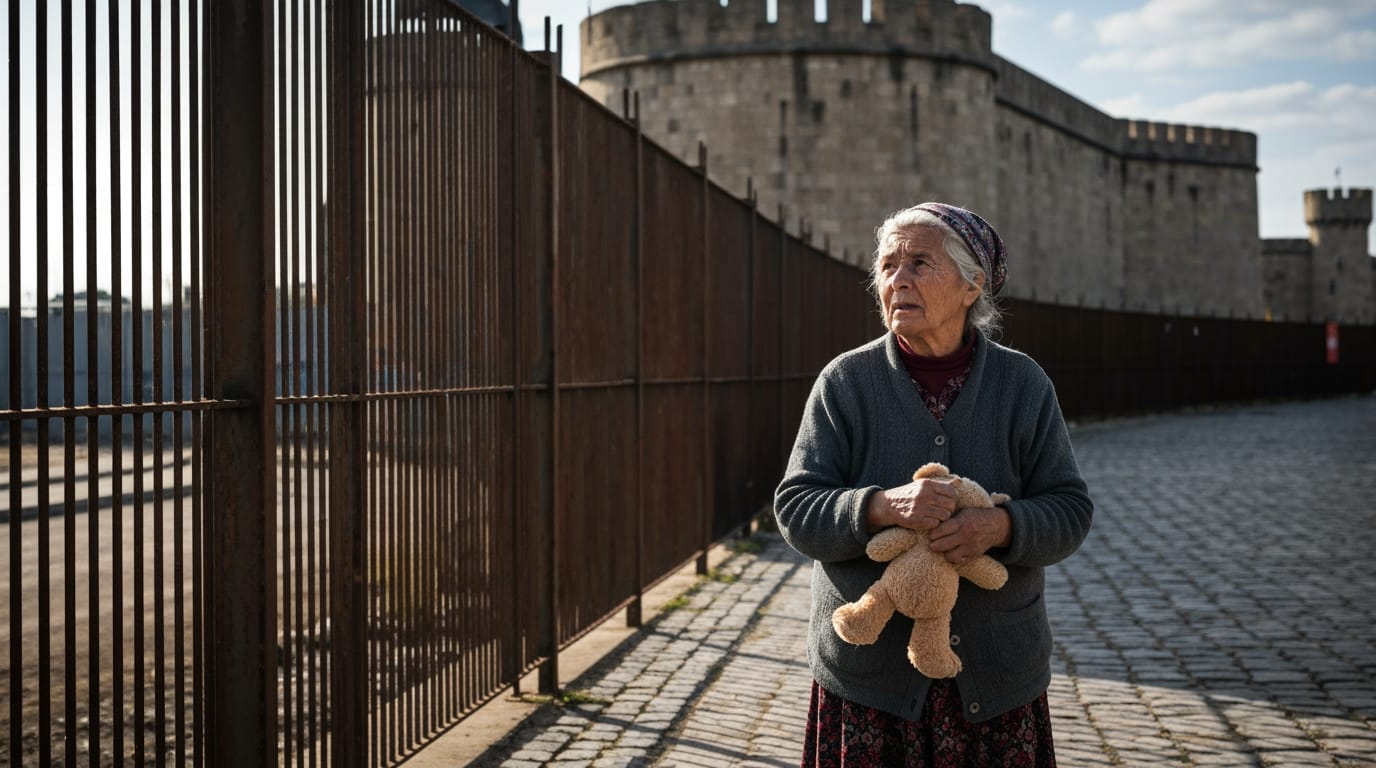
Europe is increasingly fortifying its borders and enacting stricter migration policies, signaling a profound shift in its approach to asylum seekers and migrants. This evolving stance, driven by a complex interplay of political, social, and economic factors, raises critical questions about humanitarian obligations, national sovereignty, and the future identity of the continent. The narrative emerging is one of a continent seeking greater control over its frontiers, a stark contrast to the more open-door policies that characterized the peak of the 2015 refugee crisis.
The Echoes of 2015: A Turning Point
The year 2015 stands as a pivotal moment in Europe's recent migration history. An estimated 1.3 million people sought asylum in the continent, primarily fleeing conflict and persecution in countries like Syria, Afghanistan, and Iraq. This unprecedented influx, the largest since World War II, overwhelmed existing asylum systems and sparked intense political debate across the European Union. While many European nations initially responded with humanitarian concern, the sheer scale of arrivals led to significant challenges in resource allocation, coordination, and social integration. The crisis had profound political consequences, leading to increased political polarization, a decline in public confidence in the European Union's ability to manage the situation, and a subsequent push for more restrictive asylum policies.
A Fortress Europe? The New Policy Landscape
In the years following the 2015 crisis, and particularly in recent times, the European Union has moved to implement comprehensive and increasingly stringent measures designed to manage and reduce irregular migration. The new EU Pact on Migration and Asylum, set to take full effect in June 2026, represents the culmination of these efforts, aiming to harmonize principles and measures across member states. This pact introduces a series of tough new rules, including tighter border controls, accelerated deportation processes, and expanded detention times for migrants. The EU is also enhancing its use of biometric data to track migrants across the bloc and establishing fast-track processing for asylum applicants originating from countries deemed "safe."
Further, the EU's strategy now includes a common approach to returns for individuals residing illegally in a Member State, proposing the creation of "return hubs" in non-EU countries. This, along with potential deportations to third nations, mirrors tactics employed by other global powers in an effort to deter arrivals. Leaders within the EU openly acknowledge this shift. Magnus Brunner, the European Commissioner for Migration, stated, "We are taking control of who can enter, who can stay and who must leave the European Union." Irregular crossings were reportedly down 40% in the first three months of 2026 compared to the same period a year earlier, following a 26% annual drop in 2025, which proponents attribute to these tightening national rules.
Shifting Statistics: Fewer Arrivals, More Scrutiny
Recent statistics from Eurostat illustrate a notable decline in asylum applications, though volumes remain substantial. In 2025, first-time asylum applicants from non-EU citizens in EU countries decreased by 26.6% compared to 2024, with a total of 669,365 applications. Spain recorded the highest number of first-time applicants in 2025 (141,035), followed by Italy (126,635), France (116,370), and Germany (113,170). The overall number of first-time asylum applicants in EU countries declined by 25.9% in the last quarter of 2025 compared to the same period in 2024.
Concurrently, the number of individuals granted protection status in the EU also saw a reduction. In 2025, EU countries granted protection status to 361,325 asylum seekers, a 17.5% decrease from 2024. Afghans, Venezuelans, Syrians, and Ukrainians were among the primary beneficiaries of protection in 2025. While these figures indicate a reduction in both applications and grants of protection, they also highlight the ongoing need for international protection and the continued flow of individuals seeking refuge in Europe.
The Human Cost and Humanitarian Concerns
The emphasis on deterrence and control has ignited significant concern among human rights organizations and humanitarian actors. Critics argue that Europe's increasingly restrictive policies lead to heightened risks, suffering, and fatalities for those attempting to reach safety. Médecins Sans Frontières (MSF), for instance, has highlighted the "medical and humanitarian harms" of these policies, pointing to violent conditions in detention centers, increased exploitation, and a lack of access to basic healthcare both within and beyond EU borders. Some humanitarian organizations have even ceased accepting funding from the EU, asserting that doing so would make them complicit in policies that create human rights violations.
The externalization of migration control, through agreements with countries like Turkey, Libya, and Tunisia, aims to prevent migrants from reaching European shores. However, this strategy has been criticized for potentially transferring the burden of refugee care to nations with fewer resources and inadequate legal protections, leading to human rights abuses. Human Rights Watch has unequivocally stated that European countries are "closing their doors" and engaging in "unlawful and illegal" practices that endanger asylum seekers.
Economic Realities and Integration Challenges
Beyond the immediate crisis management, the long-term economic and social integration of migrants presents another complex challenge for Europe. Studies indicate that while there are short-term costs associated with integrating refugees—such as language and professional training—these can be significantly outweighed by socio-economic and fiscal benefits in the medium to long term. Migrants can contribute to economic growth and do not necessarily lead to job losses for native workers. However, only about a quarter of EU residence permits currently facilitate employment and education-based migration, suggesting a missed opportunity for maximizing economic contributions.
The integration process itself is a "dynamic two-way process" involving refugees, governments, and society. Challenges persist, including limited access to the labor market for asylum seekers awaiting decisions, inadequate recognition of qualifications, and persistent xenophobia. The EU supports integration initiatives through mechanisms like the Asylum, Migration and Integration Fund (AMIF), but the effectiveness of these efforts varies widely across member states. The current EU approach to integration has been criticized as controversial, with an emphasis on selecting "socio-economically and culturally desirable" immigrants, potentially excluding vulnerable groups.
Conclusion: A Continent at a Crossroads
Europe's contemporary migration policies represent a significant pivot towards control and deterrence, driven by hardening public opinion and a desire to prevent a repeat of the 2015 influx. While proponents argue that these measures are necessary for security and orderly migration management, critics contend that they come at a severe human cost and undermine fundamental human rights. The implementation of the new EU Pact on Migration and Asylum underscores a determination to redefine who enters and remains within the Union's borders. As Europe navigates this complex landscape, the ongoing challenge will be to balance the imperative of border security and national interests with its foundational values of human dignity and international protection, shaping not only the lives of countless individuals but also the very identity of the European project itself.