Mozambique Grapples with Allegations of "Death Squads" Targeting Opposition Amidst Post-Election Turmoil
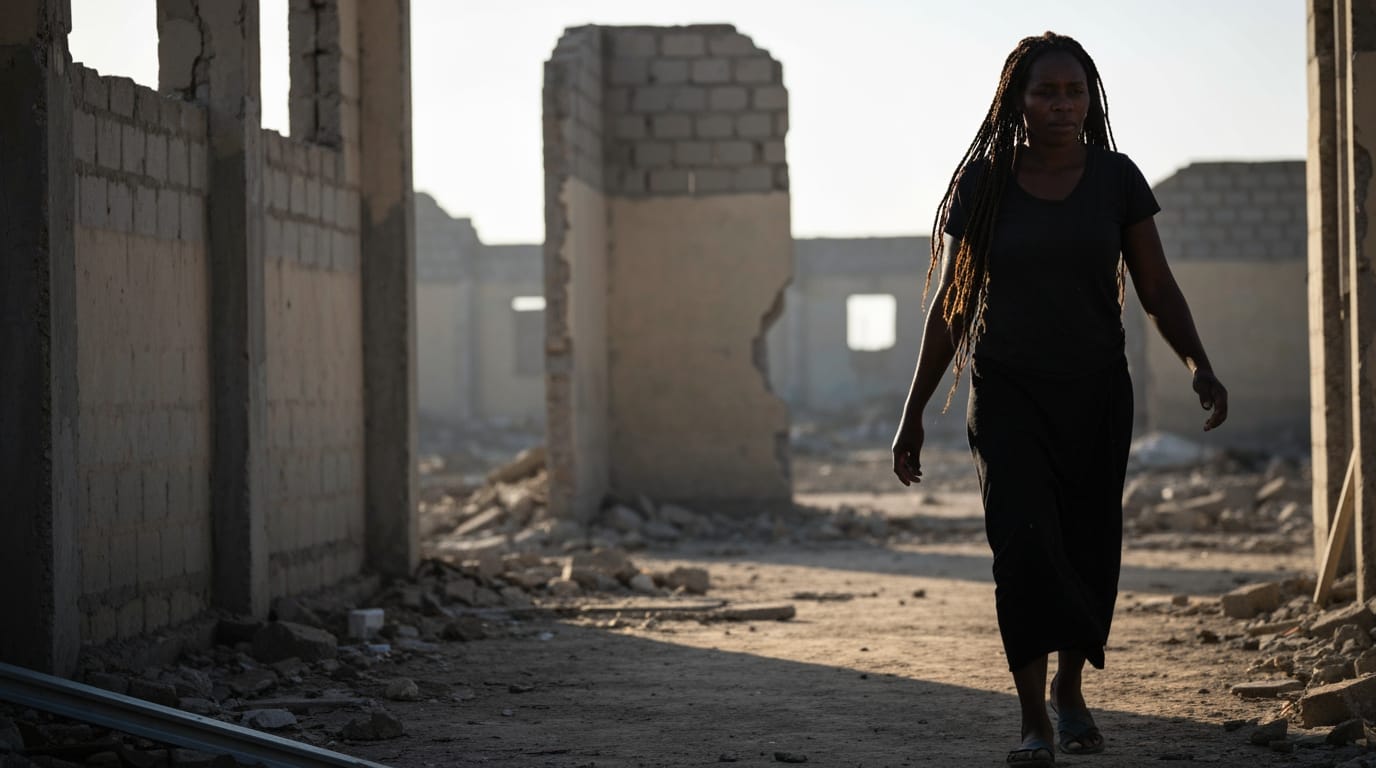
Mozambique is facing a deepening political crisis marked by widespread allegations of "death squads" targeting opposition figures and civil society activists following the contentious general elections in October 2024. The elections, which saw the ruling FRELIMO party declared victorious amidst claims of fraud, have ignited a wave of protests and a brutal crackdown by security forces, raising urgent concerns from international human rights organizations and the United Nations. The systematic nature of the attacks and the lack of accountability threaten to erode democratic foundations and plunge the nation into further instability.
Post-Election Violence and High-Profile Assassinations
The October 9, 2024, general elections in Mozambique were swiftly followed by widespread allegations of electoral irregularities and fraud, triggering mass protests across the country. The preliminary results, which awarded the long-ruling Front for the Liberation of Mozambique (FRELIMO) a sweeping victory, were contested by opposition parties and independent observers, including the European Union, which described the election as neither free nor fair. In response to these protests, security forces have been accused of using excessive and often lethal force against demonstrators. Human rights groups report that police and military units deployed live ammunition, rubber bullets, and tear gas against unarmed protesters, resulting in significant casualties. Estimates of fatalities during the post-election period vary, with some civil society organizations like Plataforma DECIDE documenting around 315 deaths between October 21, 2024, and January 16, 2025, and the Center for Democracy and Human Rights (CDD) confirming 348 civilian deaths between October 2024 and January 2025 in Maputo and Nampula provinces. Additionally, thousands have been injured, and over 4,000 individuals, including children, were arbitrarily detained.
Beyond the suppression of protests, a disturbing pattern of targeted assassinations and enforced disappearances of prominent opposition figures and their associates has emerged. On October 18, 2024, Elvino Dias, a lawyer and advisor to independent presidential candidate Venâncio Mondlane, and Paulo Guambe, a senior official of the PODEMOS opposition party, were fatally shot in Maputo by unidentified gunmen. Their deaths, widely viewed as politically motivated, occurred as they were preparing to challenge the election results. More recently, in May 2026, Pedro João Chaúque, a member of the opposition National Alliance for a Free and Autonomous Mozambique (Anamola), was killed in Gaza province, just weeks after another Anamola coordinator, Anselmo Vicente, was shot dead in Manica province. Furthermore, journalist Arlindo Chissale, a supporter of Mondlane, has been missing since January 2025, with witnesses alleging he was taken by suspected security forces. These incidents highlight a grave escalation of violence against political opponents and critics of the state.
A Troubling History of Covert Operations
The recent wave of political violence and alleged assassinations has brought renewed attention to the long-standing accusations of "death squads" operating within Mozambique. Human rights groups suggest these groups function under the shadow of the state's security apparatus, systemically targeting individuals perceived as threats to the ruling establishment. Historically, such units have been used to intimidate and silence dissent across various administrations, dating back decades. These operations often occur discreetly, with victims abducted from their homes at night, murdered, and their bodies sometimes disposed of in remote areas or latrines, leading to disappearances. Provinces such as Zambezia, Nampula, Sofala, Manica, and Cabo Delgado are reported to be areas where these groups operate, with a particular focus on eliminating young people accused of organizing protests and targeting opposition members in rural areas.
The existence of such clandestine units points to a troubling continuity in Mozambican politics, where certain opponents are reportedly treated not as democratic rivals but as "enemies of the state" to be neutralized. This perception is reinforced by the persistent impunity surrounding politically sensitive killings and attempted killings over the years, leaving behind only speculation and competing narratives when official investigations yield no arrests or public updates.
Impunity and International Condemnation
A significant concern articulated by numerous international bodies and human rights organizations is the pervasive impunity for human rights abuses in Mozambique. Despite credible reports of arbitrary killings, disappearances, torture, and unlawful detentions, the Mozambican authorities have largely failed to conduct thorough, independent, and impartial investigations. This lack of accountability sends a "chilling message" that those responsible for such acts, particularly within state security forces, will not be brought to justice.
The international community has responded with growing alarm. The United Nations Commissioner for Human Rights has urged Mozambican authorities to investigate all instances of unlawful killings and ensure a safe environment for political participation. Human Rights Watch has criticized the failure of police to credibly investigate the killings of opposition members, emphasizing the need for prompt and effective prosecutions. Amnesty International has also called for independent investigations into the killings of opposition figures, stressing that all suspected perpetrators must face fair trials. The Southern African Development Community (SADC) has expressed concern over Mozambique's post-election violence and underscored the importance of ensuring peace and stability. These calls highlight a global consensus on the urgent need for justice and a break from the cycle of unpunished violence.
Undermining Democracy and Stability
The alleged activities of "death squads" and the broader pattern of state-sponsored repression have profound implications for Mozambique's democratic future and overall stability. The violent suppression of peaceful assembly, coupled with targeted killings, directly undermines fundamental human rights, including freedom of expression and political participation. Civil society organizations in Mozambique, once vibrant, now face increasing challenges and are sometimes labeled as "agents of foreign interests" for their advocacy work. Journalists reporting on the election and post-election protests have also faced intimidation, harassment, and unjustified arrests. Furthermore, restrictions on internet access and social media applications have been used to silence dissent and control information flow, effectively making the crisis "invisible" to some.
This environment of fear and repression risks further radicalizing the population and exacerbating political tensions, potentially leading to an escalating spiral of violence. If the government continues to use fatal force to crush protests and fails to address electoral irregularities and human rights abuses, public trust will further erode, threatening the rule of law and democratic freedoms. Without transparent investigations, accountability for abuses, and inclusive dialogue, Mozambique's path toward lasting peace and a robust democracy remains highly precarious.
Conclusion
The allegations of "death squads" targeting opposition figures and the extensive human rights abuses documented in Mozambique following the October 2024 elections paint a grim picture of a nation at a crossroads. The violence, coupled with a pervasive culture of impunity, has cast a long shadow over the country's democratic aspirations. International calls for immediate and impartial investigations underscore the urgency of the situation, highlighting that justice and accountability are paramount for any hope of reconciliation and stability. The Mozambican government's response to these grave allegations will be a critical determinant of whether the country can steer away from a deepening crisis and toward a future where human rights are respected, and political dissent is managed through democratic means rather than violence.


