Exiled Iranian Women in Germany: A Roaring Rage for Freedom
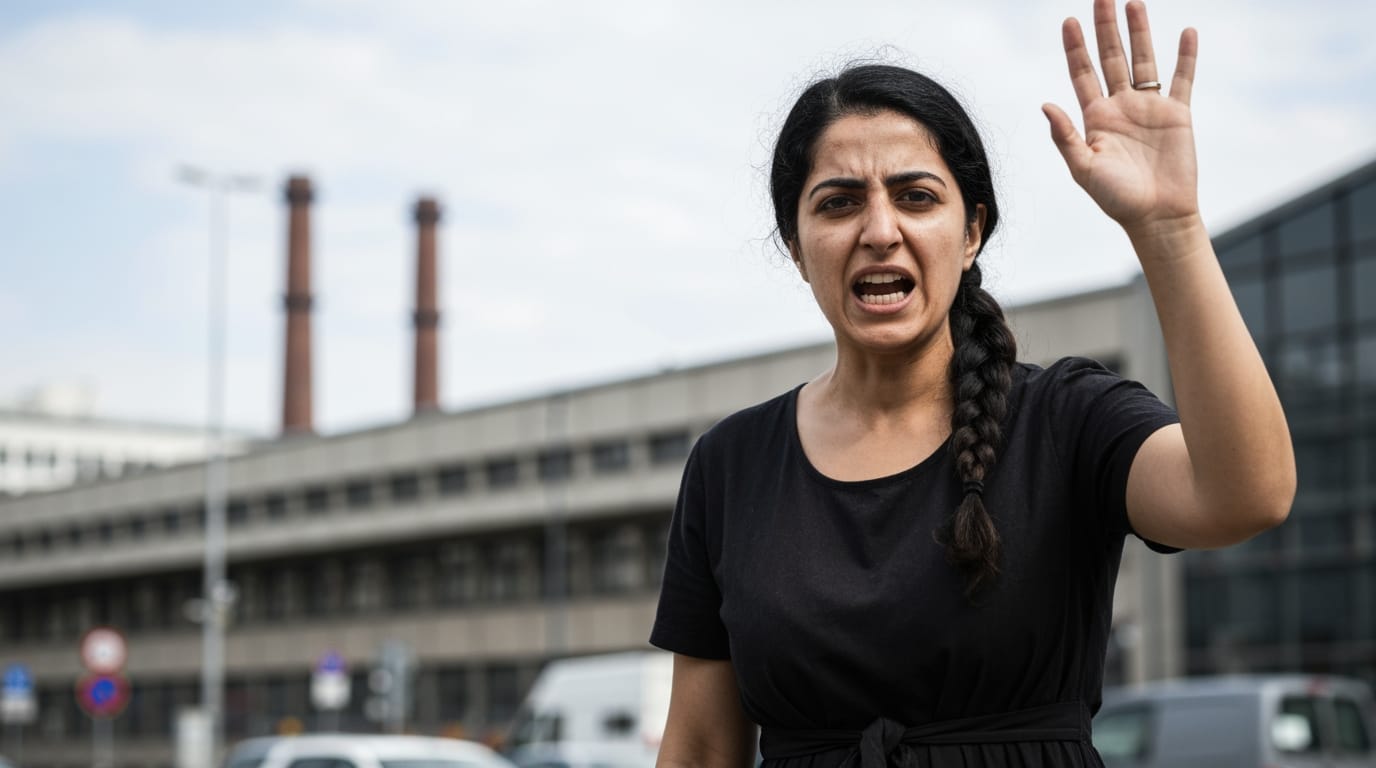
BERLIN – From the bustling streets of Berlin to quiet corners across Germany, a powerful and unyielding force is gathering momentum: Iranian women in exile, whose profound anger at the regime in their homeland has transformed into a potent call for change. Far from being silenced by displacement, these women are leveraging their newfound freedom to amplify the voices of those oppressed, turning their grief and desperation into a collective and defiant roar against the Islamic Republic. Their struggle, deeply personal yet globally significant, embodies the enduring spirit of the "Woman, Life, Freedom" movement, striving for a future where fundamental human rights are not a privilege but a universal reality.
The Unbearable Weight of Witnessing
The decision to leave one's homeland, often under duress, carries an indelible weight. For Iranian women in Germany, this weight is compounded by the constant specter of the human rights abuses perpetrated by the regime they escaped. The Islamic Republic has systematically curtailed basic freedoms for over four decades, with severe gender inequality, strict dress codes, and widespread suppression of dissent defining daily life. The death of Mahsa Amini in 2022, following her detention by the morality police for allegedly improperly wearing her headscarf, ignited a spark that rapidly engulfed Iran in widespread protests and resonated deeply within the diaspora.
Exiled women frequently grapple with a harrowing dichotomy: the relative peace of their lives in Germany juxtaposed against the brutal crackdowns and violence unfolding in Iran. Many remain glued to their phones, meticulously tracking developments, sifting through social media for updates on family and friends, particularly during internet blackouts imposed by the Iranian government. This constant vigil, fueled by love and fear, exacts a heavy emotional toll. The anger they express is not merely a fleeting emotion but a deep-seated conviction born from witnessing systematic injustice, torture, arbitrary detentions, and even executions targeting peaceful protesters. For many, the option of "switching off" is unthinkable as they anxiously await news from their families.
Germany: A New Frontline for Advocacy
Germany, home to one of Europe's largest Iranian exile communities with over 300,000 individuals, has become a pivotal hub for this international resistance. Women have assumed prominent roles in organizing and leading protests across German cities, particularly in Berlin. These demonstrations are not merely symbolic gestures; they are strategic efforts to maintain international focus on Iran's human rights crisis and to pressure global leaders to act.
The "Woman, Life, Freedom" movement has profoundly galvanized the diaspora, transforming individual grievances into a unified, global cause. From the streets to digital platforms, Iranian women in Germany are engaged in multifaceted activism. They participate in almost daily rallies, often holding banners and chanting slogans that echo the demands for freedom and an end to theocratic rule. Beyond traditional protests, digital activism plays a critical role. Social media channels are vital for disseminating information, sharing footage of events inside Iran, and circumventing the regime's censorship efforts. This blend of online and offline engagement ensures that the struggle for human rights in Iran remains visible on the global stage. Powerful symbolic acts of resistance, such as burning images of Iran's Supreme Leader or women cutting their hair and burning headscarves, resonate both within the diaspora and internationally, serving as stark visual condemnations of the regime. For some Iranian feminist activists, exile itself has evolved into a conscious political decision, a form of "willful self-exile" where physical separation transforms into empowering political resistance and a reclaiming of bodily autonomy.
The Long Shadow of Transnational Repression
Even in exile, the reach of the Iranian regime casts a long and menacing shadow. Iranian dissidents in Germany, particularly those actively involved in opposition movements, face pervasive threats of transnational repression. The regime employs various tactics to silence critics abroad, including harassing and detaining family members still in Iran to pressure exiles into ceasing their activism. Cyberattacks targeting social media accounts and emails are common, impacting journalists and human rights activists. There have also been reports of physical surveillance and even assaults against opposition figures in Europe, underscoring the severe risks involved in their advocacy.
Despite these formidable dangers, the resolve of exiled Iranian women remains unshaken. They navigate the complexities of life in a new country while simultaneously battling a powerful, oppressive regime from afar. The community provides crucial support, with spaces like Persian cafes in Berlin offering solace where exiles can share their grief, anxieties, and hopes, finding strength in their shared experiences.
A Sisterhood Forged in Shared Purpose
The journey of Iranian women in Germany is not solitary. It is a testament to the power of community and solidarity. Amidst the fear and trauma, a powerful sisterhood has emerged, uniting women from diverse backgrounds and with varying political viewpoints under a common goal: a free and democratic Iran. While there may be differing ideas about the specific future governance of Iran, with some supporting a return to a Pahlavi monarchy and others advocating for a different path, the overarching aspiration for human rights and an end to the current regime unites them.
These women represent not only their own aspirations but also the suppressed hopes of millions within Iran. They channel their "rage" not into despair, but into a relentless determination to be the voice for those who cannot speak, to bear witness for those who have been silenced, and to demand justice for countless victims.
An Enduring Hope for Tomorrow
The journey of exiled Iranian women in Germany is a powerful narrative of resilience, resistance, and an unwavering commitment to justice. Their "rage" is a righteous indignation against decades of oppression, a burning fire that fuels their activism and compels them to continue their fight from thousands of miles away. They envision an Iran where women can live freely, express themselves without fear, and participate fully in society without systemic discrimination. Their collective efforts, spanning protests, digital campaigns, and community building, serve as a vital lifeline for the movement within Iran and a constant reminder to the international community that the struggle for human rights there is far from over. Their voices, once suppressed, now resonate globally, carrying the hopes of a nation yearning for freedom and a future forged in dignity.


